
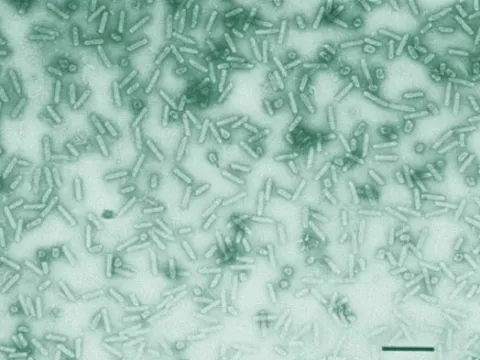
Cacao swollen-shoot virus
Cacao swollen-shoot
Cacao swollen-shoot virus (CSSV) is a plant-pathogenic virus of the genus Badnavirus. It primarily infects cocoa trees (Theobroma cacao) and is a major threat to the global chocolate industry, especially in West Africa.
What the section contains
Cacao swollen-shoot virus
The virus consists of bacilliform particles containing double-stranded DNA. It relies entirely on insect vectors for transmission, specifically several species of mealybugs from the family Pseudococcidae.
There is no evidence that the virus spreads via soil, water, or tools under normal farming conditions. Its cycle is strictly dependent on the interaction between the mealybug and the host tree.
Many forest trees in the vicinity of cocoa farms act as natural reservoirs for the virus, allowing it to persist in the ecosystem even when cultivated trees are replaced.
Scientists have identified various strains of CSSV that differ in their ability to cause symptoms, which makes the development of universal control measures extremely challenging.
The virus causes systemic infections in cocoa trees. Once infected, the tree suffers from metabolic disturbances that result in severe stunting and eventual tree mortality.
The yield of infected trees drops significantly due to the reduction in the number and quality of cocoa pods produced, often leading to a total loss of productivity.
The disease spreads in patches throughout the plantation. As mealybugs migrate between adjacent trees, the infection zones expand over time, potentially consuming entire farms.
The long latent phase allows the virus to spread silently for a long period, making it difficult for farmers to realize their trees are infected until physical symptoms appear.
This pathogen has caused the destruction of millions of cocoa trees, significantly impacting the livelihoods of smallholder farmers across major cocoa-producing countries.
The most iconic symptom is the presence of swellings or tumors on the branches and stems. These occur as the plant's vascular tissues respond abnormally to the viral infection.
Leaves exhibit characteristic mosaic patterns, chlorosis, and crinkling. Affected leaves are typically smaller and show distinct discoloration compared to the healthy foliage.
Cocoa pods often show irregular shapes, altered surface textures, and a reduction in size, significantly affecting the overall quality and commercial value of the crop.
As the disease progresses, the tree canopy begins to die back, and the overall vigor of the plant declines until it can no longer survive the environmental stress.
- Swellings on stems and branches.
- Leaf mosaic and discoloration.
- Deformed and stunted pod growth.
- Progressive dieback of the tree crown.
The primary control strategy is the sanitation program, which involves cutting down and destroying symptomatic trees to prevent the virus from spreading to healthy neighbors.
Developing and deploying resistant or tolerant cocoa varieties is currently the most promising long-term solution for managing the impact of the swollen-shoot disease.
Management of the mealybug population is critical, though difficult, as these insects are often tended by ants that protect them from predators and pesticides.
Quarantine measures are strictly enforced in some regions to stop the movement of infected plant material into disease-free areas, protecting the sustainable future of farms.
Ongoing monitoring and regular inspection of plantations are essential to identify early outbreaks and implement containment measures before the virus spreads widely.