
Byssochlamys fulva
Byssochlamys fulva
Description
How to identify
Byssochlamys fulva is an ascomycete fungus belonging to the Trichocomaceae family. It is recognized as a significant thermophilic pathogen because its ascospores can survive standard pasteurization processes used in the food industry.
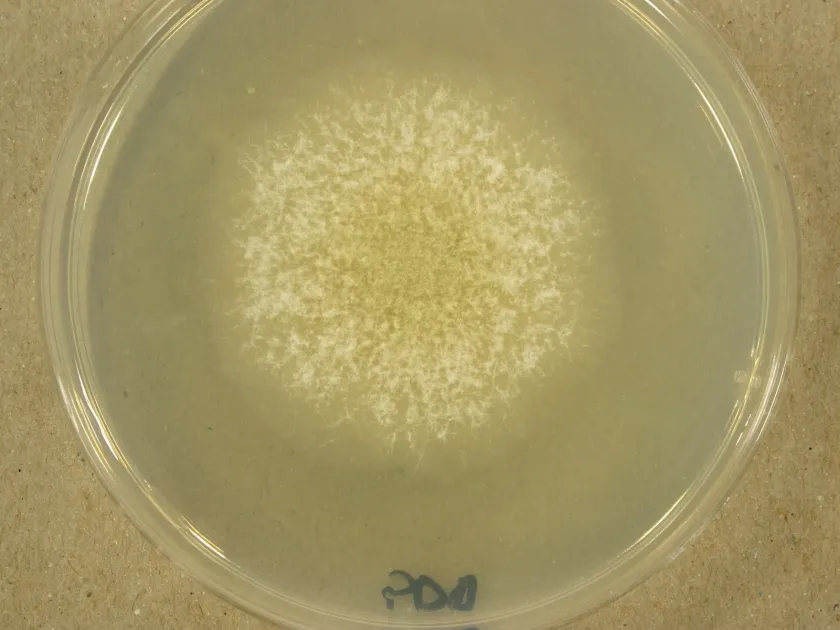
The fungus is the anamorph of Paecilomyces fulvus. Morphologically, it forms yellowish or brown colonies during sporulation, consisting of dense mycelium. It is widely distributed in nature, commonly inhabiting soil and decaying plant debris.
The species is defined by its metabolic versatility. It produces several extracellular enzymes, including pectinases, which are responsible for the degradation of plant cell walls. Its classification within the Ascomycota highlights its complex sexual reproduction cycle.
A distinctive feature of B. fulva is its high resilience to environmental stressors. Unlike many common molds, it can grow in low-oxygen conditions, which allows it to thrive inside sealed food containers or processed fruit products.
Laboratory identification relies on culture assays at elevated temperatures (above 30°C). Such conditions typically suppress the growth of common environmental fungi, allowing B. fulva to be isolated and identified with high precision.
What it damages
The damage caused by Byssochlamys fulva is primarily observed in fruit and vegetable crops and their processed derivatives. It attacks a broad range of hosts, including strawberries, raspberries, apples, pears, and stone fruits.
In the canning and processing industry, the fungus is notorious for causing spoilage in jams, purees, and fruit juices. Because the spores survive heat treatments, the fungus resumes growth during storage, leading to product fermentation and structural collapse.
The fungus secretes mycotoxins, most notably patulin and byssotoxin. These metabolites not only alter the taste and texture of the food but also pose potential health risks to consumers if ingested, leading to strict regulatory standards for fruit quality.
In the field, the pathogen causes soft rot on ripening fruits. The infection spreads rapidly under warm and humid conditions, leading to significant yield losses before the harvest even reaches the processing stage.
Structural damage is characterized by the softening of plant tissues due to the enzymatic breakdown of pectic compounds. This makes the fruits highly susceptible to secondary infections by other opportunistic pathogens.
When it appears
The fungus is most active during the summer and early autumn when ambient temperatures and humidity are optimal for fungal metabolism. This period corresponds directly with the fruit ripening phase, making the crop highly vulnerable.
In storage facilities, the pathogen remains active throughout the year if the cooling system fails. Even at moderate temperatures, the fungus continues to grow slowly, which is why strict climate control is essential for stored products.
The primary inoculum cycle starts in the soil. Rain splashes and wind currents carry the spores from the ground onto the developing fruits. This cyclical transmission ensures a persistent infection pressure in agricultural environments.
For processed products, the "season" for symptom emergence is usually 2 to 6 weeks after packaging. This latency period represents the time required for dormant ascospores to germinate after surviving the pasteurization process.
Monitoring efforts should be intensified during the final weeks before harvest to identify potential hotspots of infection in the orchard and to prevent contaminated fruits from entering the supply chain.
Signs of infestation
Field symptoms start as small, water-soaked spots on the fruit surface. These spots enlarge rapidly, eventually developing a characteristic brownish or yellowish powdery layer of spores on the fruit's epidermis.
Inside sealed products, the signs of contamination include the appearance of dense, mat-like fungal mycelium on the surface or throughout the matrix. This often causes the liquid to become turbid or discolored.
A common sensory indicator is the development of an off-flavor, specifically a sharp or acidic "fermented" odor when a container is opened. This indicates that the fungus has degraded the sugars and structural compounds of the fruit.
The texture of the product often loses its uniformity, turning mushy or granular. In juices, a visible layer of mycelium may float on top or sink to the bottom, signaling a complete loss of quality.
- Water-soaked, expanding soft rot lesions.
- Yellowish-brown powdery sporulation on fruit skins.
- Turbidity and off-color in fruit juices.
- Fermented, acidic smell in processed goods.
- Presence of dense mycelial mats in containers.
Control measures
Effective management begins with orchard sanitation. Removing fallen fruit and clearing plant debris is critical to reducing the population of spores in the soil, which serves as the primary reservoir for the pathogen.
In processing facilities, rigorous quality control and sorting are essential. Only healthy, unblemished fruit should be processed to minimize the initial spore load that enters the thermal treatment line.
Thermal control should be optimized. Combining pasteurization temperatures with pH management (acidification) significantly increases the mortality rate of B. fulva ascospores, preventing post-processing spoilage.
Fungicide applications during the pre-harvest interval can help protect the fruit from initial infection. Proper timing based on regional weather patterns is key to successful disease mitigation.
Maintaining a cold chain is vital for both fresh produce and processed goods. Keeping products at low temperatures inhibits the metabolic activity of the fungus, extending shelf life and preventing the development of late-stage spoilage.
Causes diseases · 1
Discussion
No discussions yet — be the first.