
Septoria leaf spot of blueberry
Blueberry leaf
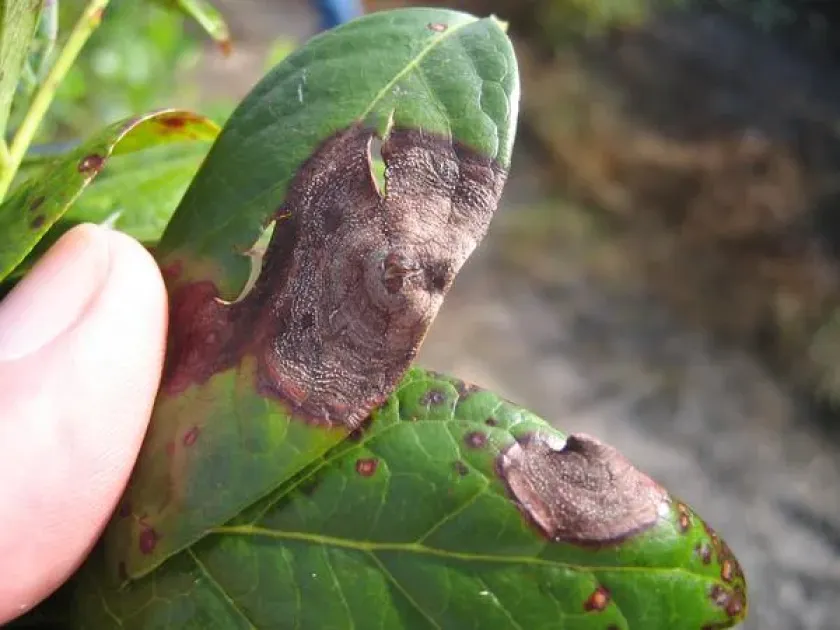
Description
How to identify
Septoria leaf spot is a common fungal disease caused by the pathogen Septoria albopunctata. This fungus belongs to the Ascomycetes class and specifically targets highbush blueberry and related species.
The fungus overwinters in the debris of fallen leaves within the soil, utilizing microscopic structures called pycnidia to survive harsh weather conditions until spring.
As temperatures rise and humidity increases, the pathogen releases spores that are spread by rain splashes and wind currents onto the new, succulent leaves of the bushes.
Infection is favored by temperatures ranging from 18°C to 25°C combined with frequent rain or high humidity, which facilitates the germination of fungal spores.
A lack of proper air circulation within the shrub canopy creates a microclimate conducive to the rapid spread of the disease across the entire plantation.
What it damages
The primary impact of the disease is the loss of photosynthetic leaf area, which weakens the plant significantly during the peak of the growing season.
Severe infections lead to premature defoliation, which causes the blueberry bushes to enter dormancy in a weakened state, increasing susceptibility to winter injury.
Plants affected by Septoria leaf spot show reduced flower bud formation, which directly impacts the potential fruit yield for the following year.
In commercial settings, the aesthetic damage to the leaves and potential decline in berry quality can lead to significant economic losses for growers.
Repeated yearly infections can lead to the long-term decline of the plant, reducing its lifespan and overall vigor in the orchard.
Signs of infestation
Infection initially presents as small, circular spots on the leaves, which are typically grayish-white or tan in color, encircled by a dark, reddish-brown margin.
A diagnostic sign of this fungus is the presence of tiny, black, pimple-like structures in the center of the lesions, known as pycnidia, which produce conidia.
As the disease progresses, these spots can coalesce, leading to larger necrotic patches on the leaves, causing the leaf tissue to die and curl.
The leaves eventually turn yellow and drop prematurely, often starting from the bottom of the shrub and moving upwards as the season continues.
- Circular lesions with distinct dark borders.
- Small black spots (pycnidia) appearing within the lesions.
- Premature yellowing of foliage.
- Early leaf drop occurring during the summer.
Control measures
Sanitation is the most effective management strategy; removing and destroying all fallen leaves during late autumn reduces the primary inoculum for the next year.
Pruning is essential to improve airflow throughout the bush, which helps keep the foliage dry and makes it harder for fungal spores to germinate successfully.
Copper-based fungicide applications in early spring, just as the buds begin to swell, can provide a protective barrier against initial infections.
During the growing season, if symptoms are detected, the use of registered systemic fungicides is recommended to curb the spread of the fungus.
Integrated Pest Management (IPM) practices, including regular monitoring and balanced fertilization, are necessary to keep the blueberry bushes resilient against infection.
Causes diseases · 1
Discussion
No discussions yet — be the first.