
Description
Symptoms
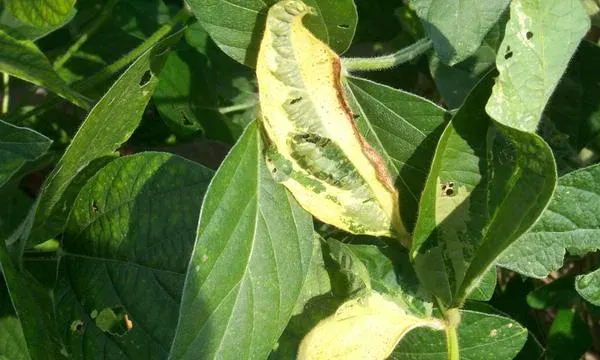
The primary symptom is the development of localized necrotic lesions on the leaves. These spots vary in shape, size, and color—often appearing tan, brown, black, or reddish—frequently bordered by a dark halo that distinguishes diseased tissue from healthy tissue.
Tiny, dark fruiting bodies, known as pycnidia, often emerge in the centers of these spots. These structures serve as the repository for fungal spores, appearing as small dots under magnification and indicating an active stage of the pathogen’s life cycle.
In the case of cotton, spots can appear not only on leaves but also on bolls as sunken lesions, which can lead to decay or reduced fiber development. Cranberry leaves develop characteristic discolored patches that may result in premature abscission, leaving the canes exposed.
As the disease progresses, individual spots may coalesce to form larger blighted areas. This tissue death reduces the effective surface area for photosynthesis, causing the plant to weaken and exhibit symptoms of general stress.
Under conditions of high relative humidity, a fine, fuzzy layer of fungal mycelium may be visible on the surface of the lesions. This represents the sporulation phase, where the pathogen is actively producing new spores to infect neighboring leaves.
Pathogen
Leaf spot is a collective term for various plant diseases caused primarily by fungal pathogens, including species from the genera Septoria, Cercospora, Phyllosticta, and Ramularia. These pathogens can infect leaves, stems, and fruits, depending on the host plant and environmental conditions.
The fungi typically overwinter in plant debris, infested seeds, or the soil, surviving as mycelium, pycnidia, or spores. When favorable conditions return, these propagules are disseminated by wind, rain splashes, or insects to new, susceptible plant tissues.
This disease affects a broad range of agricultural crops and berries. Cotton is particularly vulnerable, often suffering from spot infections that degrade fiber quality. Cranberry plants also frequently experience leaf spot, which can significantly reduce photosynthetic efficiency and overall yield.
The disease cycle begins with primary infection in early spring. The fungus penetrates the leaf epidermis through natural openings, such as stomata, or through wounds, subsequently establishing a feeding relationship with the plant cells.
Secondary infections often follow, driven by successive generations of spores produced in fungal structures on the leaf surface. This iterative process allows the pathogen to spread rapidly throughout a field during the growing season.
Conditions for development
Leaf spot diseases thrive in high-humidity environments, especially during periods of frequent rainfall. The presence of free water on leaf surfaces is essential for spore germination and the subsequent infection of host tissues.
Optimal temperatures for most leaf spot pathogens range from 18°C to 25°C. Within this range, the incubation period is minimized, allowing the disease to accelerate and reach epidemic proportions if environmental conditions remain favorable for an extended time.
Dense plant canopies restrict airflow, leading to high localized humidity and prolonged periods of leaf wetness. This microclimate is highly conducive to the rapid spread of fungal spores in both row crops like cotton and plantation-grown crops like cranberry.
Nutrient management significantly influences disease susceptibility. Excessive nitrogen promotes lush, soft growth that is more prone to penetration, whereas adequate potassium levels contribute to stronger cell walls and better natural defense mechanisms in the plant.
The presence of overwintering inoculum in crop residues is the primary driver of early-season infection. Fields with poor sanitation or minimal crop rotation are at a much higher risk of experiencing early and severe disease outbreaks.
Why it matters
The economic impact of leaf spot is primarily due to the reduction of the leaf surface area available for photosynthesis. This leads to a decline in plant vigor, reduced carbohydrate synthesis, and ultimately a significant loss in yield and quality.
Early-season infections can stunt plant growth and, in severe cases, cause seedling death. Weakened plants are also more susceptible to environmental stressors, such as drought, frost, or secondary pest infestations.
In cotton, the damage to bolls directly lowers the quality and grade of the harvested fiber, leading to lower market prices. In cranberries, the disease can cause seasonal defoliation, which impairs the plant's ability to store reserves for the following year’s crop.
Persistent infection leads to premature senescence, making the crops less hardy and more expensive to manage. Growers often face higher costs due to the necessity of multiple fungicide applications to keep the disease at bay.
If left unmanaged, the cumulative effects of these diseases can lead to total crop failure or the premature abandonment of a plantation, representing substantial financial loss to the grower.
Protection
Effective management begins with cultural practices. Implementing a strict crop rotation cycle and ensuring the thorough removal or deep incorporation of crop debris are critical to reducing the primary inoculum source.
Choosing resistant or tolerant cultivars is the most sustainable strategy for disease mitigation. Furthermore, utilizing high-quality, certified seeds or plants helps ensure the crop begins the season free of pathogenic fungi.
Chemical control involving systemic or contact fungicides is often necessary. These should be applied preventatively or upon the initial detection of symptoms to halt the spread of the pathogen before it becomes widespread.
Improving field sanitation and optimizing plant spacing are vital techniques. Enhancing airflow through canopy management reduces the duration of leaf wetness, effectively limiting the window of opportunity for fungal infection.
- Rotate crops every 3 years to break the pathogen life cycle.
- Maintain balanced fertilization with sufficient potassium.
- Remove and destroy infected plant debris promptly.
- Use professional-grade systemic fungicides as directed.
Pathogens and affected parts
Affects crops · 2
Discussion
No discussions yet — be the first.