
Blackgram mottle virus
Blackgram mottle
Description
How to identify
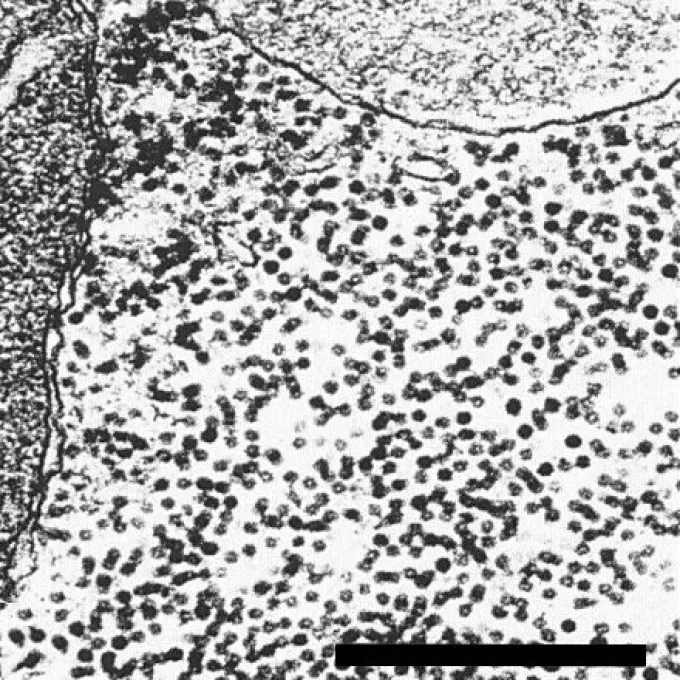
Blackgram mottle virus (BGMV) is a plant virus belonging to the genus Sobemovirus. It is characterized as a small, isometric virus containing single-stranded RNA, known for its ability to persist in agricultural environments.
The virus is transmitted through several pathways, including mechanical transmission, infected seed stocks, and via beetle vectors (order Coleoptera). Its stable nature allows it to survive in both seeds and infected plant debris between growing seasons.
What it damages
The primary hosts for this virus are legumes, specifically black gram (Vigna mungo), mung bean (Vigna radiata), and soybean. It causes significant physiological stress to these plants, often leading to stunted growth.
Besides agricultural crops, various wild leguminous species serve as host plants, maintaining the virus in the field environment. This biological reservoir complicates long-term management strategies for leguminous crop rotations.
When it appears
Disease outbreaks typically coincide with favorable environmental conditions that support the population growth of beetle vectors. Warm and humid conditions generally increase the frequency of transmission throughout the crop cycle.
The epidemiological cycle starts with primary infection from contaminated seeds. Secondary spread is primarily driven by the migration of insect vectors feeding on healthy plants adjacent to initial infection sites.
Signs of infestation
The most prominent symptoms include a mosaic pattern on the leaves, featuring mottled patches of light and dark green. Leaves may show crinkling or distortion, which significantly impairs the plant's photosynthetic efficiency.
Infected plants exhibit reduced vigor and premature senescence. The yield impact is marked by a substantial reduction in pod number and the development of shriveled seeds, which are often poor in quality and carry the virus to the next generation.
Control measures
The most effective strategy for controlling BGMV is the use of high-quality, virus-free seeds. Ensuring clean planting stock is the primary defense against the introduction of the virus into new fields.
Vector management involves the timely application of insecticides to control beetle populations, thereby limiting the rate of secondary spread. Additionally, sanitation practices, such as removing wild host plants and infected crop debris, are essential for maintaining field hygiene.
Causes diseases · 1
Discussion
No discussions yet — be the first.