
Burkholderia gladioli
Burkholderia gladioli
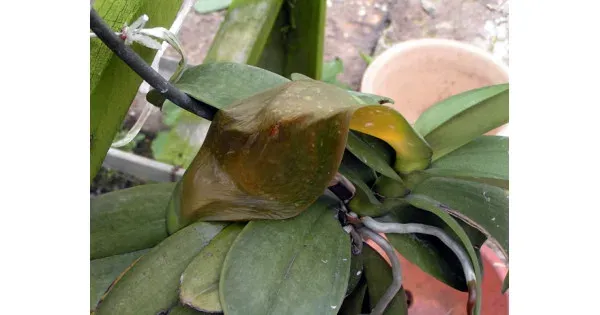
Description
How to identify
Burkholderia gladioli is a Gram-negative, motile, aerobic bacterium belonging to the family Burkholderiaceae. It is a significant phytopathogen known to cause various forms of bacterial rot and necrosis across diverse plant species.
Taxonomically, it falls under the domain Bacteria and the phylum Pseudomonadota. The species is highly adaptable, capable of surviving in various environments, including the rhizosphere and decomposing plant tissues.
This pathogen utilizes a suite of extracellular enzymes that degrade plant cell walls, facilitating tissue colonization. It is particularly noted for its ability to form biofilms, which protect the bacteria from environmental stressors and antimicrobial treatments.
Dissemination commonly occurs through contaminated planting stock, infested soil, and agricultural tools. Water splash and irrigation are also primary vectors for the spread of the bacterium within a field or nursery setting.
Identification typically requires laboratory culture on selective media or molecular techniques like PCR for confirmation. Visual diagnosis in the field is often challenging as symptoms frequently overlap with those of other soft-rot pathogens.
What it damages
The pathogen is well-known for causing corm rot in bulbous ornamental plants such as gladiolus, irises, and lilies. In these crops, it specifically targets the basal plate, leading to complete plant collapse and death.
Vegetable crops are also heavily impacted, particularly onions and garlic, where the bacterium causes bacterial bulb rot. This infection can manifest during the growing season or remain latent until it causes losses during storage.
In the mushroom industry, Burkholderia gladioli is a major threat, causing bacterial spotting on the fruit bodies of mushrooms. This leads to substantial economic losses and degrades the quality of the harvested produce.
The overall economic impact is characterized by reduced crop yields, poor plant stand establishment, and significant post-harvest losses. Infected produce often becomes unmarketable due to the rapid progression of soft rot.
Because of its polyphagous nature, it affects a wide range of botanical families, making it a difficult pathogen to eradicate once it has become established in an area or on a farm.
When it appears
The development of the disease is favored by high humidity and moderate to warm temperatures. Optimal growth for the bacterium typically occurs between +20°C and +30°C.
Primary infections often occur early in the growing season, especially if the soil is overly saturated. During the growing period, heavy rains and overhead irrigation facilitate the spread of bacteria to susceptible plant parts.
Outbreaks are most intense during periods of active plant growth when foliage is dense and provides a favorable microclimate for bacterial colonization. Prolonged leaf wetness is a major factor in infection severity.
Post-harvest, the disease continues to progress rapidly in storage facilities if temperatures and humidity levels are not properly controlled. Condensation on bulbs or produce is a primary trigger for rapid decay.
The pathogen survives the winter in infested plant debris and dormant bulbs, ensuring that the inoculum remains present to trigger the cycle in the following season.
Signs of infestation
In gladiolus and other bulbs, symptoms typically begin as brown or black depressed lesions on the basal plate. As the disease advances, the tissue turns into a soft, mushy, and often foul-smelling mass.
In onions, the disease appears as internal scale rot, where the tissues become water-soaked and yellowish. If the bulb is cut open, distinct necrotic streaks or patches are visible within the fleshy scales.
Foliar symptoms include yellowing and premature tip dieback, eventually leading to plant wilting. The overall vigor of the plant is significantly reduced as the root system and bulb deteriorate.
In mushrooms, the signs are observed as small, brownish, slightly sunken spots on the caps. Under humid conditions, these spots coalesce rapidly, rendering the mushrooms soft and slimy.
- Water-soaked lesions on bulbs;
- Foul odor associated with rotting tissue;
- Yellowing and wilting of leaves;
- Deterioration of the basal plate;
- Reduced plant height and growth vigor.
Control measures
The primary control measure is the use of pathogen-free, certified planting material. It is crucial to source bulbs from reputable suppliers to ensure the absence of bacterial inoculum.
Implementing a robust crop rotation scheme is essential for long-term management. Avoiding the cultivation of susceptible crops in the same field for at least 4–5 years helps reduce soil-borne populations.
Management of water is key; irrigation systems should be designed to keep foliage as dry as possible. Removing and destroying symptomatic plants immediately is necessary to prevent the spread to healthy neighboring plants.
Insect management is a critical preventive strategy, as insects that damage plant tissues create entry wounds for the bacteria. Strict sanitation of tools and equipment after contact with infected material is mandatory.
Storage facilities must be maintained at low humidity with adequate ventilation to prevent the secondary spread of the pathogen. Chemical treatments, particularly copper-based bactericides, may offer limited protection.
Discussion
No discussions yet — be the first.