
Xylella fastidiosa
Xylella fastidiosa
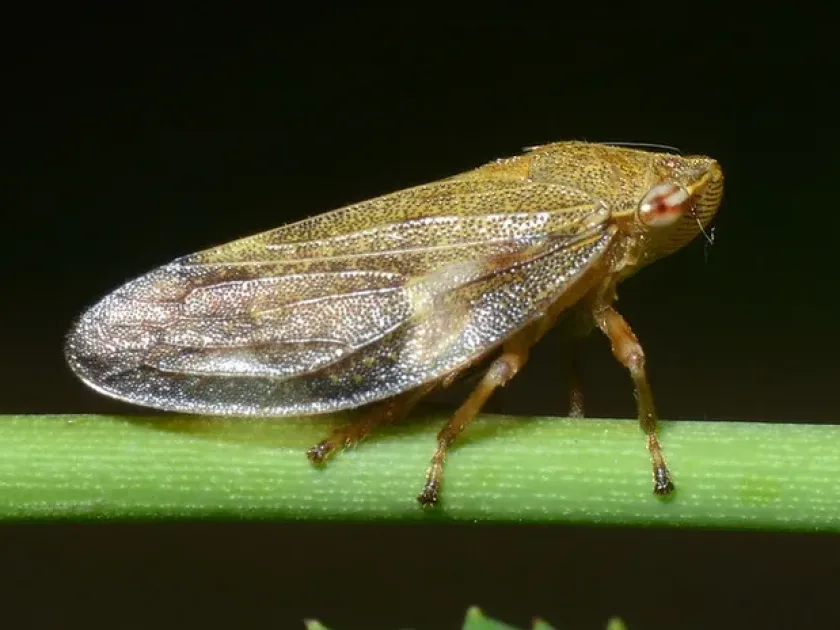
Description
How to identify
Xylella fastidiosa is a Gram-negative, xylem-limited bacterium that functions as a serious plant pathogen. It belongs to the Xanthomonadaceae family and is known for its ability to colonize a vast range of plant species globally.
The bacterium inhabits the xylem vessels of the host plant. By multiplying and producing biofilms, it physically obstructs the translocation of water and essential mineral nutrients, leading to systemic physiological collapse.
It is non-motile and relies entirely on xylem-feeding insects, such as sharpshooters and spittlebugs, for transmission from plant to plant. The insect acquires the bacteria while feeding and retains it in its foregut.
Diagnostic protocols rely on molecular techniques like qPCR and ELISA, as the bacterium is notoriously slow-growing and difficult to culture in a standard laboratory environment.
Due to its high economic impact, Xylella fastidiosa is classified as a quarantine organism in many countries, necessitating stringent regulatory oversight and immediate reporting if symptoms are observed.
What it damages
This pathogen causes a wide array of devastating diseases, including Pierce's disease in grapevines, citrus variegated chlorosis, and the infamous olive quick decline syndrome, which has devastated Mediterranean olive groves.
The damage is systemic. Once infected, the bacterium spreads through the plant's vascular system, causing progressive dieback of branches and leaves. Eventually, the entire plant may wither and die.
Beyond commercial crops like almonds, cherries, and coffee, the pathogen affects many ornamental species and forest trees, leading to significant alterations in natural ecosystems and urban landscapes.
The economic losses are staggering, involving the direct destruction of plantations, loss of production, and massive expenditure on mandatory eradication programs and research for resistant varieties.
Nurseries are particularly vulnerable, as the movement of asymptomatic infected plant material is the primary mechanism by which the pathogen enters new geographic regions and expands its range.
When it appears
The life cycle of the pathogen is intrinsically linked to the activity of its insect vectors. In temperate climates, the vector activity typically increases during the spring and summer months, facilitating pathogen spread.
Transmission occurs when an infected insect feeds on the xylem sap of a healthy plant. The bacteria are introduced into the host's vascular system, where they begin to colonize and multiply depending on the host's physiological state.
Environmental conditions, particularly temperature and humidity, influence the rate of bacterial colonization. Warmer temperatures generally favor both the activity of insect vectors and the multiplication of the bacteria inside the plant.
While infection rates may drop during the dormant winter period, the bacteria remain viable within the xylem, surviving until the next growing season when new, susceptible growth emerges.
The spread of the disease is also influenced by land management practices. Areas with high weed density provide habitat for insect vectors, facilitating higher rates of pathogen transmission between cultivated and wild plants.
Signs of infestation
Symptoms often begin as leaf scorch, where the leaf margins turn yellow, then brown and necrotic. The affected tissue remains on the branch, giving the plant a scorched appearance.
Dieback is a prominent sign, particularly in woody perennials. This often manifests as the drying up of terminal shoots and eventually larger branches, leading to a thin, sparse canopy.
In grapes, infection results in uneven fruit maturation and withered clusters. The plant loses its vigor, and the vascular system becomes severely restricted, causing a decline in overall photosynthetic capacity.
Olive trees infected with the pathogen show rapid wilting and necrosis, starting from the canopy downwards. The bark of severely affected trees may show signs of stress and decay.
Because these symptoms can often be mistaken for water stress, nutrient deficiencies, or other fungal diseases, laboratory confirmation is mandatory to differentiate Xylella fastidiosa from other disorders.
Control measures
The most effective strategy is the implementation of strict phytosanitary measures. This includes the certification of nurseries and the prohibition of plant movement from infested areas.
Management of the insect vector population is essential. Integrated Pest Management (IPM) practices, including the use of targeted insecticides and weed control, can help reduce the transmission pressure in susceptible crops.
Eradication is the primary response in newly infested areas. This includes the immediate removal and destruction of infected plants, as well as establishing buffer zones to prevent further spread.
Improving plant health through optimal irrigation and fertilization programs can help plants withstand the initial stages of infection, although it does not provide a cure or resistance against the pathogen.
Scientific efforts are heavily focused on developing and selecting resistant or tolerant cultivars. This is seen as the only sustainable long-term solution to living with the pathogen in regions where eradication is no longer feasible.
Discussion
No discussions yet — be the first.