
Streptomyces turgidiscabies
Streptomyces turgidiscabies
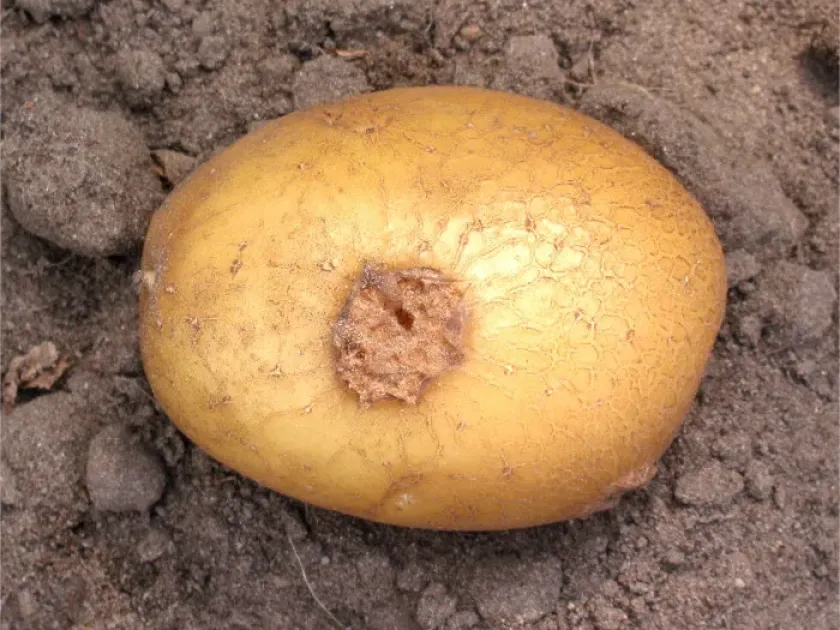
Description
How to identify
Streptomyces turgidiscabies is a Gram-positive, soil-borne bacterium belonging to the genus Streptomyces, which causes deep or pitted scab in potatoes and other root crops.
The bacterium is a saprophyte in the soil, utilizing organic matter, but acts as a parasite when susceptible plant hosts are present in the field.
It produces a specific phytotoxin known as thaxtomin, which is essential for the pathogen to successfully infect the plant tissue and cause typical scab symptoms.
Morphologically, it resembles other Streptomyces species, making precise identification in the field difficult without specific molecular testing methods like PCR analysis.
The organism thrives best in neutral to slightly alkaline soil conditions, which significantly influences the severity of the disease outbreak in agricultural settings.
What it damages
The primary host is the potato, but the pathogen can also infect other root vegetables such as beets, radishes, and turnips, causing substantial economic losses.
Infection primarily occurs through the lenticels of young developing tubers, where the bacterium enters the plant and disrupts the normal growth of the tuber skin.
Visible damage includes pitted, corky lesions that ruin the marketability of the product, rendering large percentages of the harvest unsuitable for commercial sale.
Besides surface degradation, the deep lesions make tubers highly susceptible to secondary bacterial and fungal infections, leading to rapid rotting in storage.
Severe infestations can reduce total yield and market value by up to 50%, posing a serious threat to the financial viability of potato farming operations.
When it appears
The disease cycle intensifies during the period of tuber initiation and development, as the expanding skin is highly susceptible to penetration by the bacteria.
Dry, warm soil conditions are critical for disease development, as the pathogen thrives when soil moisture levels are relatively low during the growth phase.
Transmission occurs through infested soil, contaminated farm equipment, and the planting of infected seed tubers, which introduce the pathogen into new fields.
After the harvest, the bacterium survives in the soil in a dormant state or as a saprophyte on organic debris until the next planting cycle begins.
Long-term survival in the soil necessitates rigorous crop rotation strategies, as the population of Streptomyces turgidiscabies can remain viable for several years.
Signs of infestation
Early symptoms appear as small, brownish spots that progressively develop into deep, crater-like lesions with rugged, raised edges.
Unlike common scab, S. turgidiscabies typically causes more profound and irregular pitted lesions that may penetrate significantly into the potato flesh.
The development of corky tissue around the lesions serves as a defense mechanism for the plant against the pathogen's toxic activity.
- Formation of deep, pitted scab lesions.
- Rough, corky appearance of the tuber surface.
- Significant deformation of the potato tubers.
- Increased susceptibility to soft rot during storage.
In extreme cases, the entire surface of the tuber may become covered with coalescing scabby lesions, resulting in complete deformation of the crop.
Control measures
Utilizing certified, disease-free seed tubers is the most effective initial step in preventing the introduction of the pathogen into clean fields.
Managing soil pH by incorporating acidifying fertilizers helps maintain the soil environment unfavorable for Streptomyces growth, effectively suppressing the disease.
Maintaining adequate soil moisture through irrigation during the crucial tuber-setting stage is a vital agronomic practice to discourage bacterial infection.
Crop rotation with non-host crops and the use of green manure can enhance beneficial soil microflora that outcompete the pathogen for resources.
Thorough sanitation of agricultural machinery and storage facilities is essential to prevent the spread of the bacteria from infested areas to healthy crops.
Causes diseases · 1
Discussion
No discussions yet — be the first.