
Streptomyces
Streptomyces
Description
How to identify
Streptomyces are gram-positive, filamentous bacteria belonging to the Actinobacteria class, known for their ability to thrive in soil environments as both saprophytes and plant pathogens.
The most economically significant species is Streptomyces scabies, which acts as the primary agent of common scab, a widespread disease affecting various root vegetables.
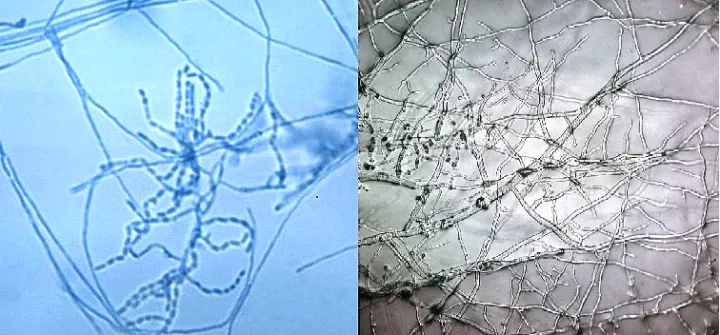
Morphologically, these bacteria form a complex mycelium similar to fungi, which helps them colonize soil particles and plant surfaces effectively.
They are highly resilient due to their ability to form spores, allowing the pathogen to persist in the soil for several years even in the absence of a host plant.
Identification is often supported by the observation of melanin pigment production on specific culture media, which is a key diagnostic feature for laboratory screening.
What it damages
Potatoes are the primary host for Streptomyces, but the pathogen also frequently attacks carrots, beets, parsnips, and radishes, causing significant quality degradation.
The infection targets the underground portions of the plant, including the periderm of developing tubers and the root systems of various vegetable crops.
The main impact is the reduction of marketable yield, as the physical appearance of the harvested produce is severely marred by deep lesions and corky scabs.
These scabs serve as entry points for secondary pathogens, significantly increasing the rate of decay and spoilage during storage and transit.
For growers, this results in direct financial loss, as severely affected crops are often rejected by retailers and may not meet the quality standards for processing.
Signs of infestation
Symptoms initially appear as small, tan, superficial lesions on the tuber surface, which eventually expand into corky, necrotic scabs.
Lesions vary in appearance and can present as pitted, raised, or flat scabs depending on the cultivar’s susceptibility and environmental conditions.
A raised, ring-like margin around the lesion is a common diagnostic sign of active colonization by Streptomyces bacteria.
In cases of high disease pressure, the entire tuber surface can be covered in scabs, leading to severe cracking and malformation of the harvested vegetable.
Early-stage infection of young stolons can lead to premature necrosis, restricting the size of the developing tubers and reducing total crop output.
Control measures
Management strategies focus on long-term soil health and the selection of resistant cultivars, as chemical control options for Streptomyces are often limited.
Maintaining slightly acidic soil pH is crucial, as the pathogen thrives in alkaline conditions; acidic fertilizers are often employed to discourage bacterial activity.
Proper irrigation management, particularly during the early tuber initiation phase, is essential to minimize the risk of infection when the plant is most vulnerable.
Using certified, disease-free seed potatoes is the most effective way to prevent the introduction of the pathogen into clean fields.
- Crop rotation with non-host plants to reduce soil inoculum levels.
- Incorporation of green manures to promote beneficial soil microbes.
- Application of bio-control agents that compete with or inhibit Streptomyces growth.
Causes diseases · 2
Discussion
No discussions yet — be the first.