
Southern bean mosaic virus
Southern bean
Description
How to identify
Southern bean mosaic virus (SBMV) is a plant virus belonging to the genus Sobemovirus, which is characterized by small, isometric, non-enveloped particles containing positive-sense single-stranded RNA.
The virus is remarkably stable, allowing it to persist in both infected seeds and plant debris, which facilitates its spread in diverse environmental conditions.
Transmission occurs through mechanical contact, such as contaminated tools or machinery, and through specialized beetle vectors that feed on host plants.
SBMV acts as a systemic pathogen, infecting the entire plant after successful entry, which leads to long-term physiological stress for the crop.
Its identification requires professional diagnostic tools, as the mosaic-like symptoms can be confused with other viral infections like Bean Common Mosaic Virus (BCMV).
What it damages
The primary host of SBMV is the common bean (Phaseolus vulgaris), which is highly susceptible and can suffer significant yield losses when infected early.
Beyond common beans, the virus affects other legumes, including certain varieties of cowpea, making it a persistent concern for farmers growing various bean types.
Damage to the plant includes stunted vegetative growth, reduced leaf area, and altered photosynthetic pathways due to the systemic nature of the infection.
Economic impact is most pronounced in the reproductive stage, where flower abortion and seed malformation directly decrease harvest quantity and quality.
In severe infestation cases, crops may experience total failure or such substantial quality loss that the seeds become unsuitable for commercial sale or future planting.
Signs of infestation
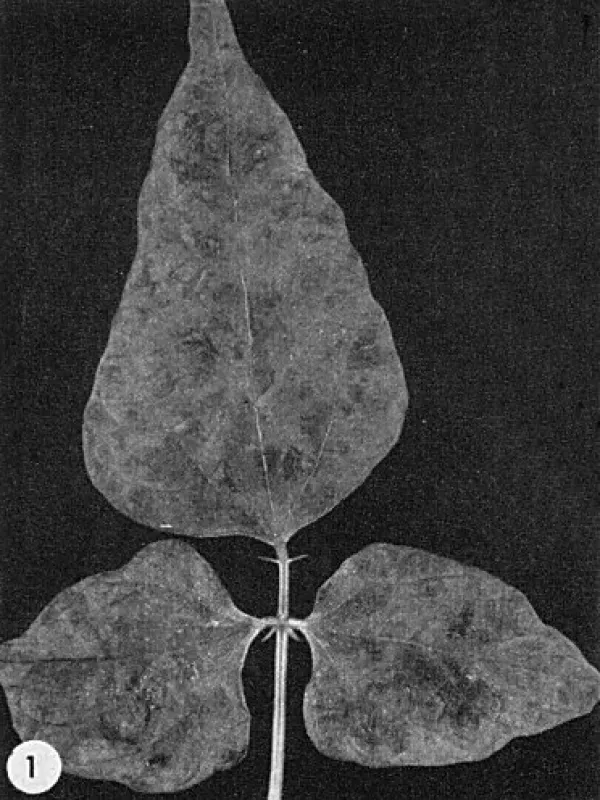
The hallmark symptoms include a classic mosaic pattern on the leaves, characterized by patches of light green or yellow chlorosis interspersed with darker green healthy tissue.
Leaves often show visible signs of puckering, wrinkling, or deformation, which significantly reduces the plant's ability to efficiently harvest sunlight for growth.
Stunting is a very common observation, with infected plants often remaining significantly smaller than adjacent healthy crops within the same field.
Infected beans may show signs of necrosis or pod malformation, and the overall plant health deteriorates as the virus interferes with essential metabolic processes.
Symptoms are usually more pronounced under warmer conditions, which often correlate with higher insect activity, leading to rapid spread within a field.
Control measures
Using virus-free, certified seeds is the most critical management strategy, given that seed transmission is one of the primary pathways for SBMV introduction.
Management of insect vectors through integrated pest management (IPM) practices, including the use of insecticides, can effectively reduce the virus's secondary spread.
Sanitation practices, such as removing infected individuals early in the season, help prevent mechanical transmission during routine field maintenance and cultivation.
Implementing crop rotation cycles and managing reservoir weed hosts around the fields are essential steps to limit the buildup of viral inoculum in the environment.
The selection and deployment of resistant or tolerant bean cultivars remain the most sustainable and efficient approach to mitigating SBMV-related agricultural losses.
Causes diseases · 1
Discussion
No discussions yet — be the first.