
Rhizobium radiobacter
Rhizobium radiobacter
Description
How to identify
Rhizobium radiobacter, formerly known as Agrobacterium tumefaciens, is a Gram-negative soil bacterium belonging to the Rhizobiaceae family. It is recognized as a significant phytopathogen capable of transferring genetic material into plant cells.
The bacterium carries a Ti (tumor-inducing) plasmid, which allows it to integrate a segment of its own DNA into the host plant's genome. This transformation causes the plant cells to proliferate uncontrollably, leading to the formation of tumors or galls.
Systematically, it is classified within the kingdom Bacteria and the phylum Proteobacteria. These bacteria can persist in the soil for extended periods, remaining viable until they encounter a wounded host plant to infect.
While certain strains are extensively utilized in biotechnology for genetic engineering of crops, in agricultural practice, the wild-type strains are primarily viewed as causal agents of severe crown gall disease.
Identification in a diagnostic setting involves isolation on selective media or molecular techniques such as PCR to confirm the presence of pathogenic plasmids. Field diagnosis relies on identifying the characteristic galls on the root system or crown of the plants.
What it damages
R. radiobacter affects a wide range of agricultural and horticultural crops, including fruit trees (apples, pears, peaches), grapevines, roses, and various berry bushes. Young nursery stock is particularly susceptible to the infection.
The pathogenicity results in the development of galls that disrupt the vascular tissue of the plant. This mechanical interference prevents the efficient translocation of water and essential nutrients from the roots to the upper parts of the plant.
Plants affected by crown gall exhibit stunted growth, reduced vigor, and increased vulnerability to cold stress and secondary opportunistic pathogens. Severe infections often lead to the total decline and death of the plant.
The economic impact on nursery operations is profound, as the presence of the disease often necessitates the destruction of entire batches of stock. This makes the management of the pathogen a priority for global agricultural health.
Transmission occurs through contaminated soil, the movement of infected plant material, and human activity. Tools contaminated during pruning or grafting are major vectors that spread the bacteria from diseased to healthy plants.
Signs of infestation
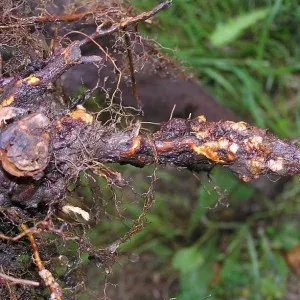
The primary symptom of infection is the emergence of galls on the roots, crown, or lower stems of the plant. Initial galls are smooth, light-colored, and soft, but they gradually harden and darken with age.
Mature galls develop a rough, woody, and necrotic surface. They often break down due to the activity of secondary saprophytic microorganisms, creating an unpleasant odor and providing an entry point for other decay-causing organisms.
Above-ground signs include leaf chlorosis, loss of vigor, and poor growth rates. If the root system is heavily colonized, the plant will fail to thrive and may eventually suffer from wilting as the hydraulic conductivity of the vascular system is compromised.
In grapevines, galls can develop on the woody stems, causing bark splitting and disrupting the flow of sap. Once these galls are established, they generally do not regress, leading to a permanent decline in the productivity of the grapevine.
Because the disease primarily affects below-ground organs, it can remain undetected for long periods. Inspection of the root collar and root system during nursery selection is essential to prevent the introduction of the pathogen into new plantings.
Control measures
The most effective strategy for managing R. radiobacter is the use of certified pathogen-free nursery stock. Implementing strict quarantine measures ensures that the infection does not enter clean production areas.
Cultural practices should emphasize site selection and rotation, avoiding soils with a history of crown gall outbreaks. Proper soil drainage and avoiding over-irrigation are also critical, as high moisture can influence bacterial mobility and survival.
Sanitation is a vital component of control. All cutting tools must be rigorously disinfected between plants using bleach, alcohol, or other approved bactericidal solutions to prevent mechanical transmission of the pathogen.
Biological control methods are available, notably the use of the non-pathogenic strain Rhizobium radiobacter K84. This strain produces a bacteriocin that specifically inhibits the growth of the pathogenic strains when applied to the root zone of nursery stock.
- Rigorous inspection and culling of symptomatic plants in nurseries.
- Avoidance of mechanical wounding of roots during transplanting.
- Use of resistant cultivars or rootstocks when available.
- Regular monitoring of fields and greenhouses for early detection.
Causes diseases · 1
Discussion
No discussions yet — be the first.