
Pythium uncinulatum
Pythium uncinulatum
Description
How to identify
Pythium uncinulatum is a destructive soil-borne pathogen belonging to the class Oomycetes. Often termed a water mold, it acts as a heterotrophic organism that thrives in aquatic environments and moist soil, causing significant damage to horticultural crops.
What it damages
The pathogen primarily affects vegetable crops, with cucumbers grown in hydroponic or greenhouse systems being particularly susceptible. It attacks the root system, causing necrosis and preventing the plant from absorbing water and essential nutrients effectively.
Secondary infections often follow the initial damage caused by Pythium uncinulatum, as the compromised roots become vulnerable to bacteria and other fungi. This leads to reduced yields, stunted growth, and in severe cases, the total death of the crop.
When it appears
The development of the pathogen is favored by high moisture levels and poor drainage conditions. It spreads rapidly through irrigation water, making it a critical threat in recirculating hydroponic systems where spores are easily distributed between plants.
Survival is ensured by the formation of oospores, which are dormant, thick-walled structures. These spores can persist in the environment for years, even in the absence of a host, awaiting favorable moisture conditions to germinate and infect new roots.
Signs of infestation
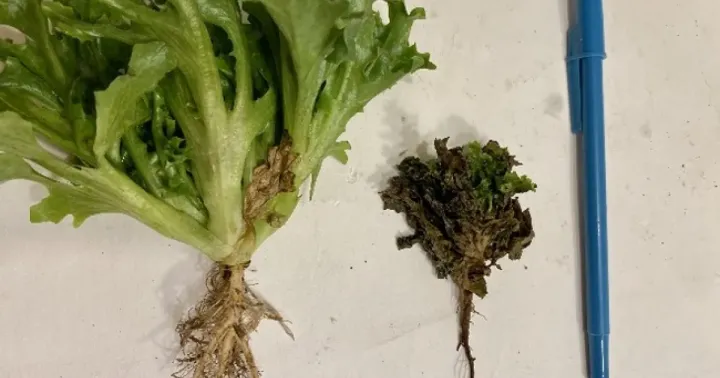
Infected plants typically exhibit wilting during the hottest part of the day, followed by foliage yellowing and slow growth. The roots appear discolored, brown, and soft, often losing their fine root hairs and lateral structures due to decay.
Diagnosis in the field is difficult due to the similarity of symptoms with other root-rotting pathogens. Accurate identification requires laboratory confirmation using molecular techniques or microscopic examination of the oospores' morphology.
Control measures
Effective control requires a multi-pronged approach, focusing on sanitation, water treatment, and biological measures. Regular cleaning of irrigation lines and disinfection of equipment are essential to prevent the spread of the pathogen.
Integrated Pest Management (IPM) strategies, including the introduction of beneficial microbes like Trichoderma species, help create a suppressive environment for Pythium uncinulatum, protecting the root zone from colonization.
Causes diseases · 1
Discussion
No discussions yet — be the first.