
Aphanomyces cladogamus
Aphanomyces cladogamus
Description
How to identify
Aphanomyces cladogamus is a soil-borne plant pathogen classified within the kingdom Chromista (phylum Oomycota, class Oomycetes). It is widely recognized as a major cause of root rot diseases in various agricultural and horticultural crops.
Biologically, this organism relies on the production of motile zoospores, which utilize flagella to navigate through water-saturated soil films in search of susceptible host roots to initiate infection.
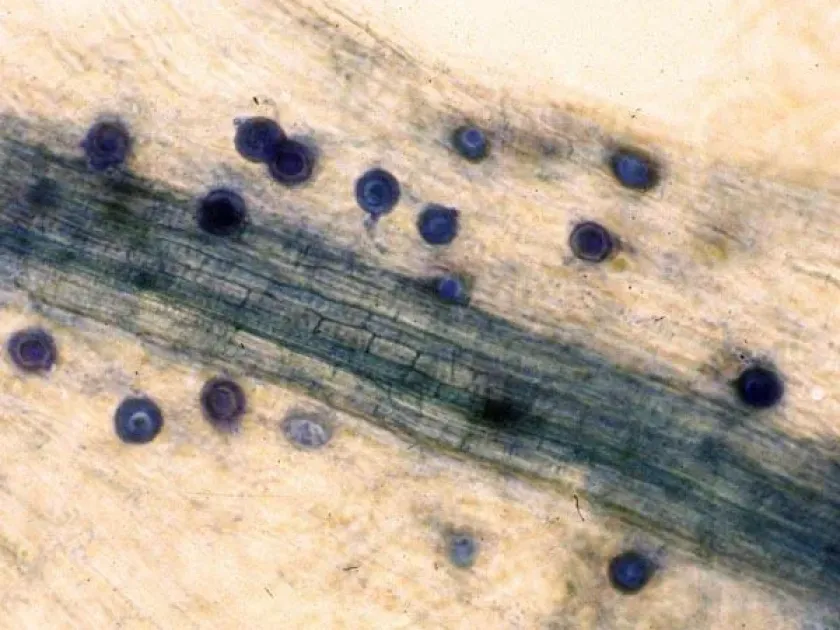
Under stressful conditions, such as nutrient depletion or unfavorable temperatures, the pathogen produces resistant oospores, which allow it to persist in the soil environment for several years.
As an oomycete, it is taxonomically distinct from true fungi. Its cell walls contain cellulose rather than chitin, which influences the effectiveness of specific chemical control agents used in modern farming.
The pathogen primarily colonizes the root tissues, disrupting the plant's ability to uptake water and essential minerals, leading to systemic physiological stress in the host plant.
What it damages
Aphanomyces cladogamus causes significant economic damage to a variety of host plants, most notably tomatoes, peppers, cucumbers, and several cruciferous species, making it a concern for both field and greenhouse growers.
The infection specifically targets the younger, more vulnerable parts of the root system, leading to tissue necrosis. This prevents the development of a healthy root architecture, essential for robust plant growth.
In cases of severe infestation, the pathogen causes seedling damping-off, resulting in complete crop loss before the plants reach maturity, particularly in high-density planting systems.
Secondary infections by opportunistic bacteria and fungi are common in tissues already weakened by A. cladogamus, further compounding the damage and complicating the overall plant health.
In addition to yield reductions, the cosmetic quality of produce can be compromised, as the plant's inability to thrive leads to stunted fruits and reduced uniformity at harvest time.
When it appears
Disease development is highly dependent on environmental moisture. High soil moisture content is the primary driver for zoospore movement, making periods of heavy rain or excessive irrigation high-risk windows.
While the pathogen remains dormant in the soil as oospores during dry or cold spells, it rapidly reactivates when soil temperatures and moisture levels align with its biological requirements for growth.
The seedling stage is the most critical period for infection, as young roots lack the defensive barriers of mature plants and are highly attractive to the motile zoospores of the pathogen.
Summer seasons characterized by fluctuating weather patterns and irrigation-induced saturation can lead to repeated cycles of infection, building the inoculum pressure within a single growing season.
Proper soil management during the pre-planting phase is essential to disrupt the life cycle of the pathogen before it can enter its active vegetative state during the cropping season.
Signs of infestation
Early symptoms include unexpected wilting during the warmest part of the day, with the plant initially recovering at night, before eventually becoming permanently wilted as the roots die.
Visual inspection of the root zone typically reveals brown, mushy, and necrotic root tissue. The outer cortex of the roots may easily slough off, leaving behind a thin, dark central cylinder.
On seedlings, damping-off is often observed, where the stem near the soil line becomes pinched or water-soaked, resulting in the collapse of the plant due to lack of structural support.
Chlorosis and necrosis of the lower foliage are common secondary signs, resulting from the vascular system's inability to supply enough resources to the upper plant canopy.
The overall growth of the plant will be noticeably stunted, and in severe cases, the plant can be easily pulled from the soil due to the almost total disintegration of the root system.
Control measures
Implementing a strict crop rotation strategy is the most effective way to manage soil-borne inoculum, with non-host crops being used to reduce the prevalence of oospores over several years.
Water management is paramount; growers must ensure adequate soil drainage and avoid over-irrigation to maintain oxygen levels in the root zone and inhibit zoospore motility.
The application of biological control agents, such as Trichoderma species, has shown promise in suppressing the population of Aphanomyces in the soil by outcompeting the pathogen for space and nutrients.
Hygiene practices are critical: always remove symptomatic plants along with their entire root balls and sanitize all gardening or farm tools used in infested areas to prevent mechanical transmission.
- Select disease-resistant cultivars or rootstocks when available for specific crops.
- Utilize balanced fertilization to promote vigorous root growth, which can help plants tolerate low-level infections.
- Perform regular soil testing to monitor the health of the soil microbiome and identify potential pathogen hotspots.
Causes diseases · 1
Discussion
No discussions yet — be the first.