
Pythium ultimum
Pythium ultimum
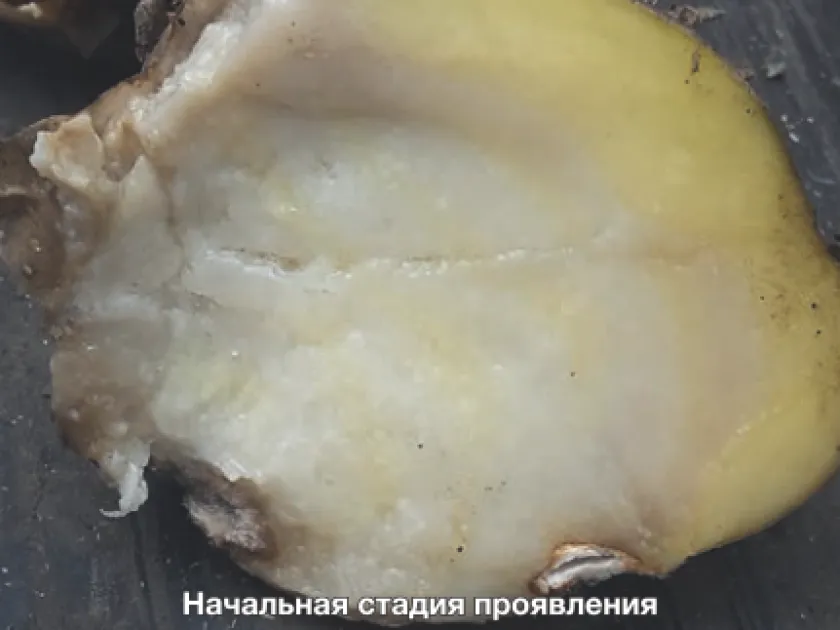
Description
How to identify
Pythium ultimum is a significant soil-borne plant pathogen belonging to the class Oomycetes. It is often referred to as a "water mold," as it thrives in aquatic environments and moist soils, playing a key role in the decay of organic matter.
The organism consists of coenocytic hyphae, meaning it lacks septa (cross-walls) in its mycelium. This structure allows for rapid cytoplasmic streaming and aggressive colonization of host tissue once infection has occurred.
Its life cycle involves both sexual and asexual reproduction. Under environmental stress, it produces thick-walled oospores, which allow the pathogen to persist in soil for several years, making long-term control extremely challenging.
The pathogen is known for its wide host range, attacking a vast array of ornamental, vegetable, and field crops. It is particularly notorious for its ability to cause "damping-off" in seedbeds and greenhouse environments.
It survives in the soil as a saprophyte, utilizing crop residues as a food source until it detects root exudates from a susceptible host, which trigger the germination of its dormant spores.
What it damages
Pythium ultimum is a major cause of seed decay and seedling blight. It attacks the roots, hypocotyls, and stems of young plants, leading to severe stand reduction and total crop failure in extreme cases.
Among the crops most impacted are tomatoes, cucumbers, peas, beans, sugar beets, and various cereal grains. In older plants, it causes stunting, yellowing, and general lack of vigor due to impaired root function.
The damage is primarily located in the root system. The destruction of fine root hairs prevents the plant from absorbing necessary water and nutrients, which often results in wilting, especially during periods of water stress or high transpiration.
When roots are damaged by Pythium, they become entry points for secondary soil-borne pathogens like Fusarium or Rhizoctonia, creating a complex disease syndrome that is difficult to manage.
The cumulative impact of the disease includes reduced crop yield, poor harvest quality, and increased expenditure on labor and inputs required to replant affected areas or treat the crops.
When it appears
The pathogen is highly active during cool, wet conditions. Infection is most prevalent in early spring when soil temperatures range between 10°C and 20°C, a common range for sowing many crops.
Soil moisture levels are the most critical factor for the pathogen's development. Excessively wet, poorly drained soils facilitate the movement of zoospores through water films in the soil, allowing them to locate host roots efficiently.
In protected cultivation (greenhouses), the pathogen can strike at any time if irrigation management is poor or if the substrate stays saturated for extended periods, providing a continuous cycle of infection.
During the warmer months, the activity of P. ultimum usually decreases as temperatures exceed its thermal optimum, but its persistent oospores ensure the pathogen survives until the return of cooler, favorable conditions.
High humidity and low light levels, often found in early greenhouse season production, exacerbate the disease severity, as plants are less able to defend themselves against rapid fungal colonization.
Signs of infestation
The most recognizable sign is the "damping-off" effect, where emerging seedlings suddenly collapse and die. The stem at the soil line becomes shriveled, brown, and necrotic, causing the plant to fall over.
Root systems of infected plants appear discolored, ranging from light tan to dark brown. The outer cortical layer of the root often sloughs off easily when touched, leaving the central vascular cylinder exposed.
- Stunting of vegetative growth.
- Wilting of plants during the warmest part of the day, with partial recovery at night.
- Chlorosis (yellowing) of lower foliage as the root system fails.
- Water-soaked, rotting appearance of stem tissue at the base of the plant.
- Failure of seed germination due to decay before emergence.
In laboratory assays, infected roots yield white, cottony mycelium. When examined under a microscope, one can observe the characteristic coenocytic hyphae and reproductive structures of the oomycete.
For mature plants, the absence of active white root tips is a strong diagnostic sign, indicating that the plant is struggling to compensate for the lost nutrient absorption capacity.
Control measures
Preventive measures are the cornerstone of Pythium management. Use of certified disease-free seeds and sterilized growing media is essential, particularly for greenhouse operations and nursery production.
Improving soil structure and ensuring proper drainage are vital cultural practices. Avoiding over-irrigation and maintaining a balanced moisture level prevents the accumulation of free water necessary for zoospore movement.
Biocontrol agents, such as Bacillus subtilis or Trichoderma species, are effective in protecting the rhizosphere. They colonize the root zone and outcompete the pathogen for space and nutrients.
Chemical control involves the application of specialized fungicides, such as metalaxyl or mefenoxam, which are specifically designed to target oomycetes. These should be applied preventively or at the very first sign of infection.
Strict sanitation protocols, including the disinfection of benches, trays, and tools, are necessary to prevent the mechanical transfer of contaminated soil or infested water between production cycles.
Causes diseases · 3
Discussion
No discussions yet — be the first.