
Pythium tracheiphilum
Pythium tracheiphilum
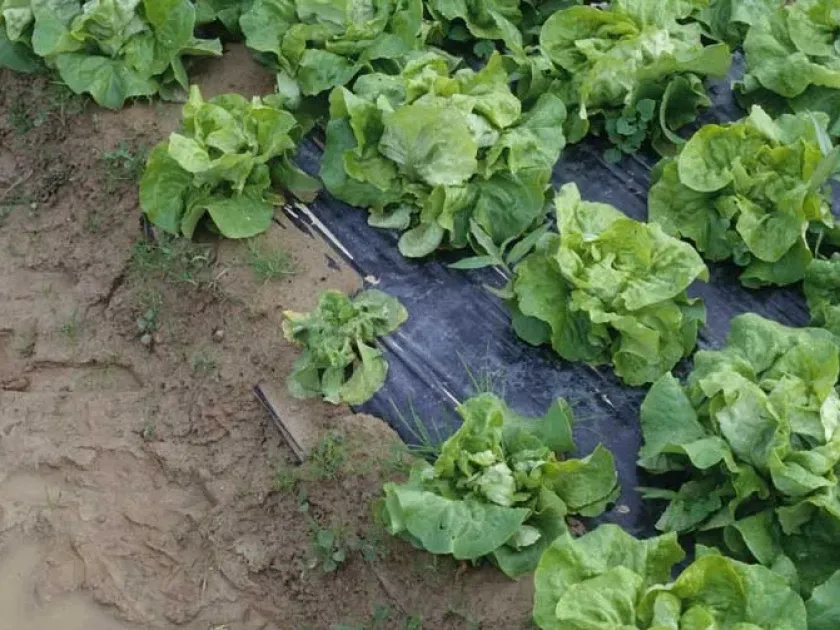
Description
How to identify
Pythium tracheiphilum is a pathogenic oomycete belonging to the kingdom Chromista. It is a specialized soil-borne pathogen that primarily affects lettuce plants, causing significant vascular wilt and root rot.
Unlike true fungi, this organism produces motile zoospores that require water to swim through the soil profile or hydroponic solutions to find and infect host roots.
The pathogen persists in the soil via oospores, which are thick-walled sexual spores capable of surviving unfavorable environmental conditions for several years.
Once it colonizes the vascular tissues, the mycelium secretes enzymes that break down cell walls and impede the transport of water and nutrients, eventually leading to plant collapse.
This pathogen is particularly dangerous in intensive agriculture settings where environmental conditions are optimized for host plant growth, which often simultaneously favors pathogen propagation.
What it damages
The primary host for Pythium tracheiphilum is lettuce (Lactuca sativa). The disease manifests as stunted growth, vascular discoloration, and systemic wilting of the leaves.
In seedling nurseries, the pathogen causes damping-off, which can destroy an entire batch of plants within a very short period if moisture levels remain high.
For mature plants, the infection prevents head formation and reduces foliage quality, rendering the produce unsuitable for sale or consumption.
In hydroponic production systems, the pathogen can spread rapidly through the recirculating nutrient solution, leading to systemic infection across the entire facility.
Economic losses are often compounded by the need for costly sterilization of growing media and specialized equipment to eradicate the persistent oospore bank.
Signs of infestation
Early symptoms include temporary wilting during peak sunlight hours, where plants lose turgor pressure despite having adequate soil moisture levels.
As the disease progresses, the lower leaves begin to yellow and develop necrotic margins. The wilting eventually becomes permanent and the entire plant collapses.
Examination of the root system reveals brown, mushy, and decayed roots. The cortex may slough off easily, leaving only the central vascular cylinder intact.
A cross-section of the stem base typically shows reddish-brown to dark-brown discoloration of the xylem vessels, confirming that the infection has moved into the vascular system.
Under humid conditions, sparse, cottony white mycelial growth may sometimes appear at the base of the plant stem, though this is not always visible to the naked eye.
Control measures
Effective management begins with sanitation. Tools, containers, and greenhouse surfaces should be disinfected thoroughly to prevent the transfer of contaminated soil or water.
Water management is critical; ensure proper drainage in field soils and maintain optimal oxygen levels in hydroponic systems to mitigate the pathogen's ability to thrive.
Crop rotation remains a fundamental practice, as the pathogen's populations tend to decrease when non-host crops are grown for several seasons.
Biological control agents and chemical fungicides should be integrated into the management plan as preventive measures rather than a cure for established infections.
- Use certified disease-free seeds or transplants.
- Regularly test irrigation water for the presence of pathogens.
- Remove and destroy any symptomatic plants immediately upon detection.
Causes diseases · 1
Discussion
No discussions yet — be the first.