
Pythium oligandrum
Pythium oligandrum
Description
How to identify
Pythium oligandrum is a unique species belonging to the kingdom Chromista and the phylum Oomycota. Unlike many of its counterparts known as devastating plant pathogens, this organism is widely recognized as a beneficial mycoparasite.
This oomycete naturally inhabits the soil and possesses a specialized biological strategy that allows it to thrive by parasiting other pathogenic fungi. It is a key organism for maintaining a healthy rhizosphere environment.
Its life cycle involves the production of resilient oospores, which allow the organism to survive harsh environmental conditions and low nutrient availability for extended periods.
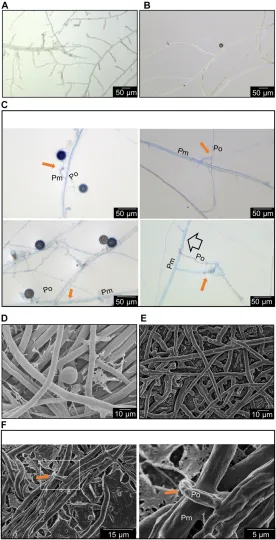
The mycelium of Pythium oligandrum grows rapidly in the soil, utilizing chemotaxis to detect and locate pathogenic fungal hosts. Upon contact, it coils around the host hyphae and produces appressoria to penetrate the host cells.
Through the secretion of specific enzymes, including cellulases and chitinases, it breaks down the cell walls of pathogenic fungi, effectively neutralizing them.
What it damages
Pythium oligandrum does not harm agricultural crops; rather, it acts as a protector against various soil-borne pathogens. Its primary targets are fungi such as Fusarium spp., Rhizoctonia solani, and other pathogenic Pythium species.
By competing for space and nutrients in the rhizosphere, it significantly reduces the incidence of seedling damping-off, root rots, and wilting diseases in crops like tomatoes, peppers, and cereals.
The organism does not produce toxins harmful to plant tissues or human health, making it an excellent candidate for sustainable and organic farming practices.
Its economic value lies in its ability to enhance plant growth by ensuring a clean and infection-free root zone during the critical early stages of crop development.
As a biocontrol agent, it acts as a natural sanitizer, reducing the reliance on chemical fungicides and promoting a balanced soil microbiome.
When it appears
The activity of Pythium oligandrum is heavily dependent on soil temperature and moisture levels. It is most active during the spring and early summer when plants are establishing their root systems.
Optimal growth occurs at temperatures between 15°C and 25°C. During this time, oospores germinate and colonize the soil volume immediately surrounding the seeds and roots.
As soil moisture levels fluctuate, the organism can adapt; however, excessive dryness causes it to form oospores, entering a dormant state to wait for better conditions.
During the autumn, as temperatures drop, the organism prepares for overwintering, ensuring its persistence in the field for the following season.
Dissemination across agricultural areas primarily occurs through the movement of soil particles, irrigation water, and the transfer of non-sterile planting materials or substrates.
Signs of infestation
While the presence of Pythium oligandrum cannot be easily identified by the naked eye in the field, its positive impact is reflected in crop health. A reduced incidence of root rot symptoms is a key indicator of its effectiveness.
In fields treated with products containing this mycoparasite, one can observe increased seed germination rates and vigorous seedling growth compared to untreated areas.
Professional identification requires laboratory analysis, including microscopic examination of root samples or soil suspension, where the parasite's hyphae can be seen attacking target pathogens.
Diagnostic kits and quantitative molecular methods, such as PCR, are also used in research and high-tech agriculture to monitor the population density of the organism in the soil.
Growers should monitor the general vigor of the crop and the health of the root system as practical indicators of the microbial balance in their production environment.
Control measures
In an agricultural context, "control" refers to the management and preservation of Pythium oligandrum populations to maximize their beneficial effects.
Farmers should minimize the application of broad-spectrum chemical fungicides, especially those targeting oomycetes, as these can drastically reduce the efficacy of the biocontrol agent.
Integrated pest management (IPM) strategies suggest applying Pythium oligandrum-based products early in the growing season to establish the beneficial population before pathogens take hold.
- Application of specialized biofungicides containing oospores.
- Maintenance of moderate soil moisture levels to support microbial activity.
- Avoidance of aggressive soil sterilization methods that destroy the beneficial microbiome.
Promoting a diverse soil environment through organic amendments further supports the long-term survival and effectiveness of this valuable mycoparasite.
Causes diseases · 1
Discussion
No discussions yet — be the first.