
Pythium debaryanum
Pythium debaryanum
Description
How to identify
Pythium debaryanum is a soil-borne plant pathogen belonging to the class Oomycetes. Often referred to as a "water mold," it is a significant threat to agriculture globally.
The organism thrives as a saprotroph in soil, consuming organic matter, or as a parasite attacking the root systems and hypocotyls of young, succulent plant tissues.
It reproduces through motile zoospores that require a film of water to swim through soil pores, effectively locating host roots to initiate the infection process.
Under stressful conditions, it produces robust oospores that allow the pathogen to survive in the soil for years, making it an extremely persistent and difficult enemy for farmers.
The pathogen utilizes a complex set of enzymes to break down plant cell walls, leading to rapid cellular collapse and the typical symptoms of seedling decay.
What it damages
This pathogen has an extremely wide host range, attacking seedlings of tomatoes, cucumbers, peppers, cabbages, and various ornamental greenhouse crops.
In cereal crops, it causes severe root rot during germination, especially when cold and wet conditions prevail during the initial planting stages.
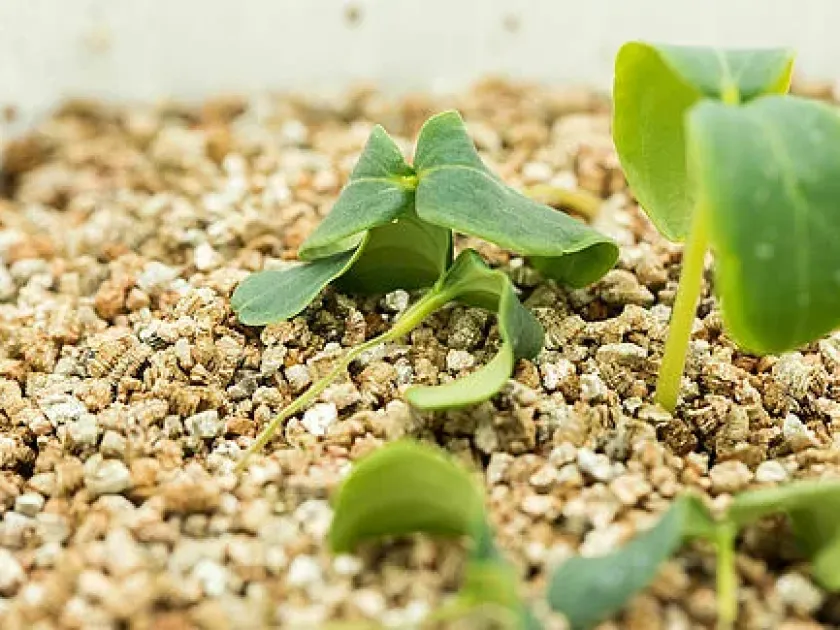
It is the primary cause of "damping-off," a condition where seedlings suddenly collapse and die, often causing total failure of a seedbed or a nursery tray.
Mature plants may also suffer from root rot if the soil is persistently waterlogged, resulting in stunted growth and significantly reduced yields for the producer.
The economic impact of Pythium debaryanum is immense, as it necessitates repeated planting and significant expenditure on fungicides and soil sterilization.
When it appears
The pathogen is most active during cool, damp spring weather when soil temperatures are between 10 and 20 degrees Celsius, which is ideal for both growth and zoospore motility.
In greenhouses, the pathogen can be active year-round if proper sanitation and climate control measures are not strictly maintained by the grower.
Excessive rainfall or over-irrigation are the most common triggers for outbreaks, as the water facilitates the movement of zoospores across the root zone.
Poor soil aeration, caused by compaction or heavy clay content, contributes to the buildup of water at the base of the plant, favoring the pathogen.
The most vulnerable stage for the host is the period from germination until the plant develops a toughened stem and a more robust root system.
Signs of infestation
The hallmark symptom is damping-off: the stem at the soil line turns dark, becomes thin and water-soaked, causing the seedling to topple over.
Roots appear discolored, ranging from light brown to black, and often exhibit a slimy texture due to the rapid decomposition of the root cortex.
Above-ground signs include sudden wilting and yellowing of the leaves, even when the soil moisture is high, as the root system can no longer uptake water.
A fine, white, web-like mycelium may appear on the surface of the soil around the infected plant when humidity levels are very high.
- Rapid collapse of healthy seedlings;
- Dark, constricted base of the stem;
- Decaying and rotting root system;
- Patchy distribution in seed trays or fields;
- Failure of seeds to germinate due to pre-emergence damping-off.
Control measures
Successful management starts with soil pasteurization or using certified, disease-free commercial potting mixes to eliminate initial inoculum.
Controlling water management is crucial; ensuring excellent drainage and avoiding over-watering creates a hostile environment for the pathogen.
Biological control agents, such as Trichoderma species, are effective in colonizing the rhizosphere and preventing the establishment of the pathogen.
Chemical control involving seed treatments with systemic fungicides targeting oomycetes can protect emerging plants during their most susceptible phase.
Implementing strict hygiene practices, such as disinfecting tools and trays and ensuring good airflow, helps prevent the spread of zoospores between plants.
Causes diseases · 2
Discussion
No discussions yet — be the first.