
Pythium catenulatum
Pythium catenulatum
Description
How to identify
Pythium catenulatum is a soilborne microorganism belonging to the class Oomycota. It is a filamentous pathogen that thrives in moist environments, where it releases motile zoospores that can navigate through the water film in the soil to reach plant roots.
The name catenulatum refers to the distinct appearance of its oogonia, which form in characteristic chains. This morphological trait is essential for the identification of the pathogen in laboratory settings, distinguishing it from other common species of the Pythium genus.
The life cycle of this pathogen is highly adaptive. It produces thick-walled oospores, which allow it to survive periods of drought or cold when plant hosts are unavailable. This persistence makes it a challenging pathogen to eradicate once it is established in the soil.
In addition to its parasitic phase, the organism can act as a saprotroph, utilizing decaying organic matter. This capability allows the pathogen to remain present in the soil even after the removal of the primary crop, serving as a reservoir for future infections.
Environmental factors such as high soil moisture, poor aeration, and moderate temperatures significantly accelerate the development of the pathogen. Under these conditions, the release of zoospores is maximized, leading to rapid disease transmission within a field or greenhouse.
What it damages
Pythium catenulatum has a broad host range, affecting various vegetable crops, cereals, and ornamental plants. Seedlings are particularly susceptible, as their young roots lack the structural integrity and defensive compounds found in mature tissues.
It is a primary cause of damping-off, a condition where the pathogen attacks the stem base of the seedling, causing it to collapse and die rapidly. This damage often occurs during the early stages of plant establishment, resulting in significant stand loss.
Greenhouse operations are highly vulnerable to this pathogen, as the environment often provides ideal conditions for its proliferation. In crops such as lettuce, tomatoes, and cucumbers, it can cause severe stunting and root decay, compromising the plant's nutrient uptake.
Even in established crops, P. catenulatum can be damaging, especially when the soil is waterlogged or poorly drained. The destruction of root hairs and feeder roots leaves the plant unable to manage water stress, leading to permanent wilting and yield reduction.
The damage caused by this oomycete is frequently exacerbated by subsequent infections from other soil pathogens. Once the root cortex is breached by Pythium, opportunistic bacteria and fungi quickly colonize the tissue, leading to complete root rot.
Signs of infestation
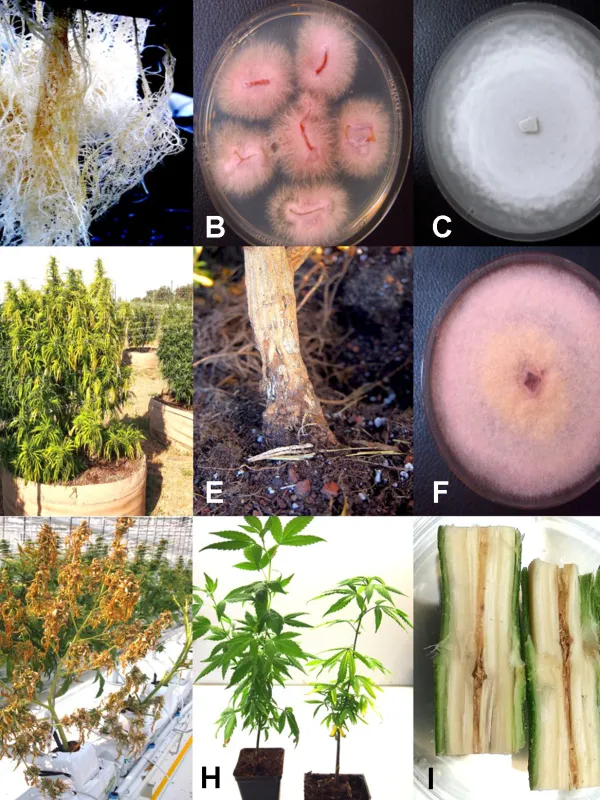
The most recognizable sign of an infection is the sudden wilting of previously healthy plants. Seedlings may appear to collapse overnight, with the stem base showing a water-soaked, soft, or darkened appearance near the soil line.
When examining the root system, the roots will appear brown, mushy, and show signs of necrosis. In severe cases, the cortical layer of the root may easily slough off when pulled, leaving only the central vascular cylinder intact.
Chlorosis, or the yellowing of foliage, is another common symptom as the disease progresses. This usually starts from the lower leaves and works its way up, reflecting the plant's systemic inability to transport water and essential nutrients from the soil.
In humid conditions, particularly inside greenhouses, a sparse white mycelial mat may be visible at the base of the plant. This is the fungus-like growth of the pathogen attempting to spread to adjacent plants or healthy tissue.
Stunted growth is a hallmark of chronic infection. Affected plants often exhibit shorter internodes, reduced leaf size, and a general lack of vigor compared to healthy counterparts in the same area.
Control measures
Managing soil moisture is the most effective cultural practice to control Pythium catenulatum. Implementing proper irrigation scheduling and improving soil drainage prevents the water saturation required for zoospore movement.
Sanitation is critical, especially in greenhouse environments. Using pathogen-free growing media, disinfecting pots and tools, and keeping irrigation sources clean can drastically reduce the introduction and spread of the pathogen.
Biological control agents, particularly certain strains of Trichoderma fungi and Bacillus bacteria, can be used to protect the root zone. These beneficial microbes compete with the pathogen and can actively parasitize its mycelium.
When chemical intervention is necessary, fungicides specifically formulated for oomycetes should be used. These treatments are most effective when applied as a preventative measure or at the very early stages of disease development.
Implementing a diverse crop rotation strategy helps to deplete the population of the pathogen in the soil. Furthermore, thorough removal of infected plant debris after each growing cycle is essential to break the pathogen's life cycle and protect future crops.
Causes diseases · 1
Discussion
No discussions yet — be the first.