
Pseudomonas avenae
Pseudomonas avenae
Description
How to identify
Pseudomonas avenae, currently classified as Acidovorax avenae subsp. avenae, is a Gram-negative, motile rod-shaped bacterium. This phytopathogen belongs to the Comamonadaceae family and is recognized as a significant agent causing bacterial diseases in major cereal crops worldwide.
The bacterium is a facultative parasite that thrives in warm and humid climates. It spreads through wind-blown rain, irrigation water, and contaminated agricultural machinery. It survives between seasons in infected plant debris, soil, and internally or externally on seeds.
What it damages
This pathogen primarily affects monocotyledonous crops such as oats, rice, corn, and wheat. It is responsible for symptoms known as bacterial stripe or leaf blight, which can lead to significant physiological stress in plants and reduced grain quality and total yield.
In addition to cereals, it has been identified as a pathogen for several other plant species, including certain vegetables and ornamental plants. The damage potential is highest in fields with high density, where microclimatic conditions favor bacterial reproduction and transmission.
Signs of infestation
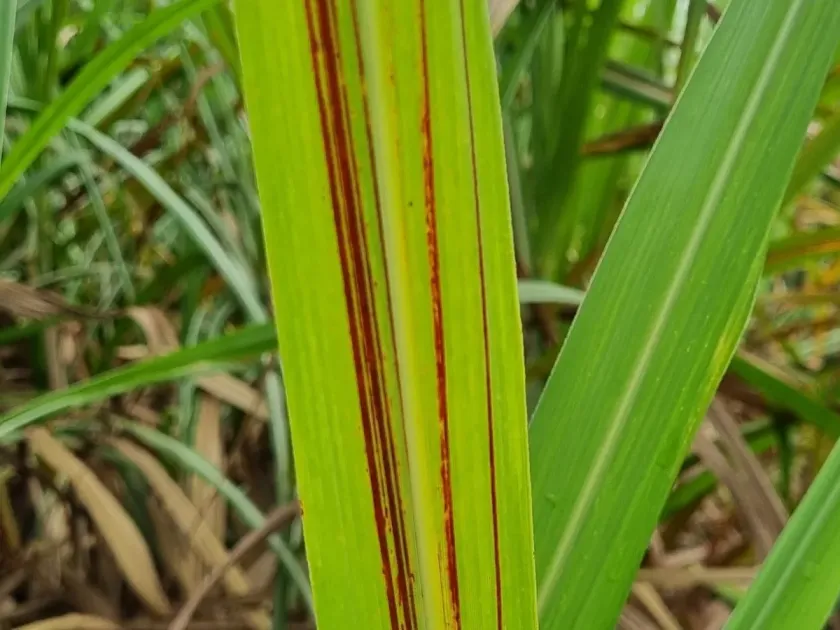
Early symptoms appear as small, water-soaked spots that rapidly expand into narrow, elongated stripes between the leaf veins. These lesions often turn yellowish-brown or reddish-brown as the tissue becomes necrotic, eventually causing the leaves to wilt and wither.
During periods of high humidity, bacterial ooze may be visible on the surface of the lesions. Once the water evaporates, this substance leaves a characteristic, thin, shiny film. On seedlings, the infection can cause systemic rotting, resulting in poor stand establishment or complete seedling death.
Control measures
Effective management begins with the use of certified, disease-free seed lots. Seed treatment with appropriate bactericides is a critical preventive measure to reduce initial inoculum levels and protect emerging sprouts from early infection.
Cultural practices are essential for long-term control: crop rotation with non-host species, such as legumes, and thorough incorporation of crop residues into the soil. Ensuring proper field drainage and controlling volunteer plants can further minimize the risk of bacterial outbreaks.
Discussion
No discussions yet — be the first.