
Pseudomonas andropogonis
Pseudomonas andropogonis
Description
How to identify
Pseudomonas andropogonis (often synonymized with Burkholderia andropogonis) is a gram-negative, non-spore-forming, motile rod-shaped bacterium. It is a specialized phytopathogenic organism capable of infecting various monocotyledonous and dicotyledonous plants.
Systematically, it is a member of the family Burkholderiaceae. As a pathogen, it colonizes the intercellular spaces of host plant tissues, utilizing extracellular enzymes to break down plant cell walls and extract nutrients, which leads to the formation of necrotic lesions.
Identification typically requires diagnostic laboratory techniques, such as PCR or specific culturing methods, because visual symptoms can be confused with other bacterial or fungal leaf spots. The bacterium thrives in plant residues and can persist in soil for limited periods.
The transmission of the pathogen is facilitated by environmental factors, particularly moisture. The bacteria enter the host through natural openings like stomata or through mechanical wounds, establishing an infection that spreads quickly under optimal conditions.
Biologically, P. andropogonis relies on the metabolic activity of its host to sustain its population growth. The bacterium’s ability to survive in both infected seeds and crop debris makes it a persistent challenge for integrated pest management programs.
What it damages
The primary hosts of this pathogen include sorghum (the source of its name), corn, sugarcane, and ornamental plants like carnations. The damage is characterized by significant reduction in photosynthetic capacity due to leaf spot formation and tissue death.
Economic losses are severe when the infection occurs early in the growing season, causing stunting and potential mortality of seedlings. In mature plants, widespread leaf damage reduces biomass and grain fill, directly impacting total yield.
Systemic infections can occur in certain host species, leading to stem necrosis and wilting. This type of damage is particularly difficult to treat and can result in the complete loss of individual plants or localized patches in the field.
For ornamental producers, the bacterial spots destroy the aesthetic value of the foliage and flowers. This leads to immediate economic loss, as affected products often do not meet quality standards for commercial distribution.
Secondary damage includes the weakened state of the plant, which becomes more susceptible to opportunistic pathogens and environmental stress. The overall vigor of the crop is compromised, making it difficult for the plant to recover even if the bacterial population is suppressed.
When it appears
The pathogen is most active during periods of moderate temperatures and high humidity. Frequent rainfall, heavy dew, and high air moisture facilitate the movement of bacteria from infected to healthy plant tissues.
Primary inoculum sources include contaminated seeds and infested crop debris left over from previous seasons. Survival during winter is facilitated by the pathogen's ability to remain dormant within plant tissues or the soil.
Secondary spread occurs throughout the growing season, with rain splashes being the most common vector for moving bacteria across a field. High-humidity environments, especially in closed-canopy crops, allow the infection to spread rapidly from plant to plant.
Optimal development usually occurs within the 20°C to 28°C temperature range. While the pathogen can survive extreme conditions by entering a dormant phase, active growth and infection cycles require consistent moisture and moderate heat.
Monitoring for the disease is essential during the period of active vegetative growth. Late-season infections may cause less damage to the overall yield but contribute significantly to the pathogen load in the soil and residues for the following season.
Signs of infestation
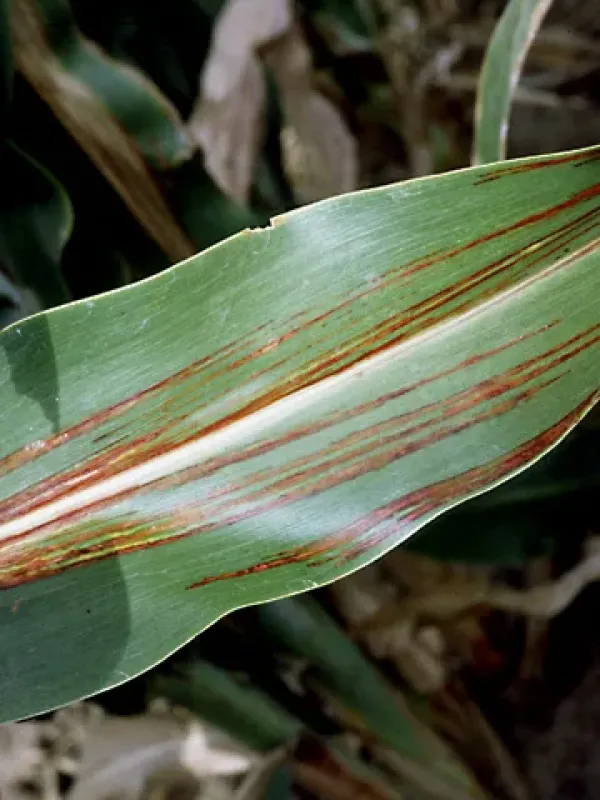
Typical symptoms manifest as water-soaked spots on leaves that soon turn reddish-brown or dark brown. A distinctive chlorotic halo often surrounds the necrotic spot, indicating the activity of bacterial toxins on the surrounding plant tissue.
Under conditions of high humidity, a bacterial exudate may appear on the surface of the lesions. This substance is often visible as tiny droplets or a thin, shiny film that hardens into a glaze upon drying.
As the disease progresses, lesions can merge and cover large portions of the leaf blade, resulting in premature leaf death and eventual cracking of the necrotic tissue. This gives the plant a scorched, weathered appearance.
Infection on stems often presents as brown streaks or sunken lesions. In some hosts, the infection leads to internal softening or decay of the pith, which may be accompanied by a faint, unpleasant smell characteristic of bacterial rotting.
Seedlings infected at an early stage may show overall yellowing, reduced growth, and drooping. If the infection reaches the vascular system, the plant may experience rapid wilting and collapse before reaching maturity.
Control measures
Preventative strategies, including the use of certified pathogen-free seeds, are the most reliable way to manage the disease. Implementing a strict crop rotation schedule helps reduce the accumulation of the pathogen in the soil.
Sanitation practices, such as the removal and destruction of crop residues, help limit the amount of inoculum available for the next season. Deep plowing is effective in burying debris, which facilitates faster decomposition.
Controlling moisture in the field, such as avoiding overhead irrigation when possible, can create a less favorable environment for bacterial transmission. Adequate spacing between rows also helps increase air circulation and reduce humidity.
Chemical control involving copper-based bactericides can be used in some cases to protect the crop. These treatments are most effective when applied preventively before the onset of the disease, especially under high-risk weather conditions.
- Select and plant resistant or tolerant crop varieties.
- Manage insect populations to reduce mechanical wounding.
- Disinfect farming tools and equipment regularly.
- Monitor weather patterns to anticipate high-risk infection periods.
Causes diseases · 1
Discussion
No discussions yet — be the first.