
Grape Downy Mildew
Plasmopara viticola
Description
How to identify
The causal agent of downy mildew is Plasmopara viticola, an obligate oomycete belonging to the kingdom Chromista. It is a highly specialized pathogen that affects only species within the Vitaceae family.
The pathogen overwinters as oospores in fallen leaves and soil debris, where it can remain viable for several years. In spring, when temperatures exceed 10°C and moisture is present, these oospores germinate to release zoospores.
The zoospores are splashed by rain or wind onto host plants, entering through stomata. Once inside, the mycelium spreads rapidly through the intercellular spaces of the leaf tissue, absorbing nutrients from the host cells.
The infection cycle is extremely fast under favorable conditions, with an incubation period ranging from 5 to 12 days. Multiple infection cycles can occur throughout a single growing season.
High humidity, frequent rainfall, and moderate temperatures between 20°C and 25°C are the primary environmental drivers for the rapid spread and epiphytotic outbreaks of this disease.
What it damages
Downy mildew affects all green parts of the vine, including leaves, young shoots, tendrils, inflorescences, and developing berries. The impact on production can be devastating, leading to total yield loss.
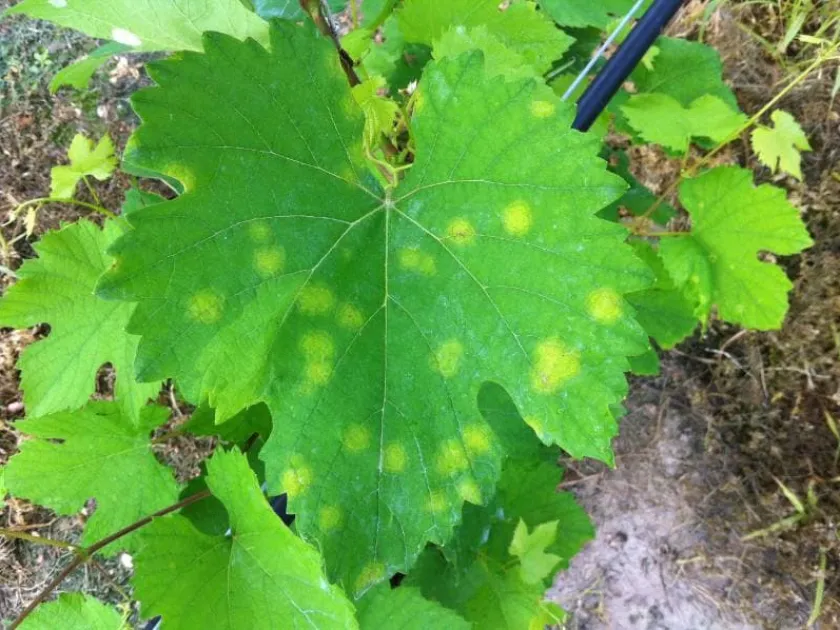
On leaves, the infection causes characteristic oil spots, which eventually turn brown and necrotize. This damage reduces the vine's photosynthetic capacity, stunting overall growth.
Inflorescences and young berries are highly susceptible; they often wither, turn brown, and drop. Mature berries can also be infected, becoming leathery and shriveled.
Severe defoliation weakens the vine, preventing proper wood maturation, which significantly reduces the plant's winter hardiness and its potential for the next season.
The cumulative damage often leads to long-term economic decline of the vineyard, requiring intensive investment in recovery and ongoing protection measures.
Signs of infestation
The most distinctive diagnostic sign is the appearance of a white, downy, fungal growth on the underside of leaves, which develops directly beneath the oil spots during wet conditions.
The upper leaf surface displays yellow-green spots. In dry weather, the downy growth may not be visible, but the chlorotic spots still provide clear evidence of infection.
On green shoots, the pathogen causes elongated, brown, sunken lesions. If these lesions encircle the shoot, the distal parts may wilt and eventually die.
Infected berries turn grayish-blue and may be covered in white sporulation. These fruits are inedible and pose a major threat to the quality of harvested grapes.
Microscopic examination confirms the presence of characteristic sporangiophores and sporangia, which differentiates downy mildew from other common fungal infections like powdery mildew.
Control measures
Integrated management begins with cultural practices, such as proper canopy management, pruning, and thinning to ensure good air circulation, which helps keep leaf surfaces dry.
Chemical control involves the strategic application of fungicides. Treatment timing is critical, specifically before and after bloom, as well as during periods of rapid fruit expansion.
- Contact fungicides, such as copper-based products, provide a protective barrier on the plant surface to prevent infection.
- Systemic fungicides are employed to suppress existing infections and provide longer-lasting protection within the plant tissues.
- Effective resistance management programs require alternating between different classes of fungicides to ensure the pathogen does not evolve immunity.
Sanitation measures, including the removal and destruction of fallen leaves in autumn, are essential for reducing the primary inoculum source in the vineyard.
Choosing resistant or tolerant grape cultivars provides a sustainable way to manage the disease, reducing the reliance on chemical interventions over time.
Causes diseases · 1
Discussion
No discussions yet — be the first.