
Plasmopara
Plasmopara
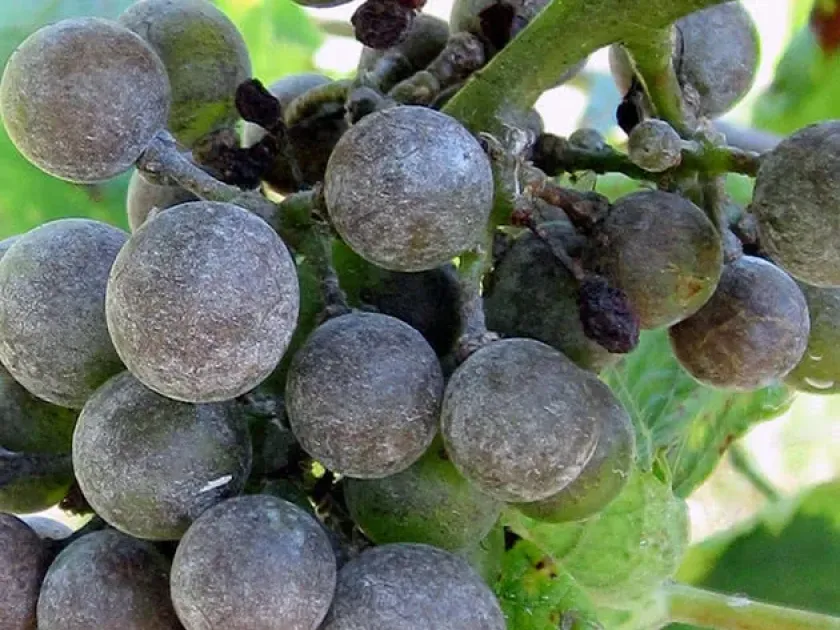
Description
How to identify
The genus Plasmopara consists of pathogenic oomycetes that are responsible for the severe agricultural condition known as downy mildew. These organisms are not true fungi but are closely related to algae. They are obligate biotrophs, meaning they require living host tissue to complete their biological cycle and survive in the environment.
What it damages
The most devastating species, Plasmopara viticola, affects grapevines globally, causing significant yield losses and reduction in grape quality. Other members of the genus target economically important crops such as sunflowers and basil. The pathogen disrupts photosynthesis by invading leaf tissue, eventually killing the host's vegetative and reproductive organs.
When it appears
The disease cycle begins with overwintering oospores in leaf litter or soil. Primary infection occurs when temperature and moisture levels rise in spring, triggering the release of zoospores. These mobile spores swim through films of water on leaf surfaces to reach stomata. High humidity and mild temperatures are the primary catalysts for rapid disease spreading.
Signs of infestation
Infected leaves exhibit characteristic oily or yellowish spots on the upper side, often referred to as "oil spots." Under high humidity, a dense, whitish fungal-like growth appears on the underside of these spots. If untreated, the lesions coalesce, turn brown, and cause the tissue to dry out and die prematurely, severely stressing the plant.
Control measures
Effective management requires a proactive integrated pest management strategy:
- Improve canopy management to increase airflow and reduce leaf wetness duration.
- Sanitation practices including the removal and destruction of fallen infected leaves.
- Application of fungicides, such as copper-based products or systemic compounds, during critical growth stages.
- Selection of downy mildew-resistant cultivars or varieties.
- Monitoring weather patterns to time fungicide applications precisely.
Causes diseases · 1
Discussion
No discussions yet — be the first.