
Phytophthora syringae
Phytophthora syringae
Description
How to identify
Phytophthora syringae is a soil-borne oomycete pathogen belonging to the kingdom Chromista. It acts as a primary cause of crown rot, root rot, and fruit rot in various woody and perennial plant species.
The pathogen thrives by producing motile zoospores in wet conditions, which swim through water films in the soil to reach susceptible host roots. It is classified as an opportunistic parasite that can persist in soil organic matter for long durations.
What it damages
This pathogen impacts a wide range of economically important plants, including pome fruits (apple, pear), ornamental shrubs such as lilacs (Syringa), and rhododendrons. It is particularly damaging in nurseries where nursery stock is densely packed.
Damage typically involves the decay of feeder roots and the development of trunk cankers. If left unchecked, the pathogen can girdle the stem, leading to the rapid decline and eventual death of the affected plant.
When it appears
Infection cycles are highly dependent on environmental conditions, with peak activity occurring during cool, wet seasons. Temperatures between 10°C and 20°C are considered optimal for the pathogen's growth and sporulation.
During the winter, the pathogen survives as oospores or mycelium within infected host tissue or debris. As soil moisture levels increase in the spring, the pathogen activates, spreading through soil water to new susceptible hosts.
Signs of infestation
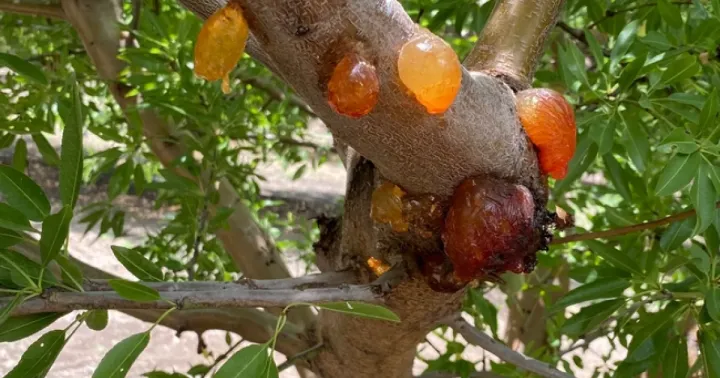
The most visible symptoms include darkened, water-soaked lesions on the lower trunk or root collar. When the bark is removed, a characteristic reddish-brown discoloration of the underlying cambium layer is observed.
Foliage symptoms manifest as chlorosis, leaf wilting, and premature senescence. Affected trees often show a thin canopy and reduced growth rates as the root system loses its ability to absorb water and essential mineral nutrients.
Control measures
Effective management begins with improving soil drainage and ensuring that plants are not subjected to waterlogging. Avoiding physical injury to the trunk is crucial, as wounds provide easy entry points for the pathogen.
- Regular monitoring of orchard or garden health.
- Application of chemical fungicides like metalaxyl or fosetyl-aluminum where appropriate.
- Sanitization of pruning tools to prevent cross-contamination.
- Removal and destruction of heavily infected plant material.
- Using resistant rootstocks for new plantings.
Causes diseases · 1
Discussion
No discussions yet — be the first.