
Phytophthora plurivora
Phytophthora plurivora
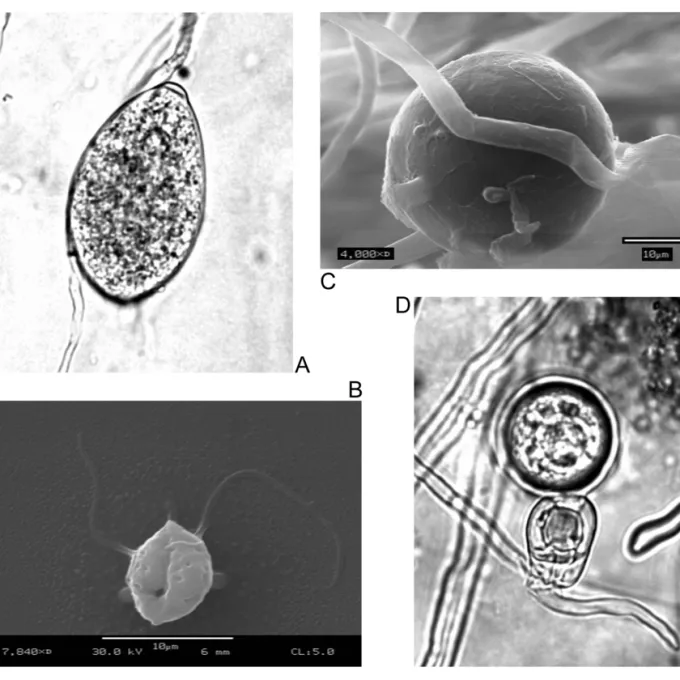
Description
How to identify
Phytophthora plurivora is a pathogenic oomycete known for its broad host range, affecting various woody plants and shrubs. Formerly part of the Phytophthora citricola complex, this species has been identified as a distinct and aggressive pathogen in forest ecosystems and nursery settings.
Taxonomically, it belongs to the kingdom Chromista, phylum Oomycota. Oomycetes are not true fungi; they possess cellulose-based cell walls, which explains why they do not respond to typical ergosterol-biosynthesis-inhibiting fungicides commonly used against Ascomycetes or Basidiomycetes.
This pathogen is highly adaptable to diverse soil conditions. It survives in the environment as oospores—thick-walled resting structures—allowing it to persist for years in infested soil or plant debris. Its mycelium actively penetrates host tissues, primarily attacking the root system and causing systemic decline.
Transmission occurs through contaminated soil, irrigation water, movement of infected nursery stock, or tools used for cultivation. High soil moisture is essential for the pathogen's life cycle, as it triggers the release of motile zoospores that navigate through water films to infect new roots.
Identification of Phytophthora plurivora is challenging because symptoms often overlap with other root pathogens. Definitive identification requires specialized diagnostic techniques, including molecular markers like PCR sequencing or selective isolation on agar media to observe morphological characteristics of sporangia.
What it damages
The pathogen inflicts significant damage on a wide range of hosts, including deciduous trees like beech, oak, and maple, as well as several ornamental shrubs. Nurseries are particularly vulnerable, where high planting density facilitates rapid spread of the disease.
Damage begins at the root level, where the pathogen destroys fine feeder roots and creates necrotic lesions on larger structural roots. This destruction prevents the plant from absorbing water and nutrients, leading to physiological stress and reduced growth rates.
On larger trees, the infection often moves to the root collar and lower trunk. Bark tissues may develop cankers that exude fluid, a condition often referred to as "bleeding cankers." This significantly weakens the tree's structural integrity and overall vitality.
In nursery environments, Phytophthora plurivora can cause sudden wilting and mortality in seedlings, leading to substantial financial losses. Infected plants fail to meet quality standards and are unsuitable for distribution or permanent outplanting in landscapes.
In established forest or garden settings, chronic infection leads to a gradual decline. The trees become susceptible to secondary stressors, such as drought or secondary pests, ultimately contributing to the degradation of the entire ecosystem.
Signs of infestation
Early symptoms include chlorosis and stunted growth of leaves, which may drop prematurely. The plant often displays signs of water stress, such as wilting during the heat of the day, even if the soil appears adequately moist, due to compromised root absorption.
Discoloration at the base of the trunk is a key sign. When the bark is carefully removed in the affected area, the inner phloem and cambium appear reddish-brown or necrotic, contrasting sharply with the healthy, creamy white color of non-infected tissues.
During the growing season, infected plants may show sparse foliage or crown dieback. The branches begin to die from the tips downwards, reflecting the failure of the conductive system to transport water to the highest parts of the tree.
Root system examination typically reveals blackened, brittle, and decaying roots. In advanced cases, the roots lose their firmness and may have a distinct foul smell, indicating significant tissue breakdown and colonization by other opportunistic microorganisms.
In certain species, the tree may produce excessive resin or gum flow in the vicinity of collar lesions. The combination of crown thinning, branch dieback, and collar necrosis is highly indicative of a Phytophthora infection requiring immediate management intervention.
Control measures
Management begins with the use of certified, disease-free planting material. Strict phytosanitary protocols in nurseries, such as the use of sterilized pots, pathogen-free soil media, and clean water sources, are essential to preventing initial contamination.
Cultural practices should focus on soil water management. Improving drainage and avoiding over-irrigation are critical, as the pathogen's motile zoospores require standing water or saturated soil to reach host roots and initiate infection.
Chemical control strategies involve the use of systemic fungicides, particularly those containing phosphites or metalaxyl-m, which are effective against oomycetes. These products are most successful when used preventively or during the very early stages of disease progression.
- Regular sanitation of pruning shears and other tools using disinfectants.
- Removal and destruction of heavily infected plants, including surrounding soil, to reduce inoculum levels.
- Crop rotation in nursery beds to prevent the buildup of soil-borne pathogens.
- Enhancement of soil health to promote a diverse microbial community that can antagonize Phytophthora growth.
Biological control using beneficial fungi like Trichoderma species can suppress pathogen activity in the rhizosphere. However, for Phytophthora plurivora, a multifaceted integrated pest management (IPM) approach remains the most effective way to protect plant health and minimize environmental impact.
Causes diseases · 1
Discussion
No discussions yet — be the first.