
Tobacco black shank
Phytophthora nicotianae
Description
How to identify
The causal agent of black shank is the oomycete Phytophthora nicotianae, a soil-borne pathogen belonging to the kingdom Stramenopila. This pathogen is highly specialized and known for causing severe vascular and root infections in tobacco plants.
The pathogen spreads primarily through motile zoospores produced in sporangia under high moisture conditions. These zoospores swim through soil water films to infect root tips or wounded stem tissues, quickly establishing a systemic infection.
Identification is confirmed through microscopic observation of pear-shaped or ovoid sporangia. In the field, diagnostic signs include a blackened, necrotic stem base that gives the disease its common name, black shank.
Phytophthora nicotianae is capable of surviving for several years in the soil as thick-walled oospores. These resting structures are extremely resistant to environmental stress and serve as the primary inoculum for successive seasons.
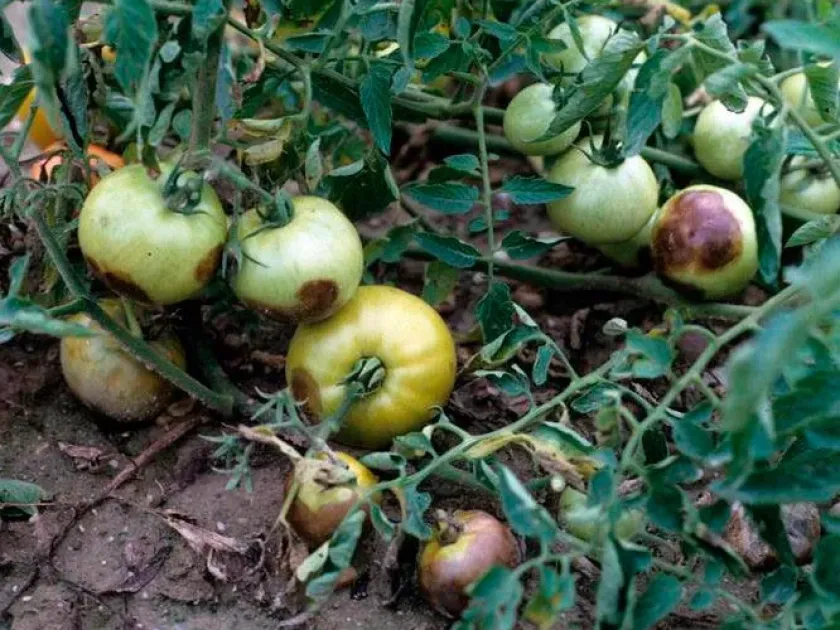
The broad host range of this pathogen includes various solanaceous crops like tomatoes, peppers, and eggplants, which complicates crop rotation strategies on farms where tobacco is produced alongside other vegetables.
What it damages
Tobacco black shank is arguably the most economically devastating disease for tobacco production globally. It can cause total crop failure in heavily infested fields, leading to losses often exceeding 50% of the yield.
The pathogen destroys the root system and colonizes the stem, effectively cutting off the plant's nutrient and water transport channels. This leads to severe wilting, stunted growth, and death of the plant shortly after infection.
In greenhouses and seedbeds, the disease manifests as severe damping-off, wiping out entire trays of seedlings. This creates a critical shortage of planting stock, delaying the planting season and increasing production costs.
Quality of the harvested tobacco leaf is significantly reduced, even if the plant survives partial infection, due to physiological stress and reduced chemical composition of the leaf. This impacts both market value and usability.
The pathogen is easily disseminated by irrigation water, contaminated farming equipment, and muddy shoes, making it a difficult disease to contain once it has been introduced into a field environment.
When it appears
Disease development is favored by warm soil temperatures, typically between 20°C and 25°C (68–77°F). Excessive moisture from heavy rainfall or over-irrigation acts as a primary trigger for zoospore release and infection.
The pathogen cycle begins in the spring when soil warms up, allowing oospores to germinate. In nurseries, early symptoms may appear within weeks of seeding if the growing medium is contaminated.
Field epidemics often peak during mid-summer, following heavy rain events that saturate the soil. Drier, hotter periods may slow down the visible spread, but the pathogen survives in deeper, cooler soil layers.
As the season ends, the pathogen returns to a dormant state as oospores within plant debris left in the field. These survive the winter until the next season's favorable conditions initiate another cycle of infection.
Greenhouse conditions with poor ventilation and high humidity foster rapid secondary spread. Condensation dripping from roofs onto healthy plants is a frequent mode of transmission in protected tobacco cultivation.
Signs of infestation
The hallmark symptom is a sudden, permanent wilting of the plant. Unlike temporary heat-induced wilting, plants affected by black shank do not recover at night and eventually turn yellow and die.
- Blackened, necrotic stem bases;
- Discolored brown or black roots;
- Darkening of the pith (internal stem tissue) with a characteristic disk-like layering;
- Brown to black discoloration of the vascular system;
- Presence of a foul odor in advanced stages of root decay.
Upon cutting the stem longitudinally, one will often find a brown discoloration of the internal tissues. This necrotic tissue blocks water movement, which is the direct cause of the plant's rapid collapse.
In seedlings, the disease causes black, shriveled stems at the soil line (damping-off). Infected roots of larger plants often slough off their cortex, leaving only the central vascular core behind.
In some cases, especially under high humidity, a sparse, whitish fungal-like growth (mycelium) may be visible at the base of the stem or on the soil surface near the affected plant.
Control measures
The primary control measure is the implementation of long-term crop rotations, keeping tobacco off infested land for at least 4–5 years. Avoiding solanaceous crops in the rotation is essential for success.
Soil fumigation or solarization prior to planting is highly recommended for greenhouse soil or heavily infested nursery beds. Using disease-free, certified seeds and resistant cultivars is the most effective way to minimize losses.
Biological control agents, such as Trichoderma species, can be integrated into the soil to provide a suppressive environment against the pathogen. These are best used as a preventative measure throughout the growing season.
Chemical control involving systemic fungicides, such as metalaxyl or mefenoxam, is standard practice in high-risk areas. These should be applied preventatively or at the absolute first indication of disease symptoms.
Sanitation practices, including cleaning farm machinery between fields and destroying infected plant debris after harvest, are crucial to prevent the further spread of Phytophthora nicotianae within the farm.
Causes diseases · 5
Discussion
No discussions yet — be the first.