
Phytophthora kernoviae
Phytophthora kernoviae
Description
How to identify
Phytophthora kernoviae is a soil-borne oomycete pathogen that mimics fungal characteristics but is taxonomically classified as a protist. It is a highly aggressive organism known to cause significant damage to woody perennials and various forest species.
This pathogen is recognized as a serious threat to biodiversity and nursery stock. Its biological cycle is heavily dependent on moisture, as it produces motile zoospores that can navigate through water films to reach new host tissues, making it an extremely difficult pathogen to contain in wet environments.
What it damages
The host range of this pathogen is remarkably broad. It primarily affects tree species like the European beech (Fagus sylvatica) and various shrubs, particularly members of the Ericaceae family such as rhododendrons.
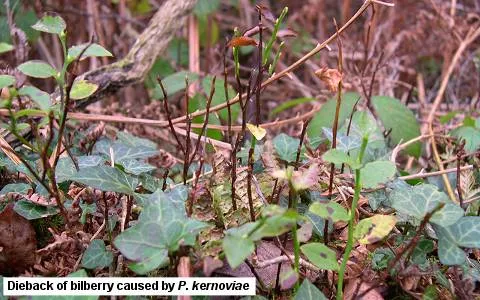
The damage caused by P. kernoviae typically manifests as stem lesions and bark necrosis. When these lesions encircle the stem or trunk, they effectively cut off the nutrient flow, leading to the rapid dieback of branches and, in many cases, the eventual death of the entire plant.
When it appears
Phytophthora kernoviae thrives in cool, wet conditions, making spring and autumn the most critical periods for disease outbreaks. Prolonged rainy weather provides the necessary water films for zoospore production and dispersal.
The pathogen is highly opportunistic and spreads rapidly through wind-blown rain, contaminated soil movement, and the transport of infected plant material. High humidity and cool soil temperatures are ideal for its survival and proliferation in the environment.
Signs of infestation
Key symptoms include the development of dark, necrotic spots on leaves, which often spread rapidly to the leaf petioles. Infected leaves may wilt and drop prematurely, leading to severe defoliation of the canopy.
Bleeding cankers on the stems are a hallmark sign of this pathogen. When the bark is peeled back, the underlying tissue exhibits a distinct dark brown discoloration, signifying the advancement of the mycelium within the woody tissues of the host.
Control measures
Management of this pathogen focuses primarily on exclusion and strict quarantine measures to prevent its introduction into new areas. Nurseries must ensure that all plant stock is certified and screened regularly for signs of infection.
Cultural control involves the removal and destruction of infected plant debris to reduce the inoculum pressure. Chemical control is limited, but systemic fungicides, specifically phosphonates, may be used as a prophylactic measure to improve the defense mechanisms of healthy plants in exposed areas.
Causes diseases · 1
Discussion
No discussions yet — be the first.