
Phytophthora cryptogea
Phytophthora cryptogea
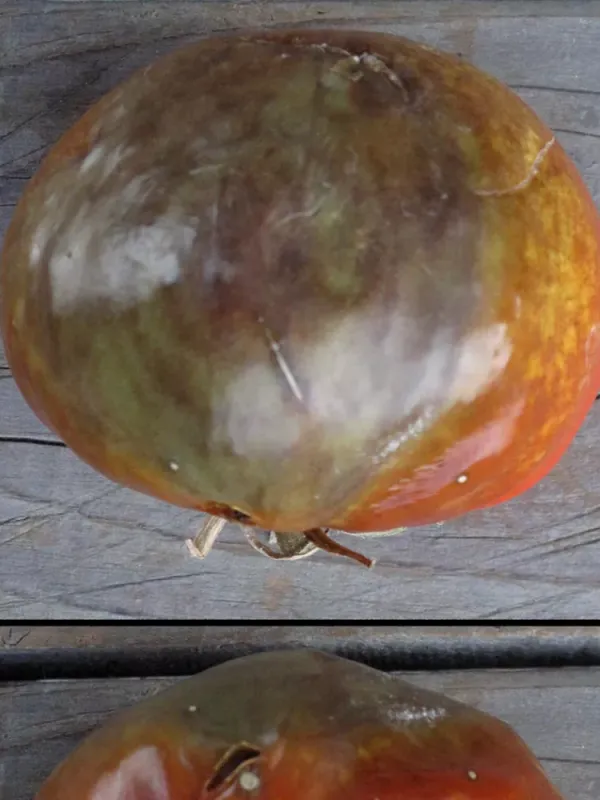
Description
How to identify
Phytophthora cryptogea is an oomycete pathogen belonging to the Stramenopila kingdom. It acts as a persistent soil-borne organism capable of surviving in substrates for long periods as oospores and chlamydospores until favorable environmental conditions occur.
This pathogen is highly mobile in water due to its flagellated zoospores, which facilitate spread through irrigation water or saturated soil. Infection typically begins at the root system, where the mycelium penetrates vascular tissues and disrupts water and nutrient uptake.
Identification often requires culturing on selective media in laboratory settings, where it produces characteristic colony patterns. In the field, symptoms can be easily confused with other root-rotting fungi or bacterial wilts, making precise diagnosis essential.
As a polyphagous organism, it affects a wide range of agricultural, horticultural, and ornamental plants. Its ability to proliferate rapidly in high-moisture conditions makes it a significant risk factor in commercial greenhouse production.
The severity of an outbreak is closely linked to soil temperature and oxygen levels. Areas with poor drainage or over-irrigation are particularly prone to rapid colonization by this destructive pathogen.
What it damages
The primary damage occurs in the roots and the crown of the plant. Phytophthora cryptogea induces progressive root decay, leading to significant yield loss and plant mortality in both protected and open field conditions.
Affected crops include tomatoes, peppers, eggplants, and various ornamentals like chrysanthemums and gerberas. Greenhouse systems using hydroponics are particularly susceptible due to the recycling of water, which aids pathogen dissemination.
Infected plants show suppressed growth and eventually collapse due to necrotized roots. Because the vascular system is compromised, plants exhibit permanent wilting symptoms, which do not resolve even when soil moisture is adequately maintained.
Economic losses are severe, ranging from a reduction in marketable plant quality to total crop failure. In professional nurseries, a single contaminated water source can lead to the loss of entire production batches.
For perennial crops, chronic infection leads to a slow decline, resulting in sparse stands and significantly reduced longevity of the plantation.
When it appears
The pathogen is most active during periods of high soil moisture and moderate temperatures. Excess water from heavy rain or improper irrigation management triggers the release of zoospores, which are the primary infectious stage.
In greenhouse settings, the disease can persist year-round if humidity and substrate moisture levels remain elevated. Temperatures between 15°C and 25°C are optimal, accelerating the pathogen's life cycle and infectious potential.
Symptoms are most noticeable during the active growing phase when root demand is high. Soil compaction, which limits aeration, is a major environmental trigger that promotes the development of Phytophthora infections.
Oospores are extremely resistant and can survive in the soil for several years. They serve as a persistent reservoir, ensuring that the pathogen remains present even after non-host crops have been grown.
Transplanting is a critical window for infection. Minor root damage sustained during the transplanting process provides easy entry points for the pathogen to colonize the root system.
Signs of infestation
Initial signs include chlorosis of the leaves followed by a loss of turgor and wilting. Plants may appear limp during the day and regain turgor at night; however, as the root system decays, the wilting eventually becomes permanent.
Examining the root system reveals browning and decay. The roots become soft, mushy, and often emit a distinct foul odor caused by the activity of secondary bacteria and saprophytic organisms.
A cross-section of the stem at the crown often shows brown discoloration of the vascular tissues, indicating systemic infection. In some hosts, a reddish-brown lesion may form at the soil line.
Stunted development is common, with affected plants appearing noticeably smaller and less vigorous than healthy counterparts. As the infection progresses, the necrotic tissue spreads from the roots upwards.
- Yellowing and wilting of lower foliage.
- Root system darkening and tissue decay.
- Vascular necrosis at the stem base.
- Sudden plant collapse in saturated soil patches.
Control measures
Cultural management starts with ensuring excellent soil drainage to prevent waterlogging. Practicing crop rotation and avoiding sites with a history of Phytophthora outbreaks are essential preventive steps.
The use of certified disease-free planting material and sterilized substrates is critical. Steam sterilization of soil or treated media is highly effective at reducing the initial pathogen load in greenhouses.
Chemical control involves the application of fungicides targeting oomycetes, such as phenylamides (e.g., metalaxyl or mefenoxam). These should be applied preventatively or at the first sign of symptoms for maximum efficacy.
Biological control agents, such as specific strains of Trichoderma or Bacillus subtilis, can be used to colonize the root zone, suppress pathogen development, and strengthen plant resistance.
Upon detection of infection, affected plants should be immediately rogued along with the surrounding soil. Tools must be disinfected, and surrounding plants should be treated or isolated to contain the spread.
Causes diseases · 2
Discussion
No discussions yet — be the first.