
Phytophthora cinnamomi
Phytophthora cinnamomi
Description
How to identify
Phytophthora cinnamomi is a devastating soil-borne water mold (oomycete) within the Kingdom Chromista, known as one of the most aggressive plant pathogens globally.
Unlike true fungi, this organism thrives in aquatic environments, utilizing motile zoospores to navigate through moist soil and water films to locate new host plant roots.
It possesses a remarkable ability to survive adverse environmental conditions by producing chlamydospores, which allow the pathogen to remain dormant in the soil for years.
The pathogen infects the root system of host plants, colonizing the tissues and effectively disrupting the vascular system's ability to transport water and essential nutrients.
Diagnosis usually requires laboratory analysis, such as ELISA or PCR techniques, due to the subtle early symptoms that often mimic drought stress or nutrient deficiencies.
What it damages
This pathogen has a vast host range, affecting thousands of plant species, including commercially important crops like avocado, pineapple, macadamia, and numerous ornamental shrubs.
The primary damage involves the destruction of fine feeder roots, which prevents the plant from absorbing moisture, leading to rapid decline and subsequent plant death.
In forest ecosystems, P. cinnamomi causes significant ecological disruption, killing vulnerable native flora and permanently altering biodiversity and habitat structure.
Nurseries and orchards are particularly at risk, where the pathogen can spread rapidly through irrigation systems, contaminated containers, and shared soil media.
Economic losses are profound, impacting both small-scale farming operations and large commercial plantations, often requiring total soil replacement or orchard abandonment.
When it appears
The pathogen is most active during warm and wet conditions, with an optimal temperature range for infection typically between 20°C and 30°C.
High soil moisture is a critical environmental requirement; saturated soils facilitate the release and dispersal of zoospores throughout the root zone of susceptible plants.
The infection period usually peaks during rainy seasons, especially in areas with poor drainage or where irrigation practices lead to prolonged periods of waterlogging.
While activity slows in colder temperatures, the pathogen remains viable in the soil, ready to resume rapid growth as soon as seasonal temperatures and moisture levels rise.
Human activities, such as moving soil or machinery during the wet season, significantly accelerate the pathogen's dispersal across unaffected fields and regions.
Signs of infestation
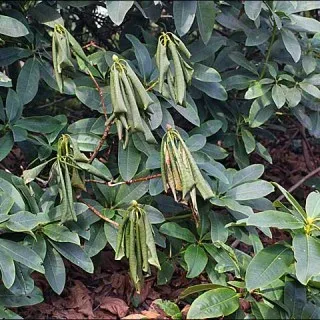
The initial signs of infection often present as wilting leaves, especially during the heat of the day, which may initially seem to recover at night.
As the disease progresses, the foliage shows signs of chlorosis, premature senescence, and dieback, eventually leading to a thinning crown and total branch mortality.
Below ground, the fine root system becomes necrotic and brittle, turning from a healthy creamy color to a dark, decaying brown or black appearance.
In some woody hosts, infection can progress to the stem, resulting in visible cankers at the collar, sometimes accompanied by sap or resin bleeding on the bark surface.
- Foliar wilting and yellowing
- Root system decay and browning
- Dieback of stems and branches
- Premature leaf drop
- Presence of collar cankers
Control measures
Strict quarantine and biosecurity measures are the first line of defense, ensuring that only pathogen-free planting material enters the site or nursery.
Improving soil drainage and site topography is essential to minimize standing water, thereby reducing the environmental conditions favorable for zoospore migration.
Systemic fungicides, specifically those based on phosphite (phosphonate) chemistry, are highly effective at enhancing the plant's natural defense response against oomycete infections.
Sanitation practices, including the sterilization of tools and footwear between working areas, are vital to preventing the inadvertent transfer of contaminated soil.
Biological control methods involving the integration of suppressive composts and antagonistic microorganisms can provide long-term protection by colonizing the rhizosphere and limiting pathogen success.
Causes diseases · 1
Discussion
No discussions yet — be the first.