
Pectobacterium atrosepticum
Pectobacterium atrosepticum
Description
How to identify
Pectobacterium atrosepticum is a Gram-negative, rod-shaped bacterium within the Pectobacteriaceae family. As a significant phytopathogen, it produces pectinolytic enzymes that dissolve plant cell wall components, leading to tissue maceration and total collapse of the plant structure.
Taxonomically, it belongs to the genus Pectobacterium. Previously classified under the genus Erwinia, it is now recognized as a distinct species primarily responsible for specific symptoms in potato crops under cool, wet temperate conditions.
The survival mechanism of this pathogen involves persistence in infected potato tubers and infested soil. It can also colonize the rhizosphere of non-host plants or remain latent within weed species, acting as a reservoir for subsequent seasonal infection.
Its biological cycle is strongly influenced by environmental moisture levels. Upon infection, the bacteria multiply rapidly in the intercellular spaces, utilizing the degradation products of host tissues as a nutrient source to continue their aggressive colonization.
The economic impact of this pathogen is significant worldwide. In addition to yield losses in the field, it contributes to major storage losses, often exacerbating other secondary infections that result in the total decay of stored potato stocks.
What it damages
The primary host for this bacterium is the potato plant. It causes devastating blackleg in growing stems and severe soft rot in tubers. Other hosts include various vegetables such as carrots, onions, and certain ornamental species under high humidity conditions.
When it appears
Disease development is most rapid during cool, wet springs and humid summer periods. The bacteria enter the host through lenticels, mechanical wounds, or natural openings, spreading rapidly through the vascular tissues when environmental conditions are conducive.
Signs of infestation
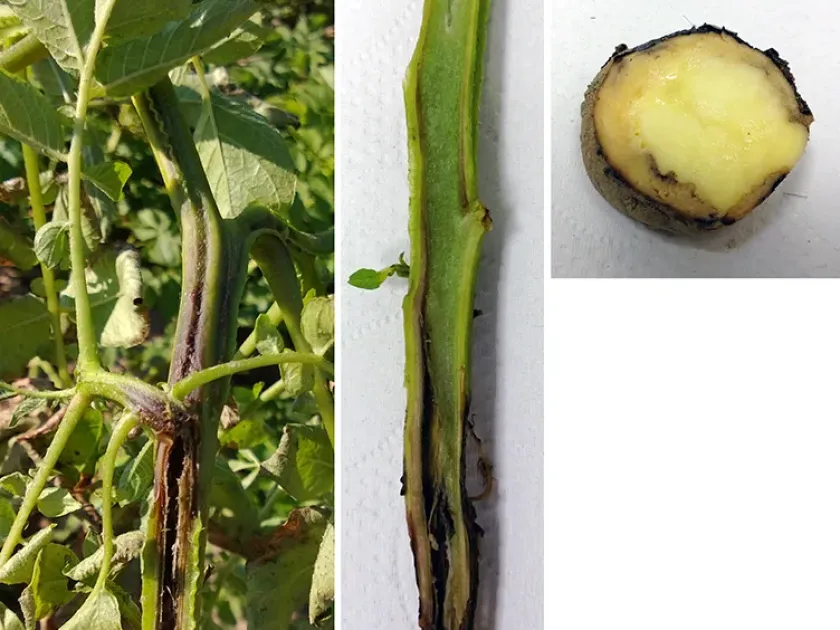
Initial field signs include wilting, chlorosis of the foliage, and a distinct darkening or blackening of the stem base (blackleg). Infected plants are typically stunted and can be easily pulled from the ground due to the disintegration of the root system.
In tubers, the symptoms are characterized by tissue softening and liquefaction. The decayed tissue often exhibits a creamy texture and a foul smell, typically demarcated from healthy tissue by a dark brown or black margin, which is highly diagnostic.
Control measures
Integrated pest management (IPM) is essential for controlling Pectobacterium atrosepticum. As there are no curative chemical treatments, prevention is the primary strategy for managing this bacterial disease.
- Sourcing certified, disease-free seed tubers for all plantings.
- Implementing strict sanitation protocols for farm machinery and storage facilities.
- Removing and destroying symptomatic plants throughout the growing season to reduce inoculum.
- Maintaining optimal ventilation in storage to prevent tuber surface moisture.
- Rotating crops to break the cycle of soil-borne bacterial populations.
Discussion
No discussions yet — be the first.