
Nigrospora oryzae
Nigrospora oryzae
Description
How to identify
Nigrospora oryzae is a well-known fungal pathogen belonging to the division Ascomycota. It is recognized primarily as a saprotroph that can opportunistically act as a parasite, affecting rice plants when their defense mechanisms are weakened by stress or environmental conditions.
The fungus is characterized by the production of velvety, jet-black colonies. Its conidia are distinct: they are globose to slightly flattened, dark-brown to black in color, and shiny, which provides a clear identification marker under laboratory analysis.
The life cycle of the pathogen is centered around survival on crop debris and in the soil. Under favorable conditions, such as high humidity and moderate heat, the fungi produce an abundance of spores which are dispersed by wind, rain, and insect vectors to nearby plants.
The pathogen is highly adaptable and can survive in various environments, often waiting for the right conditions to infect the maturing rice crop. It is particularly noted for its ability to persist in fields long after the harvest is complete.
In agronomic terms, it is considered both a soil-borne and seed-borne disease, making it a significant challenge for seed production and quality assurance in major rice-growing regions globally.
What it damages
The primary host is rice, but Nigrospora oryzae can also infect other grasses. The damage is most severe during the heading and grain-filling stages, where the fungus directly interferes with the development of the grain.
Infection results in discoloration, shriveling, and loss of viability of the seeds. The affected kernels often become blackened and empty, significantly reducing both the total yield and the commercial value of the harvest.
While the most visible damage occurs in the panicles, the fungus can also colonize the stalks and leaves. This leads to premature senescence of the plant tissues, which limits the photosynthetic capacity and reduces the overall vigor of the crop.
Beyond quantity, the quality of the rice is severely compromised. Contaminated seeds are unsuitable for planting due to low germination rates, and the grain may accumulate fungal metabolites that pose safety risks for food and feed applications.
The economic impact is multifaceted, affecting farmers through direct yield loss, reduced seed quality, and the necessity for costly post-harvest sorting and chemical treatments to manage the infection in stored grains.
Signs of infestation
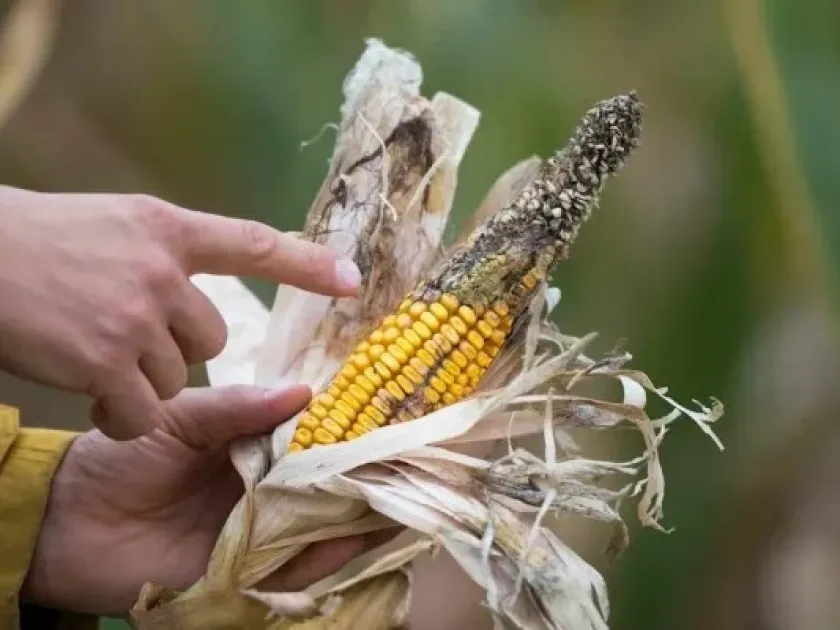
The most diagnostic sign of the infection is the appearance of a dusty, coal-black layer of spores on the panicles and stalks. This black soot-like powder is easily dislodged upon contact.
On individual grains, the infection manifests as a darkening process that often starts from the base or the tip. As the disease progresses, the entire kernel becomes shriveled, brittle, and black, losing its structural integrity.
When the stalks are infected, particularly at the nodes, the tissue may darken and weaken. This can lead to localized rot, which interferes with the plant's vascular system, potentially causing the panicles to droop or fail to fill properly.
- Velvety black fungal growth on panicles.
- Sooty black powder covering the seed surface.
- Shriveling and discoloration of the kernels.
- Loss of seed embryo viability.
- Necrotic patches on stems and leaf sheaths.
Field identification involves surveying the crop for these characteristic blackened areas, especially in low-lying, damp sections of the field where environmental conditions favor rapid fungal sporulation and colonization.
Control measures
The foundation of effective control is the use of high-quality, treated seed. Seed dressing with appropriate fungicides helps protect the germinating seedlings from soil-borne inoculum and initial infection cycles.
Cultural practices, such as crop rotation and the deep plowing of rice stubble, are essential. Burying plant debris helps accelerate decomposition, thereby reducing the amount of inoculum available to infect the subsequent season's crop.
Managing the water level in rice paddies is crucial for suppressing the disease. Maintaining proper water management helps prevent excessive humidity in the crop canopy, which is a key driver for the rapid spread of fungal spores.
Balanced fertilization, particularly adequate potassium supply, increases the plant's resistance to infection. Avoiding excessive nitrogen helps prevent rank growth, which makes the plants less susceptible to the penetration of the fungus.
In high-risk areas or under favorable weather conditions, targeted fungicide applications during the booting to flowering stages can provide significant protection to the developing panicles and minimize yield loss.
Causes diseases · 1
Discussion
No discussions yet — be the first.