
Gibberella fujikuroi
Gibberella fujikuroi
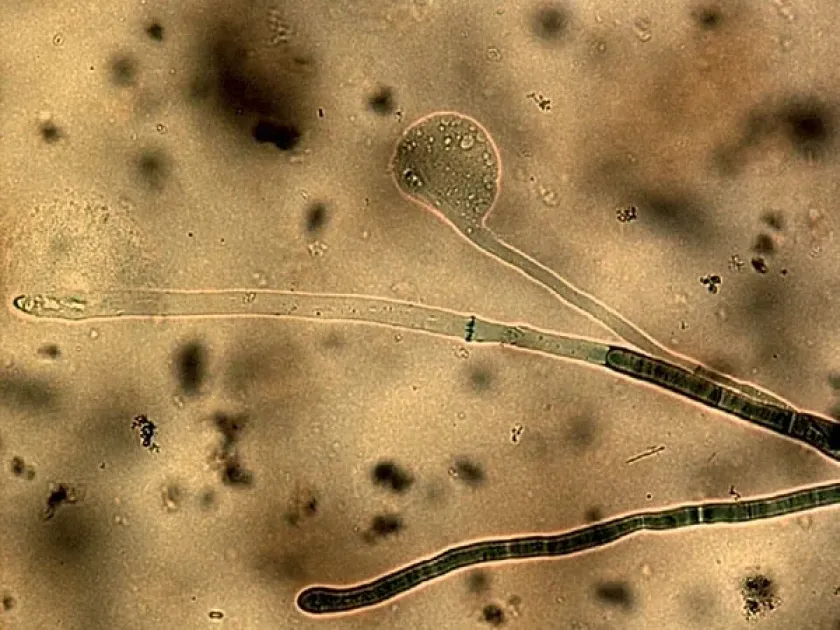
Description
How to identify
Gibberella fujikuroi is an ascomycete fungus belonging to the Hypocreales order, representing the teleomorph stage of the well-known pathogen Fusarium moniliforme. It is classified under the kingdom Fungi and is primarily recognized for causing the devastating Bakanae disease in rice crops.
Under microscopic observation, the fungus forms perithecia where ascospores develop. During the asexual stage, it produces microconidia, which are easily disseminated by wind and water splashes, ensuring the rapid spread of the fungus across fields during the growing season.
The organism is scientifically notable for its ability to produce gibberellins, a group of plant hormones. The excess secretion of these hormones within the host tissue triggers abnormal elongation and structural deformation of the plant, which is the hallmark of this pathogen's activity.
The fungus survives in soil, on crop residues, and within seeds. Because it can reside internally in seeds, it poses a significant threat as a seed-borne pathogen, making it difficult to manage without rigorous testing and chemical treatment of planting material.
Morphologically, the fungus is identified by the presence of sickle-shaped macroconidia and long chains of microconidia. Proper identification in laboratory settings requires isolating the fungus and analyzing its reproductive structures to distinguish it from other Fusarium species.
What it damages
The primary host of Gibberella fujikuroi is rice, where it causes the systemic Bakanae disease. The hormone imbalance induced by the pathogen leads to excessively long, pale, and spindly seedlings that eventually collapse or die before reaching the maturity stage.
In addition to rice, the fungus causes ear and stalk rot in maize (corn). This infection results in significant yield losses, as the pathogen degrades the grain quality and increases the risk of contamination with harmful mycotoxins, rendering the produce unfit for food or feed.
The damage caused by the pathogen includes reduced germination rates and weakened root systems. This systemic compromise makes the host plants highly susceptible to secondary infections and environmental stress, often resulting in severe crop thinning.
Infected plants often exhibit premature senescence, leading to lower biomass and reduced grain filling. In severe cases of infestation, the infection can destroy an entire field, causing substantial economic hardship for agricultural producers.
The presence of the fungus also creates international trade barriers, as many countries impose strict phytosanitary regulations to prevent the introduction of this pathogen into their territories via contaminated seed shipments.
Signs of infestation
The most distinctive sign of Bakanae disease is the abnormally rapid growth of seedlings, which tower over healthy plants. These infected seedlings appear yellow-green, thin, and possess underdeveloped root systems that fail to anchor the plant properly.
During the vegetative stage, the presence of the fungus is signaled by white or pinkish fungal mats (mycelium) appearing on the stems. This visible growth indicates active sporulation, which allows the pathogen to spread further throughout the rice field.
In maize, the signs include brown discoloration of the ears, which eventually become covered in a dense fungal layer. This rot destroys the kernels and may cause the entire ear to become mummified or soft, depending on the ambient humidity levels.
Leaf chlorosis is another common symptom, as the fungus disrupts the plant's nutrient and water transport mechanisms. Infected plants often show signs of wilting even when soil moisture levels are adequate, as the vascular system is compromised by fungal growth.
In the reproductive phase, the infection leads to partial or total sterility of the panicles. Infected heads often remain upright and empty, standing out against the normal, grain-laden panicles of healthy plants in the same field.
Control measures
The primary control measure is the use of certified disease-free seeds. Seed treatment with systemic fungicides is highly recommended to eliminate potential infection from both the surface and the inner parts of the seeds before planting.
Good agricultural practices, such as deep plowing to bury crop residues, are essential to break the survival cycle of the pathogen. Rotating crops with non-susceptible species can significantly reduce the inoculum pressure in the soil for the following seasons.
Applying fungicides during the early growth stages can help manage the development of the infection. Research focuses on using specific triazole and benzimidazole derivatives, which are effective in inhibiting the fungal growth cycle within the plant tissue.
Maintaining proper water management in rice paddies is crucial, as standing water at high temperatures promotes spore germination and movement. Monitoring fields closely and removing symptomatic plants manually can help limit the spread of the disease.
- Use of certified, treated seeds.
- Proper crop rotation to reduce soil inoculum.
- Deep burial of infected crop residues.
- Timely application of systemic fungicides.
- Regular field scouting for early detection.
Causes diseases · 3
Discussion
No discussions yet — be the first.