
Dickeya chrysanthemi
Dickeya chrysanthemi
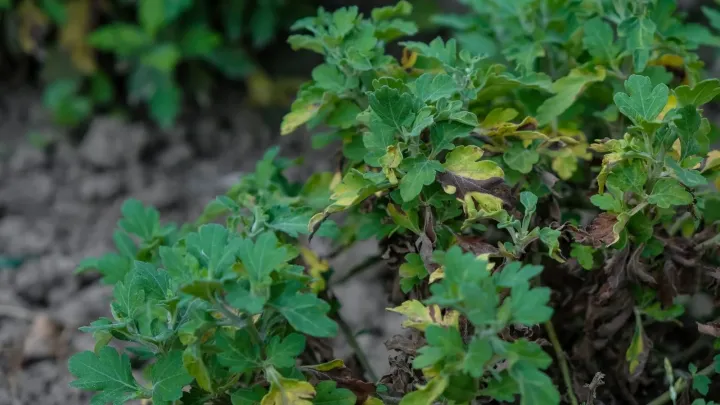
Description
How to identify
Dickeya chrysanthemi is a Gram-negative, facultative anaerobic bacterium belonging to the Pectobacteriaceae family. It is a highly aggressive phytopathogen known for causing significant soft rot diseases in a wide range of plants.
The pathogen utilizes a complex system of extracellular enzymes, primarily pectate lyases, to degrade plant cell wall components. This process leads to the maceration of plant tissues, turning them into a soft, mushy mass.
This bacterium is primarily spread through contaminated vegetative propagules, such as cuttings or tubers. Water, soil, and contaminated tools also serve as major vectors for transmission within greenhouse environments.
Identification is typically achieved through molecular techniques like PCR or metabolic profiling. Because it shares characteristics with other soft-rot bacteria, precise laboratory diagnosis is essential for effective management.
The organism thrives in warm, humid conditions, with optimal temperatures for growth typically ranging between 25°C and 30°C. These conditions frequently occur in intensive greenhouse production systems.
What it damages
While originally associated with chrysanthemums, Dickeya chrysanthemi has a very broad host range. It affects numerous ornamental plants, vegetable crops, and succulent species, posing a severe threat to commercial floriculture.
Affected crops include potatoes, dahlias, calla lilies, philodendrons, and various greenhouse-grown vegetables. The pathogen is capable of causing systemic infection, spreading from roots or wounds throughout the vascular system.
The economic impact is profound, as the bacterium can destroy entire batches of cuttings or planting material. Infections often manifest rapidly, leaving little time for intervention once symptoms appear.
Beyond crop loss, the presence of this pathogen imposes strict quarantine restrictions in many regions, hindering the international trade of ornamental plant materials.
The ability of the bacterium to survive in the environment and latent infection of asymptomatic host plants make it a particularly challenging pest for nursery managers to eradicate.
Signs of infestation
The first external symptom is often temporary wilting during the heat of the day, with recovery occurring at night. As the infection progresses, wilting becomes permanent due to vascular failure.
Stem lesions appear as water-soaked, dark, or translucent spots that expand rapidly. Infected tissues become soft and watery, often emitting a strong, foul-smelling odor due to the action of bacterial enzymes.
In many hosts, the pith of the stem becomes hollowed out and slimy. When cross-sectioned, the vascular bundles of the plant show characteristic browning or blackening, indicating systemic colonization.
Under high humidity, a bacterial ooze may be visible on the surface of infected parts. This substance is densely packed with bacteria and acts as a primary source of inoculum for neighboring plants.
In tubers or bulbs, the infection leads to extensive decay. The interior of the organ often collapses into a wet, dark mass, effectively destroying the plant's food storage and regeneration capacity.
Control measures
The primary control measure is the exclusive use of pathogen-free, certified stock. Implementing a strict phytosanitary program for all incoming plant material is essential to prevent the introduction of the bacteria.
Sanitization of tools is critical. Pruning shears and knives should be disinfected between each plant using 70% ethanol or approved disinfectant solutions to stop the mechanical spread of the pathogen.
Environmental management focuses on humidity control. Reducing overhead irrigation, ensuring adequate spacing between plants, and providing excellent ventilation can significantly limit the pathogen's ability to infect.
Effective management includes the immediate roguing of symptomatic plants. Infected individuals should be removed carefully, including the root ball, and destroyed to prevent soil and water contamination.
While some chemical treatments are available, they are often ineffective once the pathogen is systemic. Therefore, hygiene and preventive cultural practices remain the cornerstones of long-term disease management.
Discussion
No discussions yet — be the first.