
Cladosporium mold
Cladosporium cladosporioides
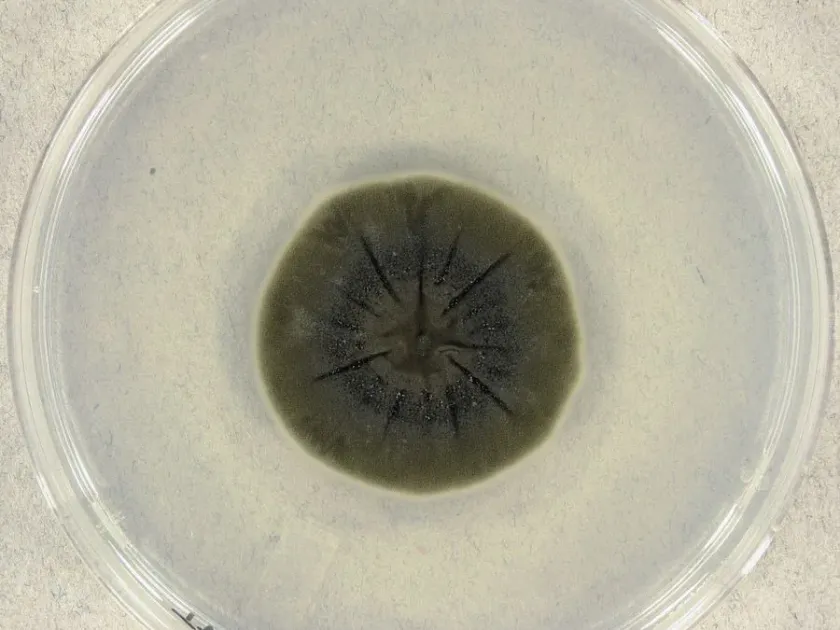
Description
How to identify
Cladosporium cladosporioides is a common fungus belonging to the kingdom Fungi and the genus Cladosporium. It is an anamorphic fungus that exists widely in nature and can act as both a saprophyte on decaying matter and a parasite on stressed host plants.
The fungus is characterized by the production of branched conidiophores that bear long chains of lemon-shaped, smooth-walled conidia. These spores are highly resilient and easily dispersed by air currents, making the pathogen a ubiquitous environmental presence.
What it damages
This pathogen has a wide host range, including tomatoes, cucumbers, cereals, and various fruit trees. It causes significant damage by reducing the photosynthetic surface area and inducing early senescence of the foliage.
Economic damage is substantial in greenhouse environments where the pathogen affects fruit quality. Infested produce becomes blemished, softened, and susceptible to secondary infections, rendering it unacceptable for fresh market sale.
When it appears
The pathogen thrives in high-humidity conditions (above 80% relative humidity) and temperatures ranging from 15°C to 25°C. Outbreaks are most common during periods of prolonged leaf wetness or poor ventilation in confined growing structures.
Signs of infestation
The disease typically begins as small chlorotic spots on the lower leaves. These spots soon expand into irregular necrotic lesions covered with a dense, dark olive-green to brown velvety mat of fungal sporulation.
Severe infestations lead to massive leaf chlorosis and necrosis, causing the leaves to dry out and curl. On fruits, the fungus manifests as dark, sunken spots that may eventually spread to cover large areas of the surface.
Control measures
Control strategies focus on cultural practices, such as maintaining proper plant spacing, pruning to increase airflow, and managing irrigation to keep foliage dry. Ensuring adequate sanitation of greenhouses is critical to reduce initial inoculum levels.
Chemical control options include the prophylactic use of copper-based fungicides or the application of systemic products like triazoles or strobilurins. Regular monitoring and timely application are essential to prevent the establishment of the pathogen.
Causes diseases · 3
Discussion
No discussions yet — be the first.