
Burkholderia glumae
Burkholderia glumae
Description
How to identify
The pathogen is a gram-negative, motile, rod-shaped bacterium belonging to the family Burkholderiaceae. It is recognized as a serious seed-borne and soil-borne pathogen affecting rice cultivation globally.
The bacterium produces a powerful phytotoxin called toxoflavin, which is essential for its virulence. This toxin disrupts the normal physiological functions of the host plant, leading to cell death.
In the environment, the pathogen persists in infested seeds, soil, and irrigation water, making it difficult to eradicate completely from infected fields.
Identification is typically achieved through molecular techniques like PCR, which allow for the specific detection of the pathogen's genomic markers in both seeds and plant tissues.
It thrives in humid environments, displaying a high capacity for rapid colonization when temperature and moisture conditions are optimal for its development.
What it damages
Burkholderia glumae primarily causes bacterial panicle blight in rice, which manifests as significant yield losses and severe degradation of grain quality.
In addition to rice, the pathogen has a wide host range, including crops like onions, eggplants, and various ornamental plants, complicating management in diverse cropping systems.
Damage is characterized by the failure of panicles to develop properly, resulting in sterile or shriveled grains that possess no agricultural or nutritional value.
Systemic infections can lead to the wilting and death of entire plant parts, significantly reducing the overall vigor and productivity of the rice stand.
In epidemic years, yield losses can range from 30% to over 70%, making this pathogen a critical threat to food security in rice-growing regions.
When it appears
The most critical window for infection is during the flowering and grain-filling stages of rice, when the plant is highly susceptible to colonization by the bacterium.
Warm temperatures, generally between 25°C and 35°C, coupled with frequent rainfall, create perfect conditions for the pathogen to spread throughout the crop canopy.
The disease cycle often starts with contaminated seeds that introduce the pathogen into the field, where it begins to multiply upon germination.
Secondary infections occur via rain splashes or irrigation water movement, which carry the bacteria from infected plants to healthy panicles during the growing season.
Prolonged high humidity levels are essential for the bacterium to move and infect new tissues, linking the severity of the disease directly to local weather patterns.
Signs of infestation
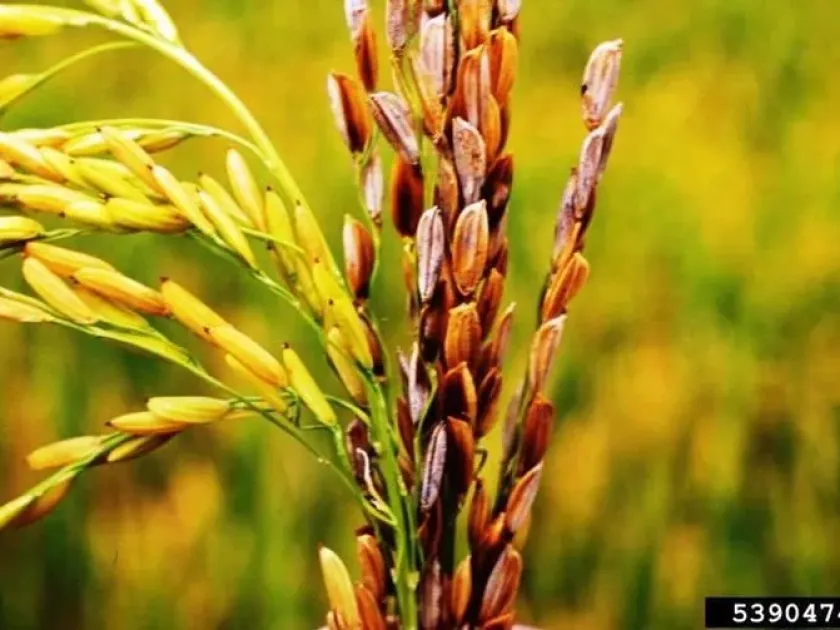
The initial signs of infection include the discoloration of panicle branches, which turn from a healthy green to a light gray or dark brown color.
Infected grains often appear empty or discolored and may exhibit a foul, putrid odor if conditions are sufficiently moist and warm during the infection process.
- Dark brown necrosis at the base of the panicle;
- Failure of grain filling (blighted panicles);
- Rapid wilting and necrosis of reproductive structures;
- Stunted growth of infected seedlings in early stages.
The transition between diseased and healthy tissue on the panicle is often sharp, which serves as a visual diagnostic marker in the field.
In early development, seedlings may exhibit rot shortly after emergence, causing significant thinning of the crop stand and necessitating replanting.
Control measures
The use of certified disease-free seed is the most effective preventative measure to ensure that the pathogen is not introduced into new growing areas.
Seed treatment with specific antibacterial agents or fungicides prior to planting can help reduce the initial inoculum load and protect the crop during emergence.
Balanced nitrogen fertilization is recommended to avoid excessive lush growth, which can make the crop more susceptible to bacterial infection during the flowering stage.
Water management strategies, such as draining fields at appropriate times, can help minimize the spread of the pathogen through irrigation systems.
Developing and utilizing resistant rice varieties remains the most sustainable approach to long-term control of this disease in endemic regions.
Discussion
No discussions yet — be the first.