
Black mold
Aspergillus niger
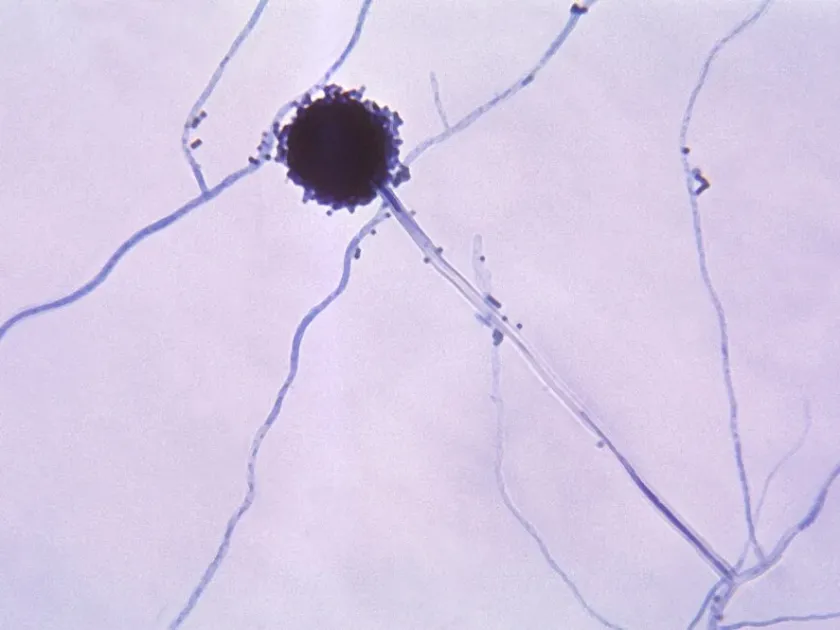
Description
How to identify
Black mold (Aspergillus niger) belongs to the kingdom Fungi, phylum Ascomycota, genus Aspergillus. It is a ubiquitous saprophytic and opportunistic pathogen capable of infecting both living plants and stored agricultural produce.
The fungus is identified by the formation of dense colonies characterized by a black, powdery coating consisting of masses of conidia. Its mycelium grows rapidly, penetrating plant tissues and breaking down structures through the active secretion of enzymes.
The pathogen demonstrates remarkable adaptability to various substrates and temperature conditions. It is recognized as one of the most aggressive fungal species responsible for causing "black mold" on a wide array of agricultural commodities.
Systematically, the species is identified by its large, globose conidial heads. The color of the spores ranges from dark brown to carbon black, which makes it easy to distinguish from other types of mold during visual inspection.
Its biological cycle includes asexual reproduction via conidia, which are dispersed by air currents, water, and insects. High sporulation rates ensure the rapid spread of infection within fields and storage facilities.
What it damages
Primary targets include vegetable, fruit, and industrial crops. The pathogen is most frequently encountered on onions, garlic, tomatoes, grapes, citrus fruits, apples, and various grain and legume seeds.
In onion and garlic crops, it causes a disease known as "black mold of onions." The pathogen invades through the neck or mechanical wounds, leading to progressive desiccation and decay of the plant's succulent scales.
On tomato and grape fruits, the fungus typically acts as a secondary infection, especially where skin cracking has occurred. This results in loss of marketability, tissue softening, and the development of necrotic lesions.
Stored grain is at risk of molding if humidity levels are not properly managed. During its metabolism, the fungus produces mycotoxins, such as ochratoxins, which render the produce unfit for human or animal consumption.
The economic impact stems from direct losses during storage and transit. Infected lots can quickly deteriorate, spreading the infection to healthy neighboring produce due to high concentrations of airborne spores.
When it appears
The peak of pathogen activity occurs during the second half of summer and autumn, coinciding with harvest operations. During this time, massive contamination of produce by spores present in the soil or air typically occurs.
In storage environments, the fungus can remain active throughout the year if temperature and humidity requirements are not met. High relative humidity (above 75%) is a key catalyst for the spread of the infection.
The temperature optimum for Aspergillus niger development is +25...+35°C. Consequently, disease outbreaks are most frequently recorded during hot periods or in poorly ventilated storage facilities.
In field conditions, the fungus becomes more active during prolonged rainy weather before harvest. Injuries caused by hail or insect pests create "entry gates" for the fungus, allowing it to penetrate tissues without resistance.
The spread of the pathogen during the growing season is closely linked to the activity of soil-dwelling pests that transfer spores onto fruit surfaces while creating micro-wounds.
Signs of infestation
The main sign of infection is the appearance of an abundant, dusty black coating on the surface of the plant tissue. Beneath the coating, the tissue often becomes soft, watery, or, conversely, dry and mummified.
- Development of black spots on the necks of onion bulbs.
- A characteristic dusty coating that spreads easily upon contact.
- Breakdown of the epidermis with underlying tissues exposed.
- A musty, damp odor emanating from infected produce.
- Gradual blackening of entire fruits or individual segments.
In infected seeds, germination rates and vigor are significantly reduced. Such seeds are often covered by mold during germination in the soil, leading to the death of seedlings before they emerge.
When infected fruits are cut, black spore masses are often found inside, filling the intercellular spaces. Secondary bacterial infections often exacerbate the decomposition process.
Early-stage diagnosis is difficult due to the hidden nature of the infection. However, careful visual inspection during the sorting process before storage helps mitigate potential losses.
Control measures
The basis of control is strict adherence to agronomic practices: timely harvesting, preventing mechanical damage to fruits, and thorough drying of produce before placing it into storage.
In storage, it is essential to maintain an optimal microclimate with humidity below 65% and an effective forced ventilation system. Disinfecting storage areas using fumigants or ozone treatment helps reduce the infectious load.
Fungicide application during the growing season is justified in regions with hot and humid climates. It is recommended to use copper-based products and systemic fungicides registered for specific crops.
An important preventive measure is the use of high-quality, treated seed material. Seed dressing reliably protects young seedlings from soil-borne infections during the critical early stages of development.
Growing cracking-resistant varieties and controlling pests that damage fruit skins lower the risk of black rot. Sanitary removal of crop residues from the field also limits the accumulation of the pathogen's inoculum.
Causes diseases · 3
Discussion
No discussions yet — be the first.