
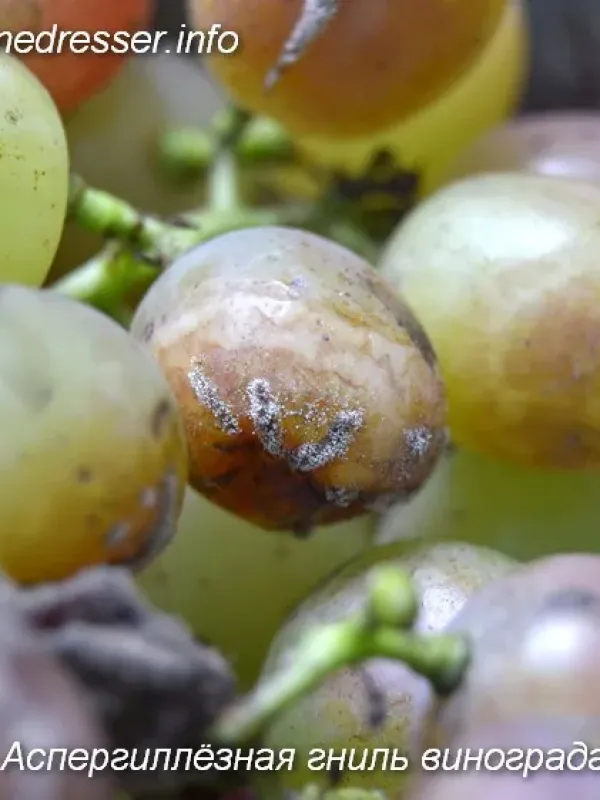
Description
Symptoms
The primary symptom is the colonization of the kernel surface by a characteristic dusty, yellow-green to olive-green fungal growth (mycelium and spores).
Affected kernels become discolored, shriveled, and soft. In advanced stages of rot, the inner tissue loses its structural integrity and becomes a powdery mass.
When infected nuts, such as almonds, are cracked open, a distinct musty or moldy odor is often detected, even before extensive colonization is visible.
External symptoms on the hull or shell may be absent, making the disease difficult to detect during harvest without destructive sampling of the kernels.
Infection often causes the kernel to darken and shrink, resulting in a significant reduction in quality and weight of the harvest.
Pathogen
The disease is caused by fungi of the genus Aspergillus, most notably Aspergillus flavus. These are common soil-borne saprophytes that act as opportunistic pathogens under favorable conditions.
As part of the Deuteromycetes group, these fungi produce vast amounts of conidia that are easily dispersed by wind, water splashes, and insect activity in orchards or fields.
The infection is classified as a rot affecting reproductive tissues. The pathogen is highly resilient, capable of persisting in soil and crop debris for several years.
A major biological concern with this genus is the potential to produce mycotoxins, specifically aflatoxins, which pose serious health risks to humans and animals upon consumption of infected produce.
Pathogen entry is frequently facilitated by physical damage caused by insects, birds, or environmental factors such as hull split in nut-bearing trees.
Conditions for development
High temperatures are essential for the rapid growth of the fungus. The pathogen thrives in warm environments, particularly when temperatures range between 25°C and 35°C.
High relative humidity during the ripening stage is a key driver for spore germination and colonization of the kernel tissues.
Insect damage is the most critical factor for infection, as feeding wounds provide direct access for fungal spores to reach the nutrient-rich interior of the nut.
Poor post-harvest practices, such as storing nuts with high moisture content in inadequately ventilated facilities, promote rapid mold growth.
Environmental conditions that lead to delayed harvest or wet weather during the harvesting process significantly increase the likelihood of Aspergillus contamination.
Why it matters
The disease causes substantial economic losses by rendering produce unsellable due to mold growth and the presence of dangerous mycotoxins.
Almond production is particularly susceptible, as the kernel is the main economic product, and even minor infections can lead to the rejection of entire batches.
Mycotoxin contamination is a major regulatory issue, as shipments exceeding aflatoxin limits are legally prohibited from sale for human consumption.
Infection leads to reduced kernel quality, loss of nutritional value, and decreased marketability of the final product.
The fungus can rapidly spread during storage, meaning that even a low level of field infection can lead to widespread losses in a warehouse environment.
Protection
Integrated Pest Management (IPM) is essential to control insect vectors that cause the wounding necessary for fungal entry into the kernel.
Effective orchard sanitation involves removing and destroying infected or mummified nuts that remain on the trees or the orchard floor to reduce inoculum pressure.
Rapid and uniform drying of nuts after harvest to a moisture content of 6% or lower is the most effective post-harvest management strategy.
Proper storage conditions, including cool, dry, and well-ventilated environments, are required to inhibit fungal metabolism and growth.
- Monitor insect populations and apply insecticides when necessary.
- Ensure rapid harvest to minimize exposure to field pathogens.
- Maintain clean and sanitized harvesting equipment.
- Use resistant cultivars when available.
- Perform regular testing for aflatoxin levels in storage batches.
Pathogens and affected parts
Affects crops · 1
Discussion
No discussions yet — be the first.