
Arthuriomyces peckianus
Arthuriomyces peckianus
Description
How to identify
Arthuriomyces peckianus is a systemic basidiomycete fungus that acts as an obligate parasite. It is specialized to infect plants of the genus Rubus, causing a severe condition known as orange rust, which spreads systemically throughout the host plant.
The life cycle of this pathogen is unique as it lacks alternate hosts, completing its entire development on the host plant. It survives winter as a perennial mycelium within the roots, stems, and buds of infected raspberry or blackberry plants.
Taxonomically, the fungus is classified within the Pucciniales order. Its ability to colonize the vascular system of the host makes it one of the most destructive diseases for bramble producers, as it permanently weakens the plant structure.
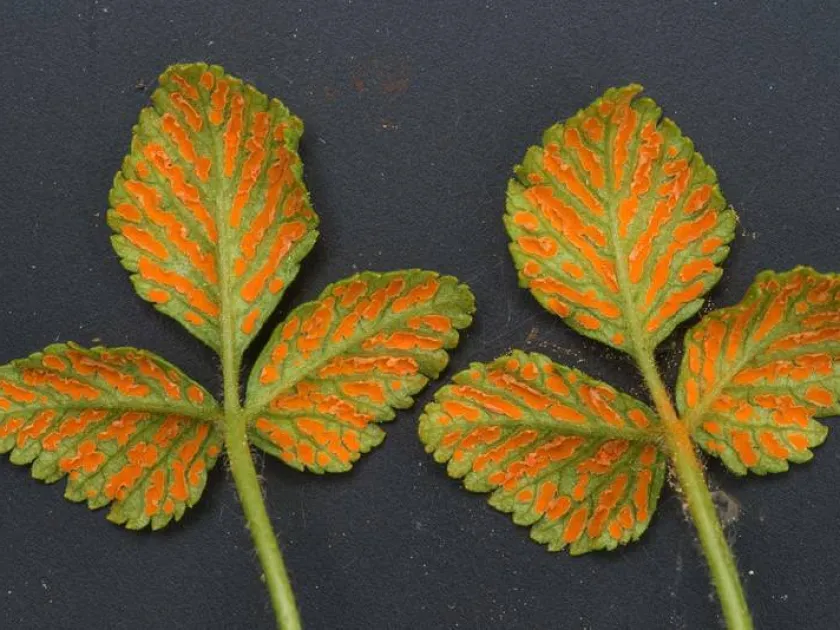
Laboratory identification relies on the morphology of the aeciospores, which appear in dense, vibrant orange clusters. These spores are essential for the survival and dispersal of the fungus during the growing season.
The fungus thrives in cool, moist environmental conditions. Its prevalence is highly dependent on humidity, which facilitates the germination of spores and the successful penetration of the host's newly developing tissues.
What it damages
The primary hosts of this pathogen are commercial and wild raspberries and blackberries. Once a plant is systemically infected, it becomes a permanent source of spores, as the fungus resides within the root system and crown.
The damage is systemic, leading to severe stunted growth and a significant reduction in photosynthetic surface area. Infected plants show distorted leaves and weakened stems, rendering them incapable of normal physiological function.
Fruit production is drastically reduced, often to the point of complete sterility. The energy that the plant should allocate to berry development is diverted to fighting the systemic infection, leading to a quick decline in vigor.
Due to the systemic nature of the fungus, there is no effective recovery for an infected plant. Once the disease is confirmed, the plant is typically considered lost, and it poses a constant risk to surrounding healthy plants.
Economic losses in nurseries and fruit farms are significant. Growers often face the necessity of removing entire rows or fields to eradicate the source of inoculum and prevent the disease from spreading throughout the entire farm.
When it appears
Symptoms become visible early in the spring as soon as new growth emerges. The pathogen wakes up with the host, extending its mycelium into the emerging buds and leaves, often showing yellowing before the spores appear.
The peak sporulation period occurs in late spring and early summer. This is when the characteristic orange powder (spores) covers the undersides of the leaves, spreading rapidly via wind and splashes of rainwater.
Temperature and moisture are the most critical factors for development. The pathogen prefers cool temperatures and high humidity, which are common during the spring months, enabling the disease to reach epidemic levels quickly.
During the summer and autumn, the external signs of the fungus may seem to diminish, but the internal colonization continues. The mycelium thrives in the hidden parts of the plant, preparing for winter dormancy.
Seasonal recurrence is guaranteed once a plant is infected. Because the mycelium survives in the crown, the disease will reappear every single spring with increased severity as the fungus spreads deeper into the root system.
Signs of infestation
The most diagnostic sign is the appearance of bright orange, powdery pustules on the underside of leaves. These pustules contain massive amounts of aeciospores that are easily released into the environment.
Stunted and deformed growth is a hallmark of this infection. Infected canes are often thinner than healthy ones, lack proper thorn development, and appear to be forced into a stunted, rosette-like growth habit.
Leaves are often smaller than normal, distorted, and show chlorosis, which eventually leads to premature drying and dropping. This indicates the systemic physiological stress imposed by the fungal colonization of the host's vascular tissues.
The overall vigor of the plant declines over time. As the mycelium occupies more of the root system, the plant becomes increasingly unable to transport nutrients, eventually dying back completely after several seasons.
- Vibrant orange powdery spore masses on leaves.
- Severe stunting and leaf distortion.
- Lack of flower and fruit development.
- Loss of thorn development on new canes.
- Premature yellowing and desiccation of foliage.
Control measures
The most effective management strategy is the physical removal and destruction of infected plants. It is crucial to dig out the entire root system to ensure that no mycelium is left in the soil, which could act as a source of future infection.
Prevention starts with using clean, certified nursery stock. Establishing new plantings with disease-free plants is the best way to avoid the introduction of this systemic pathogen into an environment.
Chemical control can be achieved through the application of fungicides, particularly those with systemic action or copper-based treatments. Timing is essential; applications should be made as a preventative measure early in the season.
Cultural practices such as improving air circulation through proper spacing and moisture management are important. Reducing leaf wetness duration can significantly hinder the germination process of the pathogen's spores.
Eliminating wild Rubus species from the vicinity of the plantation is vital. These wild plants often harbor the fungus and act as a hidden reservoir, allowing the disease to spill over into cultivated crops every season.
Causes diseases · 1
Discussion
No discussions yet — be the first.