
Angiosorus solani
Angiosorus solani
Description
How to identify
Angiosorus solani is a fungal pathogen belonging to the kingdom Fungi, phylum Basidiomycota, and class Ustilaginomycetes. It is recognized as a causative agent of smut diseases affecting members of the Solanaceae family.
As an obligate parasite, the pathogen completes its life cycle within host plant tissues. It is characterized by the formation of sori containing masses of dark, powdery teliospores, which facilitate its survival and dissemination in agricultural environments.
Accurate identification of the pathogen usually requires microscopic analysis of spore morphology. Due to the similarity of symptoms with other soil-borne diseases, molecular diagnostic techniques, such as PCR, are often employed for precise identification.
The pathogen is highly resilient to adverse environmental conditions, including desiccation and freezing, which allows it to persist in the soil for several growing seasons even in the absence of a host crop.
Research into this pathogen is ongoing, particularly regarding its ecological requirements and potential for rapid spread through international trade of plant materials, making it a subject of interest for plant quarantine services.
What it damages
The primary crop affected by Angiosorus solani is the potato (Solanum tuberosum). The pathogen infects tubers, where it replaces healthy plant tissue with fungal spore masses, rendering the product unmarketable and inedible.
The infection process starts in the soil, where spores invade tubers through natural openings like lenticels or through physical damage. Once inside, the fungus colonizes the starch-rich parenchyma tissues of the tuber.
Beyond direct tuber damage, the presence of the pathogen negatively affects the overall vigor of the potato plant. It may inhibit root development, leading to stunted vegetative growth and reduced tuber yields.
Solanaceous weeds in and around the field can act as secondary hosts, maintaining the inoculum levels. This makes the management of wild relatives of potato and tomato essential for limiting the pathogen's impact.
Significant economic losses occur due to total crop failure in heavily infested patches and the subsequent need for rigorous cleaning and disinfection of storage facilities and farming equipment.
Signs of infestation
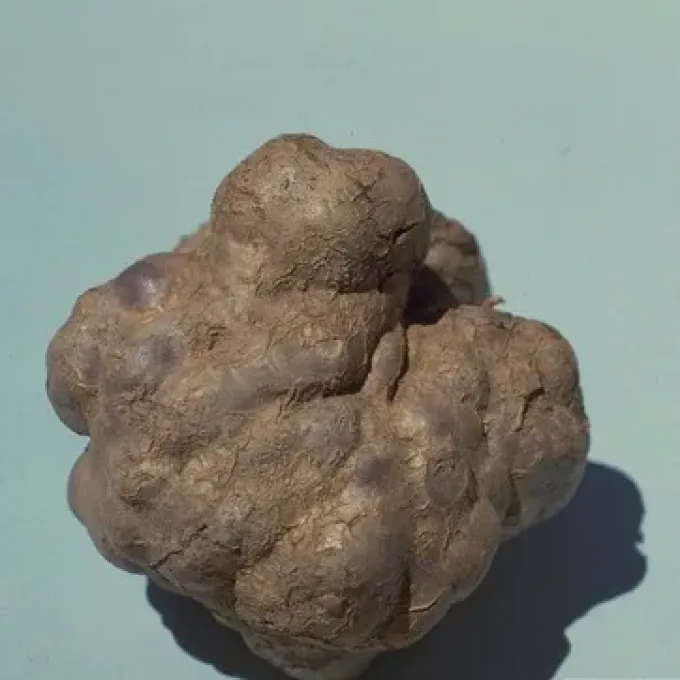
The initial signs of infection on the tuber surface include the appearance of dark, sunken spots. As the infection progresses, the skin becomes brittle and develops fissures or cracks, revealing the internal structure of the lesion.
A hallmark sign of the disease is the presence of cavities filled with a dark, powdery substance — the spores of the fungus. This material is typically dry and can easily disperse if the tuber is crushed or broken.
During the growing season, if the infection is systemic or starts early, plants may show symptoms of chlorosis and premature wilting. This is often observed when the vascular connection to the tuber is compromised.
When tubers are cut in half, the affected area is clearly distinguishable. The healthy tuber tissue is consumed and replaced by the fungal reproductive structures, often accompanied by a faint, musty odor.
- Sunken dark lesions on the tuber skin.
- Development of cracks and ruptures on the tuber surface.
- Powdery spore masses inside the tuber tissue.
- General plant stunting and early yellowing of leaves.
Control measures
The cornerstone of management is the use of disease-free, certified seed tubers. Ensuring that starting material is free from inoculum is the most effective way to prevent the introduction of the pathogen into new areas.
Implementing long-term crop rotation is essential. A break of 4–5 years between growing solanaceous crops helps significantly reduce the population of spores existing in the soil profile.
Cultural practices, including proper field drainage and deep plowing, can assist in reducing the survival rate of the fungus. Removing and destroying infested plant debris is also crucial for limiting the spread.
Chemical control measures typically involve the application of systemic fungicides to seed tubers before planting. This helps protect the young shoots from early infection during the emergence phase.
Post-harvest storage management plays a vital role. Storing tubers in cool, dry conditions with adequate ventilation prevents the rapid spread of the pathogen from infected to healthy tubers within the heap.
Causes diseases · 1
Discussion
No discussions yet — be the first.