
Description
Symptoms
Initial symptoms include the appearance of small, irregular necrotic spots on leaves and stems. As the infection progresses, these spots darken, often turning brown or black, and can coalesce to cover large areas of the foliage.
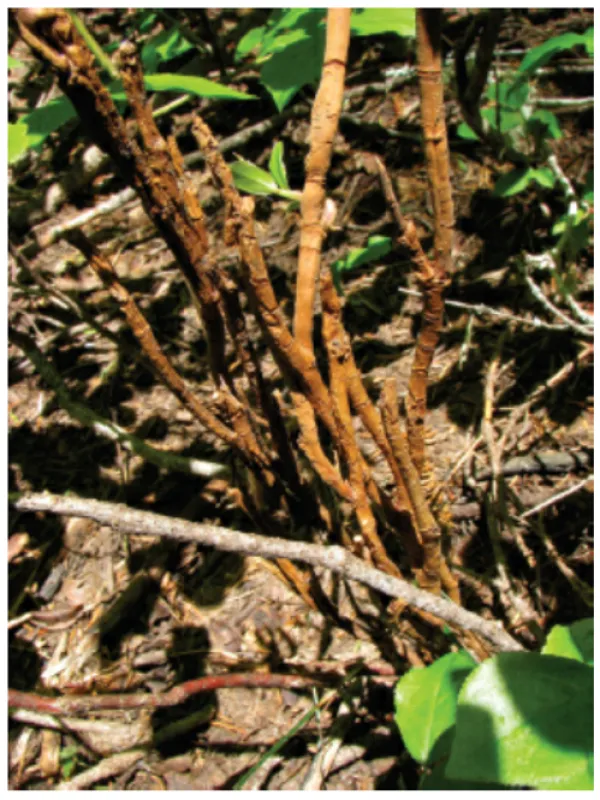
Infected stems show visible lesions that can cause girdling, leading to the withering and death of shoots distal to the infection site. This often manifests as a "dieback" appearance on parts of the lingonberry plant.
Fruit infection is the most damaging phase of the disease. Berries become soft and develop dark, sunken lesions. Eventually, the entire berry can become mummified, covered with tiny black pycnidia visible to the naked eye.
Foliage damage frequently leads to premature leaf senescence and drop, which reduces the plant's overall photosynthetic capacity and weakens it against subsequent environmental stresses or winter damage.
The presence of tiny, dark black fruiting bodies on the surface of necrotic tissues is a diagnostic hallmark of Allantophomopsis infection, distinguishing it from general physiological wilting or other leaf spots.
Pathogen
The disease is caused by fungi belonging to the genus Allantophomopsis, with Allantophomopsis cytisporea being the most recognized pathogen affecting lingonberry (Vaccinium vitis-idaea). These fungi are classified as coelomycetous pathogens.
The pathogen completes its life cycle by forming pycnidia—small, fruiting bodies—within the host plant's tissues. These structures protect the fungus and serve as the main source of inoculum, releasing conidia under favorable weather conditions.
The fungus is highly adapted to the lingonberry host and can survive in a saprophytic state on dead plant debris, such as fallen leaves, old stems, and unharvested mummified berries left on the plantation floor.
Spread of the infection is primarily driven by rain splash and high humidity, which facilitate the dispersal of spores from pycnidia to healthy parts of the plant, including shoots and developing fruit.
Research suggests that the pathogen is prevalent in both wild and cultivated populations, making it a persistent challenge for commercial berry production where intensive management is required.
Conditions for development
High humidity and moisture are the primary drivers of disease development. Frequent rainfall, heavy morning dew, and poor air circulation create the perfect microclimate for spore germination and infection.
Plantations with high planting density are particularly susceptible because they create a humid, stagnant environment that favors the survival and spread of the pathogen throughout the growing season.
Temperature plays a crucial role; moderate temperatures (15°C to 22°C) combined with high moisture levels accelerate the infection process and increase the frequency of sporulation cycles within the plant tissues.
Poor plantation hygiene is a major contributing factor. Failing to prune diseased stems or leaving fallen fruit and debris on the soil surface allows the fungus to overwinter and re-infect new growth in the spring.
Plants under nutritional stress or those suffering from previous mechanical damage are often more vulnerable to infection, as their ability to initiate a defense response is significantly compromised.
Why it matters
The primary economic harm is the reduction in marketable yield. Infected berries are unmarketable, and the spread of rot can lead to significant post-harvest losses, making storage and transport difficult.
Chronic infection weakens the lingonberry plants, leading to reduced vigor and stunted growth. This cumulative stress eventually shortens the productive lifespan of the plantation, requiring premature replanting.
Loss of photosynthetic leaf area negatively impacts the plant's ability to accumulate reserves for the winter, which reduces winter hardiness and leads to lower productivity in the subsequent growing season.
Managing the disease requires costly inputs, including fungicides and additional labor for sanitation, which increases the total cost of production and can affect the profitability of the enterprise.
The infection can also spread to neighboring healthy plants, potentially causing uniform patch-like decline across the field if left untreated in the early stages of the epidemic.
Protection
An integrated approach to pest management is essential. Sanitation, including the removal of dead plant parts and infected fruit, is the most effective preventative strategy to minimize the inoculum load.
Proper pruning and maintaining appropriate planting density are vital to ensure adequate air circulation. This helps dry out the canopy quickly after rain, directly inhibiting the germination of fungal spores.
Chemical control involving fungicides should be implemented based on regional monitoring data. Applications are most effective when timed before the main infection windows, such as the period around flowering.
Choosing planting sites with good soil drainage is important, as it helps regulate the local microclimate and reduces overall plantation humidity, making the environment less favorable for the fungus.
- Regular monitoring of fields for early signs of lesions.
- Using only certified, disease-free nursery stock.
- Implementing mulching techniques to create a barrier between the soil and plant foliage.
- Balancing fertilization to avoid excessive vegetative growth that creates trapped moisture.
Pathogens and affected parts
Affects crops · 1
Discussion
No discussions yet — be the first.