
Alfalfa mosaic
Alfalfa mosaic
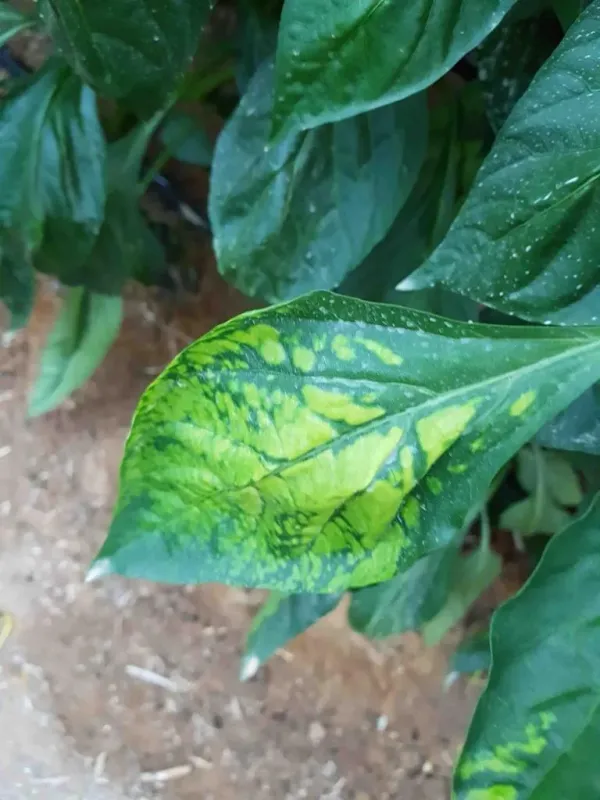
Description
How to identify
The causative agent of the disease is the Alfalfa mosaic virus (AMV), which belongs to the genus Alfamovirus within the family Bromoviridae. This plant pathogenic virus contains a single-stranded RNA genome and appears as bacilliform particles of varying lengths.
The virus has an extremely wide host range, infecting over 600 plant species across dozens of families. It is transmitted mechanically through sap, seeds, and pollen, but the primary vectors are aphids; more than 20 species are capable of transmitting the infection in a non-persistent manner.
In the field, the primary source of infection includes perennial infected plants such as alfalfa, clover, and wild legumes, as well as infected seed material where the virus can persist for long periods.
Pathogen spread occurs primarily during the spring and summer when insect vector activity peaks. Moderate temperatures and high humidity create optimal conditions for virus development and efficient aphid-mediated transmission.
The virus can localize in various parts of the plant, causing systemic infection that disrupts metabolic processes, slows down photosynthesis, and impedes the overall development of the host plant.
What it damages
Alfalfa is the primary crop affected by this pathogen, where the virus causes significant losses in forage yield and seed production. Infection leads to thinning of the stand and reduces the productive lifespan of the fields.
Beyond alfalfa, the virus attacks a broad spectrum of agricultural crops, including tomatoes, potatoes, peppers, leguminous vegetables (peas, beans), and many ornamental plants. In mixed cropping systems, the virus can easily jump between different host species.
Damage manifests as reduced plant vigor, decreased leaf surface area, and distorted shoots. In tomatoes and potatoes, infection leads to a substantial decline in market quality and total harvest volume.
Infection of seed production sites reduces seed germination rates and ensures the transmission of the virus to the next generation of plants. The virus can also impair root system development, making plants more vulnerable to drought and other environmental stresses.
At the agroecosystem level, the virus can trigger outbreaks (epiphytotics) if vector control is neglected and crop rotation cycles are ignored, necessitating an integrated approach to field management.
Signs of infestation
A hallmark sign of infection in alfalfa is a characteristic mosaic pattern on the leaves, appearing as alternating light, yellowish, or bright green patches. The pattern often takes the form of streaks or fine speckles that cover the entire leaf blade.
Some plant varieties may exhibit leaf curling, deformation, and general stunting. Affected plants often appear chlorotic and show slower growth compared to their healthy neighbors.
When infecting legume crops, such as beans, symptoms often include tissue necrosis, accompanied by the dieback of shoot tips and the wilting of specific stem sections.
On potatoes and tomatoes, symptoms can range from mild mosaic to the formation of distinct yellow spots or even necrotic rings on the leaves. Severe infection leads to significant fruit deformation.
It is important to note that symptoms can vary significantly depending on the viral strain, the age of the host plant, and environmental conditions, which sometimes complicates visual diagnosis without laboratory confirmation.
Control measures
The primary method of control is the use of healthy, certified virus-free seed material. Producing seeds in virus-free zones is a crucial step in ensuring healthy crop stands.
Spatial isolation of seed production areas from commercial alfalfa fields and other susceptible crops reduces the risk of vector-borne infection. Controlling weeds around field edges is also vital to reduce potential virus reservoirs.
Managing aphid populations with insecticides during periods of mass colonization is an essential requirement for limiting viral spread. Pesticide applications must be timely and strictly follow current usage regulations.
Agronomic measures include strict adherence to crop rotation, avoiding the replanting of susceptible species on the same ground for at least 3-4 years. Optimal planting times help plants gain sufficient strength before the peak flight of insect vectors.
Breeding and introducing alfalfa mosaic virus-resistant or tolerant cultivars into production is the most reliable and environmentally sustainable strategy for long-term plant protection.
Causes diseases · 4
Discussion
No discussions yet — be the first.