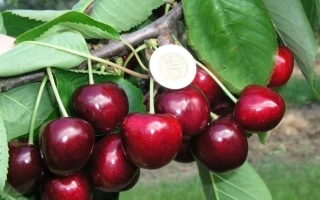
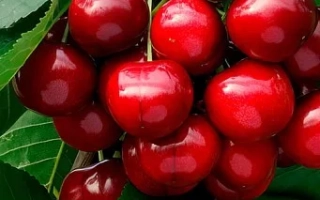
Lubskaya cherry is a late-ripening, high-yielding variety of a low-growing tree, reaching a height of 2-2.5 meters. The tree has an open, sparse canopy, formed by curved branches growing at an angle of about 45 degrees to the trunk. The tree is early-bearing, with the first fruits appearing as early as 2-3 years after planting, and yield increases with age: young plants produce about 10-12 kg of fruit per season, mature ones — up to 25-30 kg. The tree's lifespan is 15-18 years, and with proper care, it can reach 25-30 years.
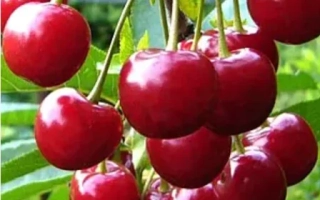
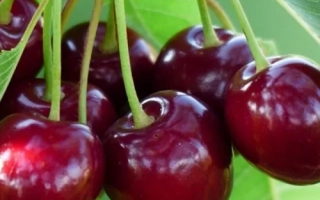
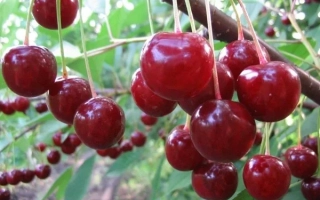
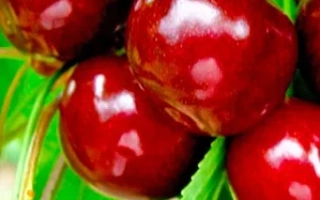
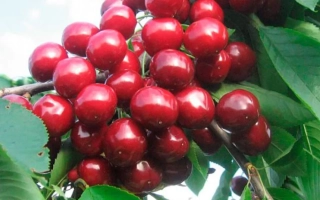
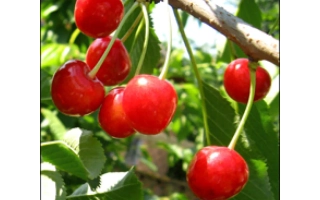
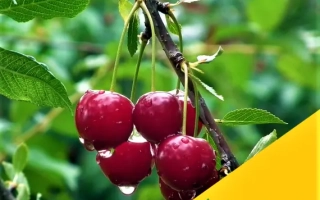
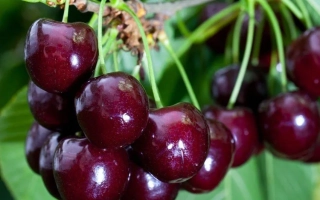
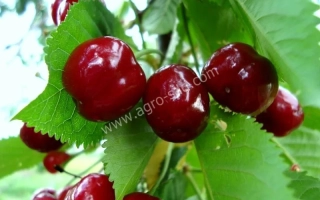
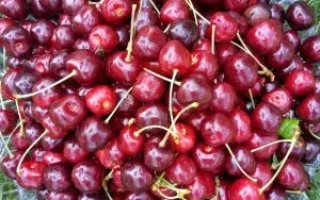
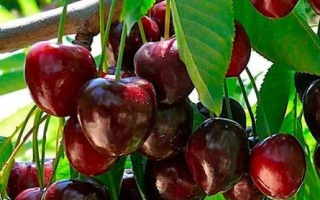
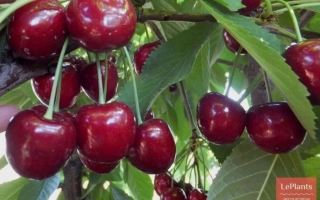
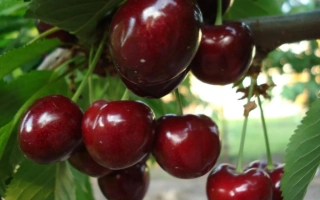
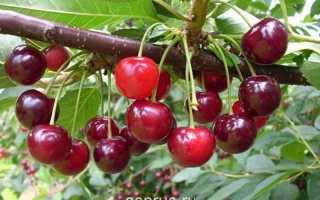
Fruits of the Lubskaya variety are round, weighing about 4-5 grams, with a tough yet thin skin that turns an attractive dark red color with a glossy sheen upon ripening. The flesh is juicy, tender, with a refreshing sweet-sour taste and red juice. The stone is small and easily separates, making up no more than 6-8% of the fruit's weight. Ripening occurs at the end of July to the beginning of August, in southern regions — mid-July. Fruits remain on the tree for a long time without falling off, making harvesting easier without ladders.
The variety is characterized by late flowering and high self-fertility, ensuring good fruit set even under unfavorable weather conditions and reducing the risk of flower damage from frost. Lubskaya cherry is winter-hardy and resistant to cold. For successful cultivation, it is recommended to apply organic and mineral fertilizers at planting, avoiding lime and nitrogen fertilizers in the planting hole. Whitewashing the trunk and scaffold branches is necessary to protect against frost. Fruits are better suited for processing — making jams, compotes, wine, or quick freezing — as they are less suitable for fresh consumption.