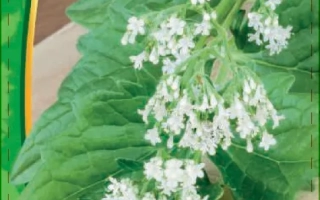
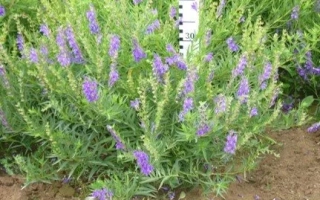
Valerian – a perennial herbaceous plant of the Valerianaceae family, up to 150 cm tall, with a thick rhizome and fibrous roots. The root and rhizomes contain essential oil (valerianoborneol ether, sesquiterpene, borneol), alkaloids (valeerin, hatinin), isovaleric acid, valerid glycoside, saponins, organic acids, and microelements. These substances give the plant a sedative, spasmolytic, cholagogue, and vasodilating effect.
In medical practice, valerian is used as a calming agent that reduces central nervous system excitability, as well as a drug to improve the function of the cardiovascular and gastrointestinal systems. It alleviates insomnia, migraines, neuroses, hypertension, arrhythmia, smooth muscle spasms, flatulence, and constipation. Valerian essential oil has an anticonvulsant effect, while rhizomes enhance the secretion of the gastrointestinal tract glandular apparatus and suppress fermentation processes.
To prepare an infusion, usually 1 tablespoon of crushed root is poured with a glass of boiling water and infused for 10–12 hours. Take 1–2 tablespoons 3–4 times a day in case of increased excitability or 3–4 times a day by 1/3 cup. With prolonged use (more than two months), side effects may occur: headaches, restlessness, gastrointestinal disorders. Valerian is contraindicated in chronic enterocolitis, glomerulonephritis, and hypersensitivity to its components.
In cosmetology, valerian is used thanks to borneol – a substance with anti-inflammatory, antiseptic, and antimicrobial activity. It helps to relieve skin irritation, reduce lupus, prevent hair loss, and premature graying.