


SKU #8518
·
740 views
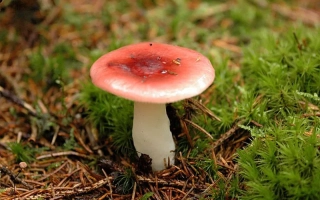
Lemon Oyster Mushroom
Mushrooms
User rating
0 votes0% positive reviews
No ratings yet — be the first.
Household Value
Edible Mushroom
Mushroom Type
Gilled mushrooms
Prices in stores
from55.9 €per 1 kg
pack from 0.56 € per 10 g
5 offers from 5 stores
Store offers · 5 from 5 stores
Prices are updated on loadLoading offers…
Available at: Agroretail · Best Harvest · Kivagro · Plodsad · Дарвін
Aggregator catalog: prices are collected automatically from store websites, normalized by AI and converted at the current exchange rate. Before ordering, confirm the price and availability on the store's website. This block is not indexed by search engines — the data is loaded after the page opens.
About product

An exotic mushroom with a nutty-citrus flavor and a striking golden hue.
Household Value
Edible Mushroom
Mushroom Type
Gilled mushrooms
Description
A Vibrant Addition to Your Fungi Selection
The Golden Oyster mushroom (Pleurotus citrinopileatus) stands out from its grey and white counterparts. This gilled mushroom catches the eye with its intense yellow caps that bloom like exotic flowers during growth. Unlike the standard oyster mushroom, the golden variety is more demanding regarding climate control, but it rewards growers with a unique culinary profile.
Flavor Profile and Gastronomy
In the kitchen, this variety is prized for its subtle nutty flavor and delicate citrus aroma, which shines brightest when flash-fried. It is important to note that prolonged thermal processing or pickling will dull the vibrant yellow pigment and soften the texture. Grilling or lightly sautéing in butter is the superior method, as it preserves the firm, crisp structure of the caps.
Cultivation Insights
- Temperature Control: Development and fruiting require higher temperatures than common species (between +20°C and +28°C), making it a perfect candidate for summer production cycles.
- Light Sensitivity: Unlike most oyster mushroom strains, the golden variety requires exposure to diffused light to develop its signature color and dense fruit body structure.
- Storage Challenges: This is the primary weakness of the variety; the harvested crop is highly perishable. Fast-track logistics are essential, as the mushrooms lose moisture rapidly and are prone to darkening.
This variety is an optimal choice for growers targeting niche markets, fine-dining restaurants, and small-scale operations with immediate access to local buyers.
Video · 5 videos
Suggest a video →Specifications
| Household Value | |
|---|---|
| Mushroom Type | |
| Catalog | Catalog → Mushrooms |
Not yet комментариев. Be the first!





See also
Often considered together with this variety




Recently viewed
Products you’ve viewed on this site
Reviews · 0