


SKU #8516
·
279 views
Autumn Oyster Mushroom
Mushrooms
User rating
0 votes0% positive reviews
No ratings yet — be the first.
Household Value
Edible Mushroom
Mushroom Type
Gilled mushrooms
Prices in stores
from7.75 €per 1 kg
pack from 3.66 € per 100 g
2 offers from 2 stores
Store offers · 2 from 2 stores
Prices are updated on loadLoading offers…
Available at: Agro-market · Prod · Світ Рослин
Aggregator catalog: prices are collected automatically from store websites, normalized by AI and converted at the current exchange rate. Before ordering, confirm the price and availability on the store's website. This block is not indexed by search engines — the data is loaded after the page opens.
About product

Gilled fungus featuring a dense structure, excellent cold tolerance, and high commercial harvest efficiency.
Household Value
Edible Mushroom
Mushroom Type
Gilled mushrooms
Description
Technical Cultivation Profile
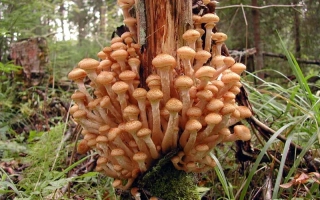
Panellus serotinus, commonly known as the late-fall oyster or late oyster, is a gilled fungus that offers a distinct alternative to standard Pleurotus species. Its biological architecture is optimized for low-temperature environments, making it a valuable candidate for late-season production cycles.
Structural Analysis and Efficiency
- Fruit Body Density: The cap features a dense, leathery tissue structure, resulting in superior shelf life and high durability during commercial handling and transportation.
- Lamellar Configuration: The tightly packed gills are characterized by a high concentration of hyphae, providing a firm, meaty texture that resists breakdown during processing.
- Thermal Adaptation: The species exhibits metabolic efficiency at temperatures between +5°C and +15°C. This thermal tolerance allows for reduced climate control energy input during autumn cycles, optimizing production costs.
From an operational standpoint, maintaining a substrate moisture level of 65–70% is critical for biomass development. The sturdy stipe formation facilitates the development of large clusters, which increases harvest efficiency and ensures minimal disruption to the mycelium network within the substrate block during collection.
Video · 8 videos
Suggest a video →Specifications
| Household Value | |
|---|---|
| Mushroom Type | |
| Catalog | Catalog → Mushrooms |
Not yet комментариев. Be the first!






See also
Often considered together with this variety


Recently viewed
Products you’ve viewed on this site
Reviews · 0