
АЛ
24 March 2024
А где можно приобрести ,споры дождевик гигантского



Mushrooms
Available at: Agro-market · Епіцентр К · Florium · Ogorod
Aggregator catalog: prices are collected automatically from store websites, normalized by AI and converted at the current exchange rate. Before ordering, confirm the price and availability on the store's website. This block is not indexed by search engines — the data is loaded after the page opens.
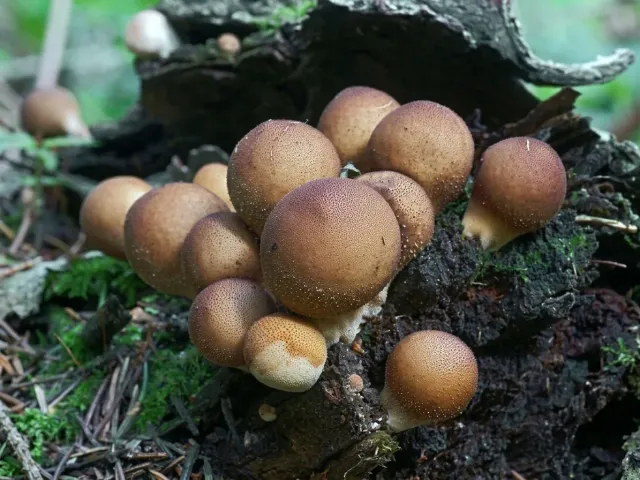
A record-breaking mushroom for weight and ease of preparation.
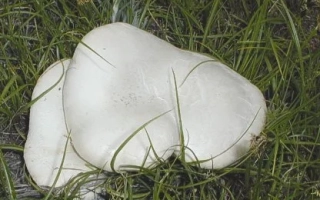
The Giant Puffball (Calvatia gigantea) stands apart from common forest fungi. Unlike traditional gilled mushrooms, this species requires no complex identification. Its main advantage is its colossal biomass: a single specimen can reach 50 centimeters in diameter and weigh several kilograms, making it a champion in terms of edible yield per fruiting body.
Edible only while the flesh is pure white, it offers a delicate texture reminiscent of tofu or firm cheese. It is frequently called a «mushroom steak» due to its density and ability to absorb sauces and seasonings. A crucial difference from most fungi is the lack of a stem; the entire structure is edible.
This variety is ideal for those seeking a fast-growing crop and who are ready for immediate post-harvest processing. It is perfect for culinary experiments, ranging from mushroom patties to sliced portions for the freezer.
| Household Value | |
|---|---|
| Mushroom Type | |
| Catalog | Catalog → Mushrooms |





Often considered together with this variety




Products you’ve viewed on this site
Reviews · 1