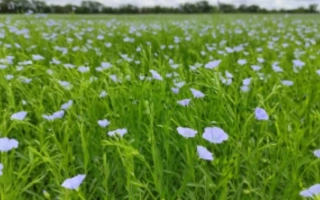
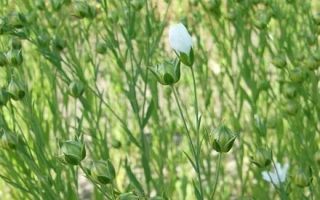
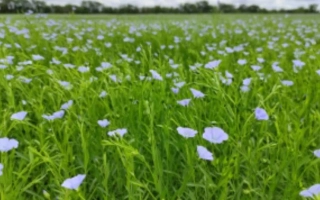
Tver Tza flax is a medium-maturing long-stemmed flax (Linum usitatissimum L. f. elongata) primarily intended for the production of flax fiber. The plant is characterized by a cylindrical stem, leaves, and raceme inflorescence. Seeds are brown in color with a low 1000-seed weight. In the North-West region, the average yield of flax straw reaches 30.3 c/ha, and seeds — 4.1 c/ha. The fiber content in the plant is 27.8%, and the yield of long fiber is 21.4%. The fiber is distinguished by high strength, confirmed by a relative breakage load of 15 g/tex. The flax is resistant to lodging, shattering, and drought, making it a reliable crop for cultivation. Tver Tza flax is widely used in various industries. Fiber from this flax is used for making fabrics, bedding, sack products, and construction materials. The special strength of the fiber allows creating fabrics for both mass consumption and special purposes, as well as ropes and other products. Flax seeds contain oil, which finds application in the food, pharmaceutical, and other industries. Threads are made from the green part of the plant, and after processing flax raw materials, waste remains, used as feed for livestock. Successful cultivation of Tver Tza flax requires certain conditions, including optimal soil moisture, temperature, and sufficient amount of nutrients. In the Tver region and the North-West region, this crop is of great importance for the chemical, textile, and food industries. Organizations engaged in growing and harvesting long-stemmed flax may receive grants, which stimulate production development and contribute to the expansion of the use of this valuable plant.