


SKU #4697
·
295 views
Masheka
Gooseberry
User rating
0 votes0% positive reviews
No ratings yet — be the first.
Usage
Universal
Berry Color
Orange-red
Berry flavor
Sour-sweet
Thorniness of shoots
Average
Prices in stores
from1.26 €per seedling
pack from 1.26 € per pack
4 offers from 4 stores
Store offers · 4 from 4 stores
Prices are updated on loadLoading offers…
Available at: Agro-market · Agrolife · Agroshop · Кліома Сервіс · Kust · Melgor · Semena · Все Росте · Yaskrava Klumba
Aggregator catalog: prices are collected automatically from store websites, normalized by AI and converted at the current exchange rate. Before ordering, confirm the price and availability on the store's website. This block is not indexed by search engines — the data is loaded after the page opens.
About product

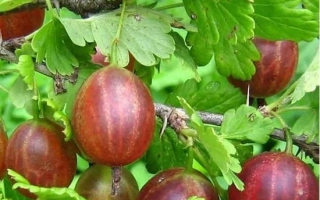
A frost-resistant gooseberry variety with bright orange-red fruit, perfect for both fresh market and processing.
Usage
Universal
Berry Color
Orange-red
Berry flavor
Sour-sweet
Thorniness of shoots
Average
Description
Reliable Yields in Challenging Climates
The Masheka gooseberry is a professional choice for growers focusing on winter hardiness and versatility. Developed for regions with significant temperature fluctuations, this variety exhibits high frost resistance, ensuring stable productivity even after harsh winters. For commercial farms, this translates to predictable annual yields and reduced risk of plantation loss.
Agricultural Management and Processing
Masheka produces orange-red berries weighing 3–4 grams with a classic sweet-and-sour flavor profile, making them highly marketable both for fresh consumption and industrial processing. From an operational standpoint, the variety is straightforward to manage, provided the standard agrotechnical protocols are met.
- Pest and Disease Control: As the variety shows medium resistance to powdery mildew, a preventative fungicide program is essential during the active growing season to ensure fruit quality.
- Pruning and Harvesting: Given the medium thorniness of the shoots, strategic pruning is recommended. This practice not only simplifies the harvest but also improves air circulation within the crown, significantly reducing the risk of fungal infections.
- Versatility: The fruit is ideal for jams, juices, and wine-making, as well as being a staple for the fresh produce market due to its attractive color and balanced taste.
Masheka is designed for farmers who prioritize consistency over complex maintenance. By maintaining proper hydration and adhering to standard plant protection schedules, growers can achieve a high-quality, commercially viable product every season. It is a robust cultivar that balances resilience with high-demand berry characteristics.
Video · 4 videos
Suggest a video →Crop & resistance
Crop
Specifications
| Usage | |
|---|---|
| Berry Color | |
| Berry flavor | |
| Thorniness of shoots | |
| Berry Weight | 3-4 |
| Resistance to Powdery Mildew | |
| Frost Resistance | |
| Catalog | Catalog → Gooseberry |
Not yet комментариев. Be the first!
Alternatives
Gooseberry saplings · similar varieties


See also
Often considered together with this variety






Recently viewed
Products you’ve viewed on this site
Reviews · 0