
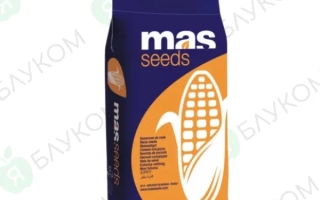

SKU #33816
·
25 views
Maize Marshal
Corn
MONSANTOUser rating
0 votes0% positive reviews
No ratings yet — be the first.
Hybrid Type
Simple Hybrid
Kernel Type
Flint
Use Direction
Grain
Registration year
1998
Prices in stores
from9.2 €per 1 kg
pack from 4.6 € per 500 ml
2 offers from 2 stores
Store offers · 2 from 2 stores
Prices are updated on loadLoading offers…
Available at: AGRAR · Агроексперт-Трейд · Agromagazin
Aggregator catalog: prices are collected automatically from store websites, normalized by AI and converted at the current exchange rate. Before ordering, confirm the price and availability on the store's website. This block is not indexed by search engines — the data is loaded after the page opens.
About product

An optimal choice for producing high-quality grain with excellent storage characteristics.
Hybrid Type
Simple Hybrid
Kernel Type
Flint
Use Direction
Grain
Registration year
1998
Description
Stable Yields in Challenging Conditions
The «Marshal» corn hybrid from Monsanto is a proven solution for farmers focused on producing high-quality grain. Due to its specific genetics, this single-cross hybrid demonstrates excellent adaptability to environmental stressors, making it a predictable tool for long-term crop rotation planning.
Flint Grain: Benefits for Storage and Processing
A key feature of «Marshal» is its flint grain type. For agricultural producers, this translates into several practical advantages:
- Damage Resistance: High grain density makes it less susceptible to stored-grain pests during extended storage periods.
- Processing Quality: Flint corn is in stable demand among processors producing grits and flour, which simplifies market access.
- Efficiency: The dense grain structure ensures a high yield of quality produce after drying, allowing for efficient logistics management.
Practical Application Guidelines
This hybrid is ideal for operations where grain production is the primary objective. «Marshal» performs exceptionally well when optimal planting dates are observed and sufficient mineral nutrition is provided. Because it is a single-cross hybrid, the crop displays high uniformity, which simplifies combine harvesting and reduces threshing losses. Farmers choose this product when they need a crop capable of delivering stable yields even in seasons with moderate precipitation, minimizing risks associated with lodging or ear rot.
Crop & resistance
Crop
Specifications hover over for a hint about the specification
| Hybrid Type | |
|---|---|
|
Kernel Type
Kernel Type
Dent corn (Zea mays indentata) — Large, elongated, flat kernels. The endosperm is horny on the sides of the kernel, mealy in the center and at the top. A depression forms at the top of the kernel upon ripening. Dent corn is the most widely cultivated group among others. Plants ty... |
|
|
Use Direction
Use Direction
Dual-purpose hybrids: for silage and grain in all growing regions. These are "stay-green" type hybrids, meaning the plants remain green for a longer period. However, this does not affect the sugar, cellulose, and hemicellulose content, nor the degree of lignification of the plant... |
|
| Registration year | 1998 |
| Catalog | Catalog → Corn |
| Manufacturer | MONSANTO |
| Country | USA |
Not yet комментариев. Be the first!
Alternatives
Maize seeds · similar varieties





See also
Often considered together with this variety





Recently viewed
Products you’ve viewed on this site
Reviews · 0