


SKU #33324
·
29 views
Maize GOLDENEYE
Corn
MONSANTOUser rating
0 votes0% positive reviews
No ratings yet — be the first.
FAO
90–1240
Ripening
160-180 days
Hybrid Type
Simple Hybrid
Kernel Type
Popcorn
About product

A high-starch, energy-efficient hybrid tailored for bio-fuel production and superior silage quality.
FAO
90–1240
Ripening
160-180 days
Hybrid Type
Simple Hybrid
Kernel Type
Popcorn
Description
Maximizing Bio-Energy: The Goldenay Hybrid Advantage
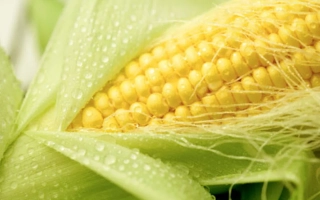
In the landscape of industrial maize production, Monsanto’s "Goldenay" stands out as a highly specialized hybrid tailored for energy efficiency. Unlike conventional grain hybrids, Goldenay belongs to the popping corn (popcorn) type, which confers a superior biochemical profile, specifically a 72% starch content. This makes it an exceptional choice for biomass production and bio-fuel operations where starch accumulation is the primary metric for profitability.
Operational Performance and Management
With a long maturity cycle of 160–180 days and an FAO rating of 90–1240, Goldenay is designed for regions with extended growing seasons. Its long-duration development allows for massive organic matter accumulation, but it also necessitates a disciplined approach to crop protection. Key considerations include:
- Strengths: High starch output and biomass digestibility, strong genetic resistance to common smut, and excellent suitability for anaerobic digestion in bio-gas facilities.
- Weaknesses: Prolonged exposure during the long growing season increases susceptibility to Fusarium and stalk rot, requiring proactive fungicidal management.
For optimal results, planting density should be calibrated to the specific site conditions: 50–55k seeds/ha for lower-input areas or 65–70k seeds/ha in high-fertility environments. Following these density recommendations is crucial to prevent resource competition and ensure the hybrid reaches its full potential.
Is Goldenay right for your farm?
Goldenay is not a hybrid for short-season producers looking for quick turnover. It is engineered for professional operations deeply invested in animal nutrition or renewable energy. By focusing on maximizing the starch-to-fiber ratio, this Monsanto hybrid converts agricultural space into a high-capacity energy refinery, provided that the grower is prepared to manage its specific health requirements throughout its long-term development.
Crop & resistance
Crop
Disease resistance
Specifications hover over for a hint about the specification
|
FAO
FAO
Corn hybrids are classified by maturity groups and by the FAO number. All corn hybrids are distributed according to the FAO scale. Under Central European conditions, a difference of 10 FAO units between hybrids results in a 1-2 day difference in their maturity. The higher the FAO... |
90–1240 |
|---|---|
| Ripening | 160-180 days |
| Hybrid Type | |
|
Kernel Type
Kernel Type
Dent corn (Zea mays indentata) — Large, elongated, flat kernels. The endosperm is horny on the sides of the kernel, mealy in the center and at the top. A depression forms at the top of the kernel upon ripening. Dent corn is the most widely cultivated group among others. Plants ty... |
|
|
Use Direction
Use Direction
Dual-purpose hybrids: for silage and grain in all growing regions. These are "stay-green" type hybrids, meaning the plants remain green for a longer period. However, this does not affect the sugar, cellulose, and hemicellulose content, nor the degree of lignification of the plant... |
|
|
Recommended Density
Recommended Density
Optimal productivity is achieved at a planting density of 4000-5500 plants/ha. Possible planting scheme: 300-500x40-80 cm. |
50-55 thousand pcs/ha, 65-70 thousand pcs/ha |
| Starch content, % | 72 |
| Registration year | 2021 |
| Catalog | Catalog → Corn |
| Manufacturer | MONSANTO |
| Country | USA |
Store offers
Prices are updated on loadLoading offers…
Aggregator catalog: prices are collected automatically from store websites, normalized by AI and converted at the current exchange rate. Before ordering, confirm the price and availability on the store's website. This block is not indexed by search engines — the data is loaded after the page opens.
Not yet комментариев. Be the first!
Alternatives
Maize seeds · similar varieties



See also
Often considered together with this variety






Recently viewed
Products you’ve viewed on this site
Reviews · 0