




SKU #33172
·
23 views
Maize Arrigo
Corn
SaatbauUser rating
0 votes0% positive reviews
No ratings yet — be the first.
FAO
90–1240
Ripening
140-160 days
Hybrid Type
Simple Hybrid
Kernel Type
Dent
About product

A stable, grain-focused Austrian hybrid offering high resistance to Fusarium and excellent moisture dry-down rates.
FAO
90–1240
Ripening
140-160 days
Hybrid Type
Simple Hybrid
Kernel Type
Dent
Description
Productivity Genetics and Crop Resilience
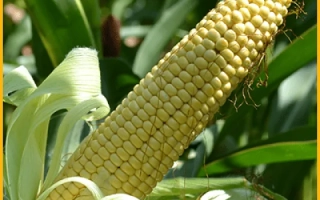
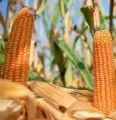
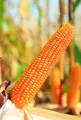
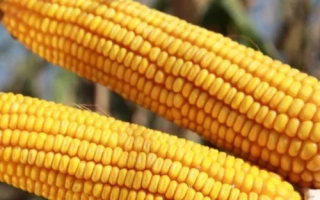
The «Arrigo» corn hybrid, developed by the Austrian breeding company Saatbau, is engineered to maximize grain yield potential under variable climate conditions. As a simple hybrid with dent-type grain, Arrigo provides agronomists with a reliable tool for achieving high grain harvests combined with efficient moisture dry-down during the ripening phase.
Technical Profile and Performance Metrics
- Biological Cycle: The growing period spans 140–160 days, categorizing the hybrid within the FAO 90–1240 range. This cycle length allows the plant to accumulate sufficient biomass and produce well-filled ears.
- Phytosanitary Resistance: A core technical advantage of this hybrid is its robust resistance to Fusarium. This is achieved through specific ear husk structure and built-in genetic immunity, which is critical in regions prone to fungal infections during the grain-filling stage.
- Planting Density: Arrigo displays high phenotypic plasticity depending on moisture availability. Recommended seeding rates range from 45,000–50,000 plants per hectare in extensive or dry environments, up to 70,000–75,000 plants per hectare under intensive management and sufficient moisture.
The dent grain structure ensures excellent threshing capabilities and minimal mechanical damage during harvesting, preserving the commercial quality of the crop. Arrigo is exclusively oriented toward grain production, where every kilogram of dry matter counts. The Austrian breeding legacy of Saatbau Linz eGen is evident in the hybrid’s uniform growth habits and lodging resistance, which facilitates efficient harvesting and minimizes field losses. For producers focusing on consistent grain performance, this Saatbau hybrid offers a high-precision solution.
Crop & resistance
Crop
Disease resistance
Specifications hover over for a hint about the specification
|
FAO
FAO
Corn hybrids are classified by maturity groups and by the FAO number. All corn hybrids are distributed according to the FAO scale. Under Central European conditions, a difference of 10 FAO units between hybrids results in a 1-2 day difference in their maturity. The higher the FAO... |
90–1240 |
|---|---|
| Ripening | 140-160 days |
| Hybrid Type | |
|
Kernel Type
Kernel Type
Dent corn (Zea mays indentata) — Large, elongated, flat kernels. The endosperm is horny on the sides of the kernel, mealy in the center and at the top. A depression forms at the top of the kernel upon ripening. Dent corn is the most widely cultivated group among others. Plants ty... |
|
|
Use Direction
Use Direction
Dual-purpose hybrids: for silage and grain in all growing regions. These are "stay-green" type hybrids, meaning the plants remain green for a longer period. However, this does not affect the sugar, cellulose, and hemicellulose content, nor the degree of lignification of the plant... |
|
|
Recommended Density
Recommended Density
Optimal productivity is achieved at a planting density of 4000-5500 plants/ha. Possible planting scheme: 300-500x40-80 cm. |
45-50 thousand pcs/ha, 70-75 thousand pcs/ha |
| Registration year | 2010 |
| Catalog | Catalog → Corn |
| Manufacturer | Saatbau |
| Legal data |
Show · 2
|
| Country | Austria |
Store offers
Prices are updated on loadLoading offers…
Aggregator catalog: prices are collected automatically from store websites, normalized by AI and converted at the current exchange rate. Before ordering, confirm the price and availability on the store's website. This block is not indexed by search engines — the data is loaded after the page opens.
Not yet комментариев. Be the first!
Alternatives
Maize seeds · similar varieties




See also
Often considered together with this variety




Recently viewed
Products you’ve viewed on this site
Reviews · 0